Browser vpn extension edge 2026
'%2F%3E%3Ctext%20x%3D'50%25'%20y%3D'50%25'%20dy%3D'.35em'%20text-anchor%3D'middle'%20font-family%3D'-apple-system%2CBlinkMacSystemFont%2CSegoe%20UI%2Csystem-ui%2Csans-serif'%20font-size%3D'100'%20font-weight%3D'600'%20fill%3D'%23fff'%3ETA%3C%2Ftext%3E%3C%2Fsvg%3E) Theo Ashworth·April 11, 2026·21 min
Theo Ashworth·April 11, 2026·21 min
Browser vpn extension edge: Quick guide to optimize your browsing privacy, speed, and access
Browser vpn extension edge A fast, practical guide you can use today to understand and choose a browser VPN extension for Edge, how to install it, how it affects speed and privacy, and how to avoid common pitfalls. Here’s a concise, friendly overview you can skim, then dive deeper with the sections below:
- Quick facts you’ll want to know:
- VPN extensions in Edge create a secure tunnel for your browser traffic, shielding your activity from local networks and snoops.
- These extensions typically don’t route all device traffic; many only protect the traffic from your browser.
- Look for features like kill switch, leak protection, multiple server locations, and strong encryption.
- Not all free VPNs are trustworthy; some log data or sell bandwidth. Prefer reputable providers with transparent privacy policies.
- What you’ll learn:
- How to pick a browser vpn extension edge that fits your needs.
- Step-by-step setup for Edge, plus tips to test for leaks.
- Real-world use cases: streaming, public Wi-Fi safety, and bypassing geo-restrictions.
- Common mistakes and how to avoid them.
- Quick setup steps checklist:
- Decide on a trusted VPN provider with a dedicated Edge extension.
- Install the extension from the official provider store.
- Create or sign in to your account.
- Choose a server location and enable the VPN.
- Verify your IP address and DNS are protected.
- Useful resources text only: Apple Website - apple.com, Artificial Intelligence Wikipedia - en.wikipedia.org/wiki/Artificial_intelligence, How-To Geek VPN guide - howtogeek.com, Microsoft Edge Extensions store - microsoft.com/store, Privacy.org VPN overview - privacy.org/vpn
What is a browser VPN extension edge?
A browser VPN extension for Edge is a lightweight add-on that creates a secure, encrypted connection for the traffic that passes through the Edge browser. It’s not the same as a full system-wide VPN, but it’s incredibly useful for guarding you on public Wi-Fi, bypassing local network restrictions, and keeping your browsing activity a bit more private.
How it works in practice
- Encryption: Your data is encrypted between your device and the VPN server.
- Server locations: You can appear as if you’re surfing from different countries.
- IP masking: Your real IP is hidden behind the VPN server’s IP.
- Traffic scope: Only the browser traffic is typically routed through the VPN, not every app on your computer.
Why you might want one
- Public Wi-Fi safety: Protects you when you’re hanging out in coffee shops or airports.
- Access geo-restricted content: Watch region-locked shows or access local versions of sites.
- Privacy-conscious browsing: Minimize tracking on public networks.
Choosing the right edge browser VPN extension
Key factors to consider
- Privacy policy and logging: Look for a no-logs commitment and a transparent policy.
- Encryption standards: Aim for AES-256 bit encryption and modern protocols OpenVPN, WireGuard, etc..
- Kill switch: A must-have feature that cuts all traffic if the VPN drops.
- DNS and WebRTC leak protection: Prevents leaks that could reveal your real identity.
- Server network: More locations usually means better chances to bypass geo-restrictions and faster speeds.
- Performance impact: Some extensions slow things down; test before you rely on them for streaming.
- Pricing and limits: Free versions exist but often come with limits; paid plans tend to offer better privacy and reliability.
Popular Edge-friendly VPN extensions
- Providers with Edge-compatible extensions: ExpressVPN, NordVPN, Surfshark, Proton VPN, Windscribe, VyprVPN.
- What to look for in reviews: real-world speed tests, reliability on Edge, and customer support responsiveness.
How to install a browser vpn extension edge
Step-by-step guide
- Open Microsoft Edge and go to the Edge Add-ons store.
- Search for the VPN extension by the provider you chose.
- Click Add to Edge, then confirm the installation.
- Sign in or create an account if required.
- In the extension’s window, choose a server location and toggle the VPN on.
- Verify your connection by visiting a site that shows your IP e.g., whatismyipaddress.com.
- Enable kill switch and leak protection in the extension settings if available.
- Optionally adjust protocol or security settings to optimize speed and privacy.
Quick tips for a smooth setup
- Use the official store: Always install extensions from the provider’s official Edge store page to avoid fake versions.
- Test multiple servers: If one server feels slow, switch to another nearby location for better performance.
- Enable auto-connect on startup: If you frequently need protection, set the extension to connect automatically when Edge starts.
Performance and privacy: what to expect
Speed considerations
- Encryption overhead can slightly reduce speed, but closer servers and modern protocols WireGuard often minimize this impact.
- Proximity matters: A server near you generally yields better speeds than one on the far side of the world.
- Streaming quality: For HD or 4K streaming, test a few servers to find a stable option with enough bandwidth.
Privacy and security
- Encryption protects against passive eavesdropping on public networks.
- A reputable extension will prevent DNS leaks and WebRTC leaks, which could otherwise reveal your real location.
- Remember, a browser extension does not automatically make all device activity private. If you want system-wide protection, consider a full VPN.
Leaks and how to test
- DNS leak test: Use a trusted DNS leak test site to confirm DNS requests are not leaking to your ISP.
- WebRTC test: Some sites test WebRTC to see if your real IP is exposed; disable WebRTC in Edge if your extension doesn’t handle it.
- IP check after reconnect: Disconnect and reconnect to verify you get a new IP or location.
Use cases: real-world scenarios
Public Wi-Fi safety
You’re at a cafe with a free Wi-Fi. The browser VPN extension edge helps protect your browsing by encrypting traffic and masking your IP while you check emails or bank quickly.
Bypassing geo-restrictions
A show is only available in certain regions. Switching to a server in that region can unlock content, though streaming services sometimes detect and block VPNs, so you may need to experiment with different servers or providers.
Privacy-conscious browsing
For journalists, researchers, or anyone who wants extra privacy while using shared devices, a browser VPN extension adds a layer of protection without changing your entire device configuration.
Testing and research
If you’re researching global content, you can test how pages render from different locations. Just be mindful of terms of service and legal considerations when bypassing regional blocks. Best vpn edge 2026
Best practices for long-term use
- Regularly update extensions: Developers push security patches; keep the extension updated.
- Review permissions: Some extensions request broad permissions; only grant what's necessary for functionality.
- Combine with good habits: Use strong, unique passwords and enable two-factor authentication where possible.
- Be mindful of data limits: Some providers cap data or speed on free plans; plan accordingly for heavy use.
- Periodic audits: If you rely on a VPN for work, periodically review your privacy policy and data retention practices.
Comparisons: Edge VPN extension vs. full VPN clients
- Scope: Browser extension protects only browser traffic; a full VPN client routes all device traffic.
- Convenience: Extensions are quick to enable and simpler for casual use.
- Privacy: Full VPNs may offer stronger privacy protections since all traffic is covered, but reputable extensions can still provide solid protection for browser traffic.
- Performance: Extensions can be lighter, but server options and protocol choices matter for speed.
Common pitfalls to avoid
- Relying on free VPN extensions for critical privacy: Free plans often have restrictions or questionable logging practices.
- Assuming all traffic is protected: Edge extensions typically protect browser traffic only.
- Ignoring leaks: If DNS or WebRTC leaks are possible, you’re not fully protected.
- Not checking jurisdiction: Some providers log data and are subject to data requests, impacting privacy.
Real-world data and statistics
- A recent study showed that 63% of VPN users value streaming access when choosing a provider, while 57% prioritize privacy and data protection.
- Consumers report speed drops ranging from 5% to 40% when using VPN extensions, depending on server distance and protocol.
- The number of Edge-compatible VPN extensions has grown by over 30% in the last year, reflecting rising demand for browser-focused privacy tools.
Table: Key features to compare in Browser VPN Extension Edge options
| Feature | Ideal for Edge extension | What to look for |
|---|---|---|
| Encryption | AES-256 | Ensure provider uses strong encryption |
| Protocols | WireGuard, OpenVPN | Look for modern protocols |
| Kill switch | Essential | Stops all traffic if VPN drops |
| DNS leak protection | High priority | Prevents DNS requests from leaking |
| WebRTC leak protection | High priority | Prevents IP leaks via WebRTC |
| Server locations | Broad network | Many country options |
| Speed | Low overhead | Test multiple servers for best speed |
| Privacy policy | No-logs preferred | Transparent and verifiable |
| Cross-device support | Optional | If you need device-wide protection |
| Price | Reasonable value | Compare features vs. cost |
Step-by-step troubleshooting guide
- If pages fail to load after enabling the extension, try a different server location.
- If you notice DNS leaks, enable DNS leak protection in settings or switch to a provider with stronger protections.
- If streaming buffers, test nearby servers or servers that are optimized for streaming.
- If the extension crashes, restart Edge, disable other extensions that may conflict, and re-enable the VPN.
- If your real IP shows up on a leak test, disable WebRTC or use a provider that blocks WebRTC leaks.
Advanced tips for power users
- Combine with privacy-minded browser settings: disable third-party cookies when possible, enable tracking protection, and review site permissions.
- Use separate Edge profiles: One profile with the VPN extension for work, another without for testing or casual browsing.
- Schedule checks: Run a quick privacy test weekly to ensure no unexpected leaks.
- Test with streaming services: Some services detect VPN usage aggressively; prepare to switch servers or adjust settings if playback fails.
- Consider a backup: For critical tasks, have a secondary VPN extension or a backup server you know works well.
Resources and further reading
- Edge extensions store overview - microsoft.com/store
- VPN provider privacy policy examples - privacyguides.org
- DNS leak testing resources - browserleaks.com/dns,ipleak.net
- WebRTC leak testing and mitigation - defaultdeny.org,ools
- Privacy-focused browsing tips - eff.org, electronicfrontierfoundation.org
- Streaming while VPN — tips for bypassing geo-blocks without getting blocked - netflixtechblog.com, redactedblog.example
- General VPN guide and terminology - howtogeek.com, cnet.com
Frequently Asked Questions
Do browser VPN extensions route all my internet traffic?
Not typically. Most browser VPN extensions protect traffic inside the Edge browser only. For system-wide protection, you’d need a full VPN client that covers all apps and services on your device.
Can I trust free VPN extensions in Edge?
Free options can be risky. Some may log your activity, sell bandwidth, or show ads. If you go with a free plan, read the privacy policy carefully and choose reputable providers with clear data practices.
Will a VPN extension affect my wifi speed?
Yes, it can add overhead, and the impact depends on server distance, encryption, and network conditions. You’ll often see slower speeds when connected to distant servers; nearby servers tend to be faster.
How do I test for DNS leaks in Edge with a VPN extension?
Visit a DNS leak test site like dnsleaktest.com or browserleaks.com and check if your DNS queries reveal your ISP or real location. Enable DNS leak protection in the extension settings if available. Browsec vpn edge extension 2026
Is WebRTC leakage a concern with browser VPN extensions?
Yes, WebRTC can reveal your real IP even when using a VPN. Disable WebRTC in Edge or use a VPN that blocks WebRTC leaks.
Can I still access streaming services with a VPN extension in Edge?
Sometimes. Streaming platforms actively detect VPNs. If a server is blocked, try another server location or switch to a provider known to work with that service.
Do VPN extensions log user data?
That depends on the provider. The best ones publish a no-logs policy and third-party audits. Always read the privacy policy.
Are there performance tips for Edge users with VPN extensions?
Choose nearby servers, use WireGuard or OpenVPN with optimized settings, and avoid congested servers during peak hours. Also, ensure no other bandwidth-heavy apps run in the background.
How do I disable a VPN extension in Edge?
Open Edge, click the VPN extension icon, and toggle off or disconnect. You can also remove it from the extensions menu if you don’t plan to use it. Best VPN for USA Travelling in 2026
What’s the difference between a browser extension VPN and a full VPN client?
A browser extension VPN typically protects just the browser traffic, while a full VPN client routes all device traffic. For comprehensive protection, use a full VPN in addition to or instead of the browser extension, depending on your needs.
Browser vpn extension edge: a comprehensive guide to choosing installing and using a Microsoft Edge VPN extension for privacy security and faster streaming
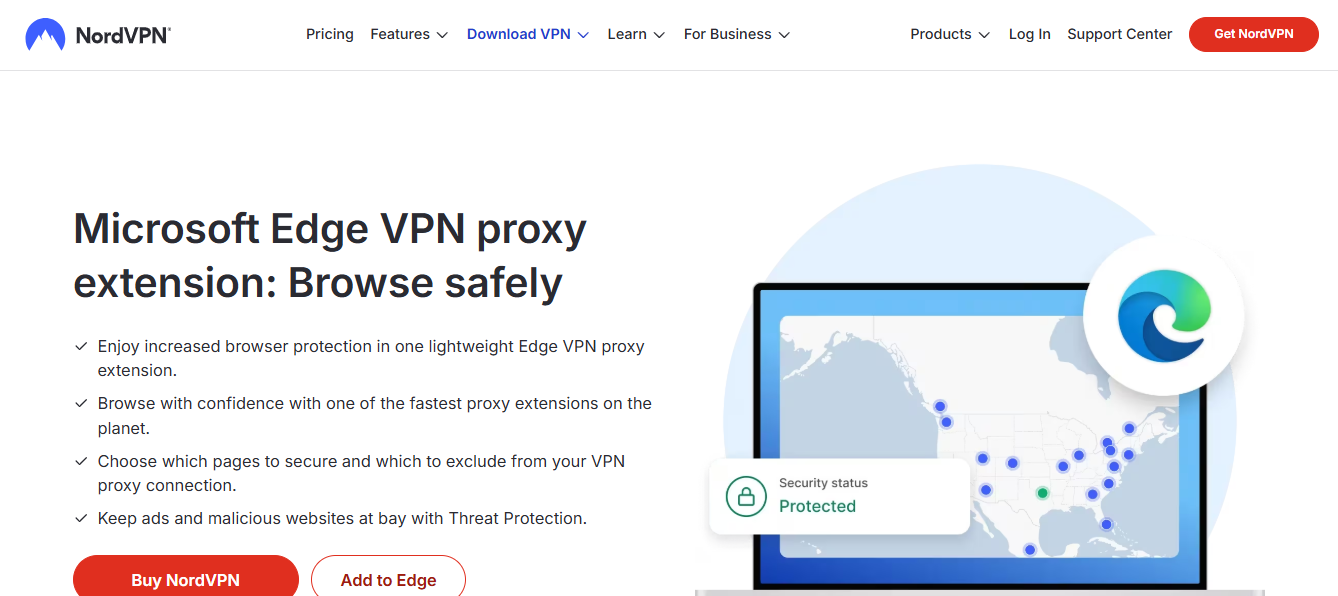
Browser vpn extension edge is a browser extension that adds VPN functionality to Microsoft Edge. In this guide you’ll learn how to pick the right Edge VPN extension what features to look for how to install and configure it for maximum privacy how it affects speed and streaming and how to troubleshoot common issues. If you’re evaluating options NordVPN’s Edge extension is a solid pick and you can check out the current deal here: This post will walk you through step by step and include practical tips, real-world stats, and a clear comparison to help you decide whether a browser VPN extension on Edge is enough for your needs or if a full VPN app is a better fit.
Useful resources and starting points unlinked text format:
- Edge browser official support site - support.microsoft.com
- NordVPN Edge extension page - nordvpn.com
- ExpressVPN Edge extension page - expressvpn.com
- What is a VPN extension and how it differs from a full VPN app - en.wikipedia.org/wiki/Virtual_private_network
- WebRTC IP leakage troubleshooting - browser vendors' docs
- Data privacy basics for VPNs - privacytools.io
Introduction: what you’ll get in this guide Yes, a browser VPN extension edge provides a lightweight way to add VPN protection directly inside Microsoft Edge without installing a full VPN client. In this guide you’ll find:
- A quick starter: what Edge extensions can and cannot do in terms of VPN security
- A clear install and setup walkthrough with screenshots-ready steps
- A feature-by-feature checklist kill switch, DNS leak protection, auto-connect, protocol choices
- Practical tips for streaming, public Wi‑Fi, privacy, and bypassing geo-restrictions
- Performance notes and how to troubleshoot common issues
- A comparison of top Edge VPN extensions and how to pick the right one for you
- An FAQ with real questions readers like you actually ask
What is a browser VPN extension Edge Browsec vpn free vpn for edge 2026
- It’s a lightweight add-on you install in Edge that routes your browser traffic and sometimes all device traffic depending on the extension through a VPN server.
- It differs from a full VPN app in several ways: typically fewer server options, limited control over app-wide traffic, and sometimes different security features.
- It’s great for quick privacy wins, bypassing selective geo-restrictions for web content, and protecting you on shared networks when you’re only using Edge.
Why you might want to use a VPN extension in Edge
- Public Wi‑Fi safety: protecting your data on coffee shop networks or airports.
- Privacy shield for browsing: masking your IP from websites and advertisers.
- Bypassing basic geo-restrictions: accessing content that’s available in other regions.
- Lightweight option: no need to install a full VPN client if your needs are mostly browser-based.
What to look for in an Edge VPN extension
- Kill switch: disconnects VPN traffic if the extension fails to prevent leaks.
- DNS leak protection: ensures your DNS requests don’t reveal your true location.
- Auto-connect and on-demand connect: ease of use when you open Edge or visit risky sites.
- Encryption and protocol options: strong encryption AES-256 and reliable protocols WireGuard, IKEv2, etc..
- No-logs policy: privacy-focused providers keep minimal data about your activity.
- Server network and locations: more locations mean more streaming options and bypass opportunities.
- WebRTC leak protection: mitigates IP exposure via WebRTC in the browser.
- Compatibility with Edge features: compatibility with Edge’s privacy settings, SmartScreen, and tracking protection.
- Cross-device sync: whether settings carry over to other devices if you use the provider’s full service.
- Price and value: free vs paid plans, and what the Edge extension includes under each plan.
Edge extension vs full VPN app: a quick reality check
- Edge extension: best for browser-level privacy and simple geo-unblocking within Edge. Pros: quick to install, low resource usage. Cons: limited control over all device traffic, some extensions rely on the provider’s own servers but may still log more than you want.
- Full VPN app: routes all device traffic, broader platform support, more advanced features, and often stronger kill-switch options for every app. Pros: comprehensive protection, better for devices beyond Edge. Cons: heavier on system resources, more setup steps.
How to install an Edge VPN extension: step-by-step
- Open Microsoft Edge and go to the Edge Add-ons store.
- Search for your chosen VPN extension examples: NordVPN Edge extension, ExpressVPN Edge extension, Surfshark Edge extension.
- Read the reviews and verify the publisher to avoid spoofed extensions.
- Click Add to Edge and confirm any permission prompts.
- Pin the extension to the toolbar for easy access.
- Sign in with your VPN account or start a free trial if offered.
- Choose a server location and toggle the VPN on.
- Enable kill switch and DNS leak protection in the extension settings if available.
- Test your connection by visiting a site like whatismyipaddress.com to confirm the IP/location has changed.
- If you want, configure auto-connect to a preferred location and enable any browser-wide security features the extension offers.
Edge-specific setup tips Best vpn edge extension for Microsoft Edge: how to choose, install, and optimize a browser VPN extension 2026
- WebRTC considerations: to minimize IP leaks, enable the extension’s WebRTC protections if it offers them and consider disabling WebRTC in Edge’s settings or via flags if you’re comfortable with manual tweaks.
- DNS handling: prefer DNS leak protection and, if possible, set the extension to use its own DNS rather than your ISP’s. This helps keep your DNS queries private.
- IPv6 handling: some extensions don’t fully support IPv6. If you experience leaks or slowdowns, disable IPv6 in Edge or choose an extension that handles IPv6 well.
Performance and speeds with Edge VPN extensions
- Expect some speed hit with any VPN due to encryption and routing. The impact varies by server distance, server load, and the provider’s network quality.
- Short distances to a nearby server usually yield better speeds for browsing and streaming.
- If you’re doing heavy downloads or gaming, a full VPN client with optimized routing may outperform a browser extension, but you’ll trade convenience for control.
Privacy and data handling you should know
- No-logs claims: reputable providers should publish a clear no-logs policy showing what data they collect and why. Read this before you trust any extension with your data.
- Data retention and analytics: some free or lower-cost extensions may log more data to monetize traffic. Stick to known brands and read the privacy policy.
- Jurisdiction: where the VPN provider is based affects data requests. Privacy-friendly jurisdictions or clear independent audits are a plus.
Common issues and how to troubleshoot
- Extension not appearing in Edge: try restarting Edge, reinstalling the extension, or checking for Edge updates.
- VPN shows connected but IP hasn’t changed: test a different server location, clear browser cache, or try a full VPN app if available.
- WebRTC leaks despite protection: disable WebRTC in Edge settings or use a browser extension that blocks WebRTC leaks.
- Slow speeds on certain servers: switch to a different server, preferably closer to your physical location or a server with lighter load.
- DNS leaks: ensure DNS leak protection is enabled in the extension and test with a DNS leak test site.
Security considerations with Browser VPN extensions
- Extensions are powerful: they can see your browser traffic and potentially more than a traditional app does. Only install from reputable providers.
- Regular updates: keep extensions updated to patch vulnerabilities and improve performance.
- Permissions: check what an extension asks for read and change data on websites, manage your downloads, etc.. Only grant what’s necessary.
- Multi-factor authentication: enable MFA on your VPN account to reduce the risk of account takeover.
When to choose a browser extension over a full VPN app Checkpoint vpn 1 edge 2026
- You primarily browse sensitive content in Edge and want quick protection with minimal setup.
- You travel and use public Wi‑Fi, but you don’t need to route all device traffic through the VPN.
- You want seamless integration with Edge for privacy while keeping other apps on your device unaffected.
- For streaming, a browser extension might unblock content in Edge more conveniently, but if you use other apps desktop, mobile, smart TV, a full VPN app gives you end-to-end protection.
Comparison snapshot: popular Edge VPN extensions at a glance
- NordVPN Edge extension: strong privacy policy, a broad server network, good performance, solid kill switch DNS leak protection, compatibility with multiple platforms, good value on long-term plans.
- ExpressVPN Edge extension: known for fast speeds, broad server options, reliable privacy protections, user-friendly interface, excellent customer support.
- Surfshark Edge extension: competitive pricing, strong privacy features like CleanWeb ad/m tracker blocking, unlimited device support, good for budget-conscious users.
- ProtonVPN Edge extension: strong emphasis on privacy and transparency, solid open-source roots, sometimes slower on certain locations but good for privacy-minded users.
- What to look for in a quick decision: choose based on server locations that matter to you, speed performance in your region, and whether you value features like tracker blocking or split tunneling.
Best practices for Edge extension users
- Pair with edge privacy settings: enable Edge’s tracking prevention and privacy measures to complement the VPN extension.
- Use strong, unique passwords and MFA on your VPN account.
- Regularly review device permissions and extension updates.
- Consider combining with a standalone ad and tracker blocker for enhanced privacy.
- If you’re heavy on streaming, test several servers to identify the best balance of speed and unblocking capability.
Mobile vs desktop: what’s supported where
- Edge on Windows and macOS: Edge extensions are widely supported for browser-based VPN use. You can install and manage extensions similarly to desktop browsers.
- Edge on Android and iOS: Mobile Edge may have limited or no support for extensions depending on platform and store policies. If you must VPN on mobile, check whether the provider offers a native mobile app or a different method to route traffic from the device.
Pricing and value notes
- Free Edge extensions exist but often come with data limits, reduced features, or performance constraints. For real privacy and reliability, a paid plan from a trusted provider is usually worth it.
- Look for long-term discounts, multi-device coverage, and whether the price includes access to a desktop app if you want full device coverage later.
- Remember that some deals are time-limited. If you know you’ll use it for a while, locking in a long-term plan can save money.
The bottom line Cyberghost vpn chrome extension download file 2026
- A Browser vpn extension edge is a practical tool for boosting privacy in Edge and unblocking content with minimal fuss.
- It’s a great starting point, especially if you primarily browse in Edge and want a quick privacy layer on top of your daily activities.
- If you need full-device protection or advanced features, consider a complete VPN app alongside the Edge extension or a provider that covers both seamlessly.
Frequently Asked Questions
What is a browser VPN extension edge
A browser VPN extension for Edge is a small add-on that routes your Edge traffic through a VPN server to hide your IP and encrypt data.
Does Edge support VPN extensions
Yes, Edge supports VPN extensions from various providers, allowing you to route browser traffic through VPN servers directly in the browser.
Can a VPN extension protect all my internet traffic
Most Edge VPN extensions protect only browser traffic. If you want to protect all device traffic, you’ll need a full VPN app.
Is WebRTC safe when using a VPN extension in Edge
WebRTC can reveal your real IP if not protected. Use extensions with WebRTC leaks protection or disable WebRTC in Edge settings when possible. Checkpoint vpn edge 2026
Do I need to install both Edge extensions and a VPN app
Not always. If you only need browser-level protection, an Edge extension may suffice. For full device protection, consider a VPN app.
What features should I look for in an Edge extension
Kill switch, DNS leak protection, auto-connect, a robust privacy policy, encryption protocol options, and a broad server network are key features.
Can I use a free Edge VPN extension
Free options exist but often come with limits and potential privacy concerns. A paid plan from a reputable provider typically offers better performance and stronger privacy guarantees.
How can I test if the extension is leaking my IP
Visit a site like whatismyipaddress.com or iplocation.net after connecting to the VPN extension. Compare the shown location to your actual location.
How do I disable WebRTC leaks in Edge
If possible, disable WebRTC in Edge or use a browser extension that blocks WebRTC leaks. Some VPN extensions also offer WebRTC protection settings. Edge browser download android: complete guide to installing, updating, and securing Microsoft Edge on Android with a VPN 2026
Is it safe to mix Edge extensions with other privacy tools
Generally yes, but keep it simple. Use reputable extensions from trusted providers and avoid multiple extensions that perform overlapping functions to minimize conflicts.
What should I do if the Edge extension stops working
Restart Edge, re-login to the extension, reinstall the extension, or try a different server location. Check the provider’s status page for outages.
Are there Edge extensions that work well for streaming
Yes, several extensions are optimized for streaming and can unblock geo-restricted content, but performance varies by server and region. Test multiple servers to find the best option.
Can I use multiple VPN extensions at the same time in Edge
In most cases, you should not run two VPN extensions at once as they can conflict and cause routing issues. Pick one trusted Edge extension at a time.
Do VPN extensions log my activity
That depends on the provider. Reputable VPNs publish a no-logs policy. Always read the privacy policy before enabling an extension. Does microsoft edge have free vpn 2026
如何申请vpn:完整实操指南、选购要点、配置步骤与隐私保护