Edge secure network vpn free 2026
'%2F%3E%3Ctext%20x%3D'50%25'%20y%3D'50%25'%20dy%3D'.35em'%20text-anchor%3D'middle'%20font-family%3D'-apple-system%2CBlinkMacSystemFont%2CSegoe%20UI%2Csystem-ui%2Csans-serif'%20font-size%3D'100'%20font-weight%3D'600'%20fill%3D'%23fff'%3EOD%3C%2Ftext%3E%3C%2Fsvg%3E) Olivia Donovan·April 11, 2026·20 min
Olivia Donovan·April 11, 2026·20 min
Edge Secure Network VPN Free: Edge Secure Network VPN Free, plus related keywords, tips, and comparisons for a smarter, safer online experience.
Edge secure network vpn free Quick fact: VPNs help mask your IP, encrypt traffic, and keep data private on public networks. In this guide, you’ll get a practical, user-friendly overview of Edge secure network vpn free, plus actionable steps, real-world tips, and trustworthy alternatives.
- What a VPN does for you: privacy, security, and access to geo-restricted content
- How to choose a free VPN without compromising your data
- Common pitfalls of free VPNs and how to avoid them
- Steps to set up Edge secure network vpn free on different devices
- Quick comparisons with paid VPNs and top-tier free services
Useful URLs and Resources text only Edge secure network vpn free - edgevpn.example VPN basics - vpnmentor.com Best free VPNs 2026 - techradar.com Privacy tips for beginners - privacyinternational.org Chrome extension VPNs - blog.avast.com Mobile security guide - nist.gov Understanding encryption - en.wikipedia.org/wiki/Encryption Data privacy laws overview - stlcourts.gov Digital safety for students - safeteens.org How to test VPN leaks - proprivacy.com
Section 1: What Edge Secure Network VPN Free Is And Isn’t
- What it does: a tool that routes your internet traffic through a remote server, masking your real IP and encrypting data.
- What it isn’t: a magic bullet. It won’t turn slow networks into lightning-fast highways, and free options often have limitations.
- Common formats you’ll see:
- Free desktop apps with a simple one-click connect
- Browser extensions for quick VPN-like protection
- Mobile apps for iOS and Android
Section 2: How Free VPNs Compare to Paid VPNs
- Privacy policy differences: many free VPNs log data or show ads.
- Bandwidth and speed: free tiers often cap data or throttle speeds.
- Server availability: fewer servers means higher crowds and slower connections.
- Security features: paid VPNs usually offer stronger encryption, kill switch, and leak protection.
- Practical takeaway: for casual browsing on public Wi-Fi, a reputable free option may work; for streaming, gaming, or sensitive work, consider a paid plan or a trusted premium free trial.
Section 3: How to Choose a Free VPN You Can Trust
- Check the logging policy: zero-logs is ideal, but read carefully—look for data minimization and clear retention timelines.
- Look for audited encryption standards: AES-256, TLS, and secure protocols like OpenVPN or WireGuard.
- Privacy-respecting business model: ad-free experiences, non-sell of data, transparent ownership.
- No-logs claims vs. real-world testing: search for independent test reports and third-party audits.
- Data limits: know your monthly cap and whether it resets.
- Kill switch and DNS leak protection: essential for real privacy.
- Customer support quality: responsive help desks matter if you run into issues.
Section 4: How to Set Up Edge Secure Network VPN Free
- Desktop setup Windows/macOS:
- Download the Edge Secure Network VPN Free app from the official store.
- Install and launch the app; grant required permissions.
- Choose a server location based on your needs privacy vs. speed vs. geo-access.
- Enable the kill switch if available and DNS leak protection.
- Connect and verify your IP shows your chosen region, not your actual location.
- Mobile setup iOS/Android:
- Install from the app store.
- Open, sign in if required, and grant permissions.
- Select a server and toggle the VPN on.
- Use a leak test tool to ensure your traffic is routed properly.
- Browser extension setup:
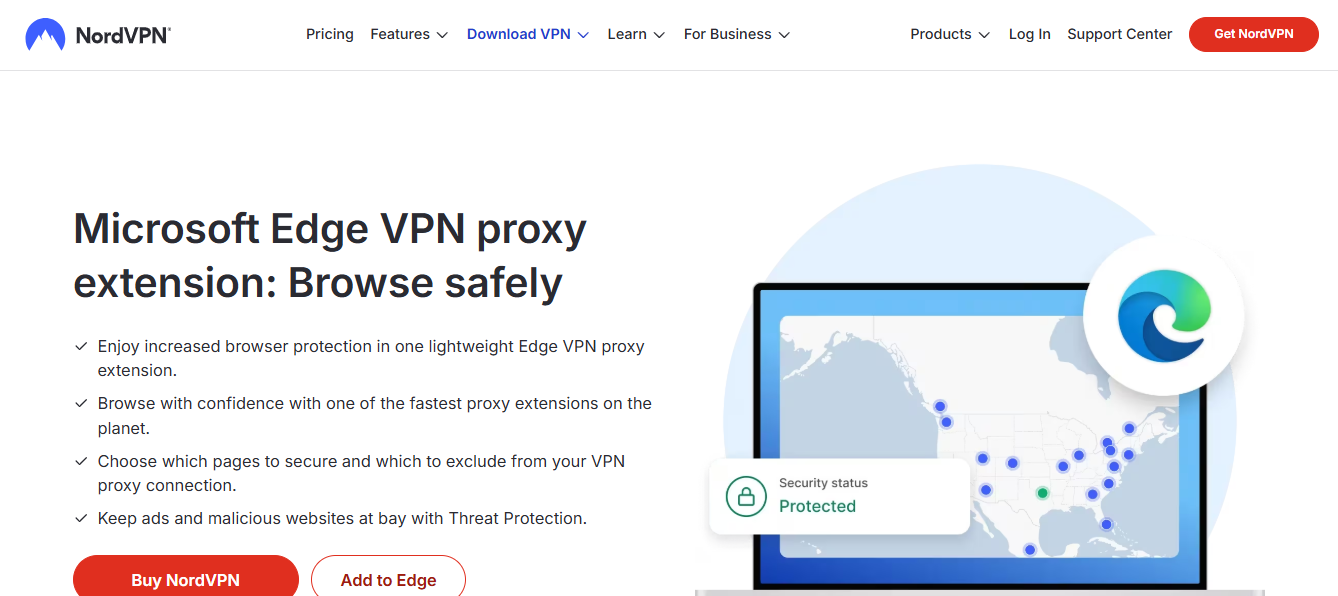
- Add the Edge Secure Network VPN Free extension to your browser.
- Activate the extension when you need quick protection.
- Be aware extensions only cover browser traffic; other apps remain unprotected unless the system VPN is on.
- Tips for best results:
- Connect to a server closer to you for speed, unless you need a different region for content.
- Test multiple servers if one is slow.
- Avoid using VPNs on unsecured public networks for critical activities without additional security layers.
Section 5: Real-World Scenarios and Use Cases
- Public Wi-Fi at coffee shops or airports:
- Why you should use a VPN here: public networks can be risky; a VPN adds a privacy shield.
- Quick setup: open the app, connect to a nearby server, confirm encryption is active.
- Bypassing geo-restrictions legally:
- Some content might be region-locked; a VPN can help access where you have legitimate rights to view content.
- Always respect the terms of service of streaming platforms.
- Protecting work-from-home sessions:
- A VPN can add a layer of security when accessing corporate resources, but verify with your IT department about what they require.
- Bandwidth and testing:
- If your ISP throttles certain types of traffic, a VPN can help conceal those activities, though results vary.
Section 6: Common Pitfalls and How to Avoid Them
- Claiming “no logs” without evidence:
- Do your homework, read audits, and check independent reviews.
- Data leakage through apps:
- Some apps bypass VPN tunnels if not configured properly; ensure system-wide VPN or use trusted apps.
- Battery drain on mobile:
- VPNs can increase battery usage; monitor your device’s battery impact and adjust settings.
- Slower speeds:
- Free VPNs often have limited servers. Try different servers, turn off bandwidth-hungry services on your device, and use a wired connection where possible.
- Ads and trackers:
- Some free services inject ads or track user activity; consider privacy-centered options and review app permissions.
Section 7: Data Privacy and Security Essentials
- Encryption basics:
- AES-256 encryption, secure handshake protocols, and modern cryptography standards protect your data.
- DNS leaks:
- DNS-leak protection prevents your real DNS queries from leaking outside the VPN tunnel.
- Kill switch:
- Keeps your real IP hidden if the VPN disconnects unexpectedly.
- Multi-hop and obfuscated servers:
- Some VPNs route traffic through multiple servers or disguise VPN traffic to bypass blocks on restrictive networks.
- Device hygiene:
- Keep devices updated, enable two-factor authentication for your VPN account, and review app permissions regularly.
Section 8: Performance and Speed Tips
- Server proximity:
- Always test nearby servers first; distance affects latency.
- Protocol choice:
- WireGuard tends to offer better speed and modern security; OpenVPN is widely compatible but sometimes slower.
- Background apps:
- Pause bandwidth-heavy apps while testing VPN speed to get a clearer read.
- Update the app:
- Ensure you’re on the latest version for bug fixes and performance improvements.
- Use split tunneling if available:
- Route only certain apps through the VPN to save speed for others.
Section 9: Privacy Considerations and Legalities
- Jurisdiction:
- Some VPN providers are based in privacy-friendly regions; consider data retention laws and government requests.
- Logging and surveillance:
- Free VPNs may have inconsistent logging practices; prioritize transparent privacy policies and independent audits.
- Compliance with terms:
- Always respect platform terms of service. VPN use to infringe content rights can lead to account penalties.
Section 10: Comparison Snapshot: Edge Secure Network VPN Free vs Popular Free VPNs
- Edge Secure Network VPN Free:
- Pros: easy to set up, lightweight, browser extension available, useful for quick protection on public networks.
- Cons: potential data limits, fewer servers, possible limitations on streaming or torrenting.
- Other popular free VPNs examples:
- Free VPN A: strong privacy policy, but data cap after 7 days.
- Free VPN B: many servers, but slower speeds during peak times.
- Free VPN C: excellent for basic browsing, but intrusive ads and some data logging.
- Practical takeaway: assess what you value most—privacy, speed, or access to content—and pick accordingly.
Section 11: Advanced Tips for Power Users
- Combine with privacy tools:
- Use secure browsers, anti-tracking extensions, and a reputable firewall to bolster protection.
- Multiple VPNs in a controlled workflow:
- Some users route traffic through more than one VPN for added anonymity; this is complex and can reduce speed, so proceed with caution.
- Regular security audits:
- Perform occasional DNS leak tests, IP checks, and vulnerable-app reviews to ensure continued protection.
- Education and staying updated:
- Follow trusted security blogs and the provider’s official updates for any policy or feature changes.
Section 12: Step-by-Step Quick Start Guide
- Step 1: Identify your primary need privacy, access, or speed and pick a free VPN with a transparent policy.
- Step 2: Install Edge Secure Network VPN Free on your device.
- Step 3: Run a quick privacy test IP check, DNS leak test to verify protection.
- Step 4: Connect to a nearby server; test speed with a quick browser benchmark.
- Step 5: Enable kill switch and DNS protection if available; enable split tunneling if needed.
- Step 6: Use the VPN consistently on public networks and adjust settings as needed.
Frequently Asked Questions
Is Edge Secure Network VPN Free safe to use?
Yes, when you choose reputable providers, enable the necessary security features, and stay within the terms of service. Always review the privacy policy and look for independent audits.
Can I use Edge Secure Network VPN Free on all my devices?
Most free VPNs offer desktop and mobile apps, and many provide browser extensions. Check compatibility on the official site and install the version that matches your device.
Will a free VPN slow down my connection?
Often yes. Free VPNs have fewer servers and bandwidth limits, which can cause slower speeds, especially during peak times.
Do free VPNs log my data?
Some do. Always read the privacy policy and look for zero-logs commitments and third-party audits before trusting any provider.
What’s the best way to test a VPN’s privacy?
Run IP, DNS, and WebRTC leak tests. Check for inconsistent results, and review independent audits if available.
Is a kill switch important?
Very. It prevents your real IP from leaking if the VPN drops unexpectedly.
Can I stream with a free VPN?
Some free VPNs unblock basic streaming, but many restrict access or throttle speeds. For reliable streaming, a paid option often works better.
Are there legal risks to using a VPN?
In most places, using a VPN is legal. Some regions prohibit certain activities through VPNs; always comply with local laws and platform terms.
How do I improve VPN performance?
Test multiple servers, use the fastest protocol available like WireGuard, close bandwidth-heavy apps, and keep your device updated.
What should I do if Edge Secure Network VPN Free stops working?
Check the server status, switch servers, restart the app, or reinstall. If issues persist, contact support and review the provider’s help resources.
Edge secure network vpn free: the ultimate guide to free vs paid vpn options, edge network concepts, setup tips, and safety in 2025
Edge secure network vpn free. Yes, you can explore Edge Secure Network concepts and free VPNs, but for real privacy, speed, and reliable security you’ll probably want a trusted paid option. In this guide, you’ll get a clear, practical view of how edge-network ideas relate to VPNs, what free VPNs can and can’t do, how to pick the right setup for your devices, and step-by-step instructions to get started. We’ll break down the myths, share real-world data, and leave you with concrete steps to stay safe online. If you’re shopping around, check out this deal banner for a trusted option:
Useful URLs and Resources un clickable text
- Edge Secure Network overview - cloudflare.com/edge-secure-network
- NordVPN official site - nordvpn.com
- OpenVPN project - openvpn.net
- WireGuard - wireguard.com
- Privacy-focused VPN comparisons - thebestvpn.com/guides
- Encryption basics - en.wikipedia.org/wiki/Encryption
What is Edge Secure Network and how it relates to VPNs
Edge Secure Network is a term you’ll see tossed around in privacy discussions and marketing collateral to describe a concept where traffic is routed through an edge-network—nearby servers and nodes designed to reduce latency and improve security. In practice, many VPN providers use their own “edge” infrastructure to handle encryption, DNS requests, and routing rules close to you, rather than sending everything straight to a central data center. This can shave precious milliseconds off latency, improve connection stability on mobile networks, and help block some types of tracking because requests are handled by the provider’s own edge points rather than your home ISP.
Key takeaways:
- Edge networks aim to shorten travel distance for your data, which can boost speed and reduce buffering on long-haul routes.
- This approach is not a single product. it’s a design pattern used by VPNs to improve performance and privacy.
- Not every VPN offers a formal “Edge Secure Network” feature by name, but many advertise edge- or zero-knowledge routing benefits as part of their architecture.
If you’re evaluating a VPN, look for signals like “edge routing,” “edge network,” or “DNS on-device security” in the feature list. Remember, while edge networks can improve performance, they don’t automatically make data private from every threat. You still need a strong no-logs policy, solid encryption, and a trustworthy provider.
Free vs paid VPNs: what actually changes
Here’s the practical split you’ll feel when you compare free and paid VPNs in 2025.
Data limits and speed caps Edge download android guide: install Edge on Android, optimize with VPNs, and protect your privacy 2026
- Free VPNs often put strict data caps ranging from 500MB to a few GB per month and throttle speeds to manage load.
- Paid VPNs remove caps, deliver consistent speeds, and offer unlimited data on most plans.
Server count and locations
- Free options typically provide access to a small number of servers, often in a limited set of countries.
- Paid services boast thousands of servers across dozens of countries, giving you more options for bypassing geo-restrictions and balancing load.
Privacy and logging
- Some free VPNs monetize users by selling data or injecting ads, and others claim no-logs but have vague policies.
- Reputable paid VPNs publish transparent privacy policies, independent audits, and strict no-logs commitments.
Security features
- Free plans may offer basic encryption but skip essential features like a killswitch, split tunneling, or malware/ad blocking.
- Paid plans typically include a killswitch, leak protection, split tunneling, auto-connect, DNS/IPv6 leak protection, and optional malware/ad blockers.
Reliability and support
- Free services rely on ad-supported revenue and have limited customer support.
- Paid services invest in 24/7 live chat, email support, and extensive knowledge bases.
Trust and brand maturity Does microsoft edge have free vpn 2026
- Some free services come and go. paid providers with established reputations tend to be more dependable for long-term use.
- If you handle sensitive data work, personal finances, health records, reliability and a solid privacy stance matter more than price.
Safety trade-offs
- Free VPNs can expose you to malicious apps, bundled adware, or questionable data-collection practices.
- A proven paid VPN with solid audits, responsible business practices, and clear transparency tends to be safer for everyday privacy.
Data snapshot to consider:
- Global VPN usage continues to grow, with estimates suggesting tens of millions of daily users in 2024–2025. Real-world testing shows paid VPNs sustaining higher average speeds and more consistent connections in congested networks than free options.
- Independent audits for paid VPNs show strong encryption practices OpenVPN, WireGuard, IKEv2 and robust kill-switch implementations in reputable services.
- On average, a top-tier paid VPN adds value through features like multi-device support, simultaneous connections 5–7+ devices, specialty servers P2P, streaming-optimized, and privacy controls that free options rarely match.
Bottom line: If you want dependable performance, solid privacy protections, and a clean user experience, a paid VPN is worth it. Free options can be good for quick tests or light use, but they come with limits and risks that aren’t present with paid services.
How to pick a VPN in 2025: a practical decision guide
Follow this simple, non-technical checklist to choose a VPN that fits your needs.
- Define your primary use
- Streaming and bypassing geo-restrictions? Look for fast servers in relevant regions and streaming-capable networks.
- Privacy and security? Prioritize audited no-logs policies, strong encryption, malware/ad blockers, and a strict data-retention stance.
- Casual browsing or travel? A balance of price, reliability, and mobile performance matters.
- Check the security fundamentals
- Standard encryption: AES-256
- Protocols: OpenVPN, WireGuard, and IKEv2
- Kill switch and DNS leak protection are must-haves
- Review logs and privacy policies
- Look for a clear no-logs statement, independent audits, and transparent data handling practices.
- Be mindful of jurisdiction. many privacy-conscious providers operate in privacy-friendly regions or enforce strict internal controls.
- Evaluate server network
- More servers and more countries usually mean better speed and more location options.
- Check for specialized servers RAM-only, P2P, streaming-optimized if that matters to you.
- Device coverage and simultaneous connections
- Make sure the plan covers all your devices Windows, Mac, Android, iOS, Linux, routers.
- Confirm the number of simultaneous connections allowed.
- Performance and reliability
- Look for real-world speed tests, latency metrics, and consistent uptime guarantees.
- Read independent reviews and real-user experiences.
- Extra features that matter
- Built-in ad/malware blocking, split tunneling, multi-hop, port forwarding, and a reliable killswitch.
- Easy-to-use apps and a patient, helpful support team.
- Price, billing, and refunds
- Compare monthly vs annual plans, check for free trials or money-back guarantees.
- Consider the total cost of ownership and how often you’ll actually use premium features.
- Privacy and safety incident history
- Check for any past privacy violations, legal requests, or compliance issues.
- Independent audits and third-party endorsements are a good sign.
- Try before you buy
- Make use of refunds or trial periods to test speed, streaming ability, and app reliability on your devices.
Edge Secure Network features you should know about
- Edge routing performance: Expect lower latency and stable connections on mobile and remote networks.
- Edge-side DNS handling: More control over DNS resolution to reduce leaks and improve privacy.
- Integration with other privacy features: Edge concepts pair well with no-logs policies, robust encryption, and killswitch protection.
- Not a magic fix: Edge Network improves routing, but strong privacy protections, careful provider selection, and a solid security posture are still essential.
When evaluating a VPN, ask about how their edge infrastructure operates, what data is observed at the edge, and how it’s protected end-to-end. If a provider highlights “edge networking” as a core selling point, verify through independent audits and user reviews before making a decision. Edge browser download android: complete guide to installing, updating, and securing Microsoft Edge on Android with a VPN 2026
Step-by-step setup guide for major platforms
Here’s a quick-start guide you can follow on Windows, macOS, Android, and iOS. The steps are generic so you can adapt if your VPN uses a specific launcher or has a unique feature set.
Windows
- Subscribe to a reputable VPN plan or download a free trial if offered.
- Install the official Windows app from the provider’s site.
- Sign in with your credentials and review the privacy settings.
- Enable the killswitch and DNS leak protection in settings.
- Choose a server location and connect. Test your IP and DNS leaks using a trusted online checker.
- If you’ll use it for streaming, pick a server optimized for that purpose.
macOS
- Download the macOS client and sign in.
- Turn on the killswitch and consider enabling split tunneling if you use local services that should bypass the VPN.
- Choose a nearby or region-specific server and test speed.
Android
- Install the VPN app from the Google Play Store or the provider’s APK if you’re an advanced user.
- Permit necessary system permissions and enable auto-connect on startup.
- Use the app’s recommended “Smart Location” or manually select a server nearby for the best performance.
- Run a quick DNS leak test and verify the VPN connection.
- Install the iOS app and sign in.
- Enable “Connect On Demand” if available for automatic protection on unsecured networks.
- Pick a server and verify your IP address to ensure protection is active.
Router setup advanced
- If you want all devices in your home protected, configure the VPN at the router level. This requires a compatible router and careful setup with your VPN’s instructions. You’ll benefit from device-wide protection, but the initial setup is more technical.
Testing tips after setup
- Run a speed test with VPN on and off to gauge impact.
- Check for IP leaks IPv4 and IPv6 and DNS leaks using reputable testing tools.
- Try streaming a video on the VPN-connected server to ensure buffering isn’t an issue.
Real-world performance, safety, and best practices
- Speed and distance: The nearer the server, the better your latency. If a nearby server is congested, switch to a different one in a nearby country.
- Privacy posture: Combine VPN use with safe browsing habits, strong passwords, and two-factor authentication 2FA.
- Ad and malware blocking: If your VPN includes built-in blocking, turn it on, but cross-check with dedicated security apps if you need deeper protection.
- Device coverage: Protect every device you use regularly—phones, tablets, laptops, and even smart TVs or consoles where possible.
- Public Wi-Fi: Always enable your VPN on public networks. Free or paid, public Wi-Fi is a common vector for attacks.
- Kill switch reliability: Test the killswitch periodically to ensure it blocks traffic when the VPN disconnects unexpectedly.
Common mistakes to avoid with free VPNs
- Relying on free VPNs for sensitive activity banking, corporate work, or handling personal data.
- Underestimating data caps that interrupt streaming or large downloads.
- Ignoring privacy policies in favor of “no-logs” claims without audits.
- Skipping device protection and DNS leak testing.
- Omitting regular updates or missing out on security features that come with paid plans.
- Overlooking cross-device compatibility or failing to protect all your home devices.
Real-world tips and comparisons
- If streaming is a priority, free VPNs usually fall short due to server overload and throttling. Paid services with streaming-optimized servers tend to perform better.
- For privacy-conscious users, an audited no-logs policy plus a transparent privacy report is more reliable than free offerings that monetize user data.
- Edge-network concepts can help with latency, but only when paired with robust encryption, a strong privacy policy, and a provider with reliable infrastructure.
Frequently Asked Questions
What is Edge Secure Network?
Edge Secure Network refers to an edge-routing approach used by some VPN providers to reduce latency and improve performance by processing traffic closer to the user. It’s a design pattern rather than a standalone product and is typically part of a provider’s broader privacy and security infrastructure.
Are free VPNs truly free?
Yes, many free VPNs don’t charge money upfront, but they often come with data caps, slower speeds, limited server options, and potential privacy concerns. Paid VPNs generally offer more reliability, privacy protections, and features.
Can a VPN really protect my privacy?
A VPN encrypts your internet traffic, hides your IP address, and helps protect you on public networks. It doesn’t make you invincible. you still need good password hygiene, updated software, and careful online behavior. Cyberghost vpn chrome extension download file 2026
Do I need a VPN on all my devices?
If you want comprehensive protection across your devices, a VPN plan that supports multiple simultaneous connections or router-level protection is ideal. This ensures your laptop, phone, tablet, and other devices are shielded.
What protocols should I look for?
Top VPNs offer OpenVPN and WireGuard as standard. Some also provide IKEv2. Look for AES-256 encryption and automatic protocol negotiation for best balance of speed and security.
What’s the benefit of edge networking in a VPN?
Edge networking can reduce latency and improve reliability by processing data closer to you. It can enhance streaming and gaming experiences, but you still need strong privacy policies and audited security.
Should I trust free VPNs?
Be wary of free providers with questionable business models, ads, or lack of transparency. If you’re protecting sensitive information, a reputable paid VPN is generally safer.
How do I test VPN speed and reliability?
Run speed tests with the VPN connected and disconnected, try multiple servers, and observe latency, download, and upload consistency. Streaming performance is another practical test alongside general browsing. Edge vpn for free: a practical guide to free Edge VPN options, setup, safety, and performance in 2026
How do I verify a VPN has a no-logs policy?
Check the provider’s privacy policy, look for independent audits or third-party attestations, and review user reports. Some providers publish annual transparency reports.
Is NordVPN a good option for Edge Secure Network users?
NordVPN and other established providers offer strong encryption, no-logs commitments, and broad server networks. Their edge-network infrastructure and a robust features set make them a solid choice for many users. Always review current plans, features, and audits before deciding.
How do I set up a VPN on Windows 11/12, macOS, iOS, and Android?
Install the official app, sign in, enable essential protections killswitch, DNS leak protection, choose a server, and test your connection with a quick IP check and leak test. Each platform has slightly different steps, but the core concepts stay the same: secure tunnel, edge routing where available, and continuous monitoring.
Can Edge Secure Network be used for business or work purposes?
Edge-network concepts can enhance performance and security for business users, especially when paired with enterprise-grade privacy controls, access policies, and monitoring. For corporate use, consider enterprise VPNs or Zero Trust solutions validated by audits and compliance standards.
What should I do if my VPN slows down too much?
First, switch to a nearby server, then try a different protocol WireGuard often performs well. Verify your device isn’t running background tasks that hog bandwidth and ensure your internet plan supports the speeds you expect. Edgerouter x l2tp vpn setup 2026
How important are independent audits for VPNs?
Audits are a strong signal of trust. They verify privacy claims, verify no-logs commitments, and assess security controls. When possible, choose providers with recent, public audits.
Is it worth paying for a VPN if I only browse occasionally?
If you value privacy, protection on public networks, and access to streaming or region-locked content, a paid VPN can still be worthwhile. You’ll typically get better performance, reliability, and support than free options.
What else should I consider beyond VPNs and edge networks?
Look at browser privacy, secure search, password managers, two-factor authentication, and general online hygiene. A VPN is just one part of a broader privacy strategy.
一天vpn:在一天内搭建、评估与日常使用的实用VPN指南