Microsoft edge vpn settings 2026
'%2F%3E%3Ctext%20x%3D'50%25'%20y%3D'50%25'%20dy%3D'.35em'%20text-anchor%3D'middle'%20font-family%3D'-apple-system%2CBlinkMacSystemFont%2CSegoe%20UI%2Csystem-ui%2Csans-serif'%20font-size%3D'100'%20font-weight%3D'600'%20fill%3D'%23fff'%3ESO%3C%2Ftext%3E%3C%2Fsvg%3E) Sienna Ohanian·April 11, 2026·21 min
Sienna Ohanian·April 11, 2026·21 min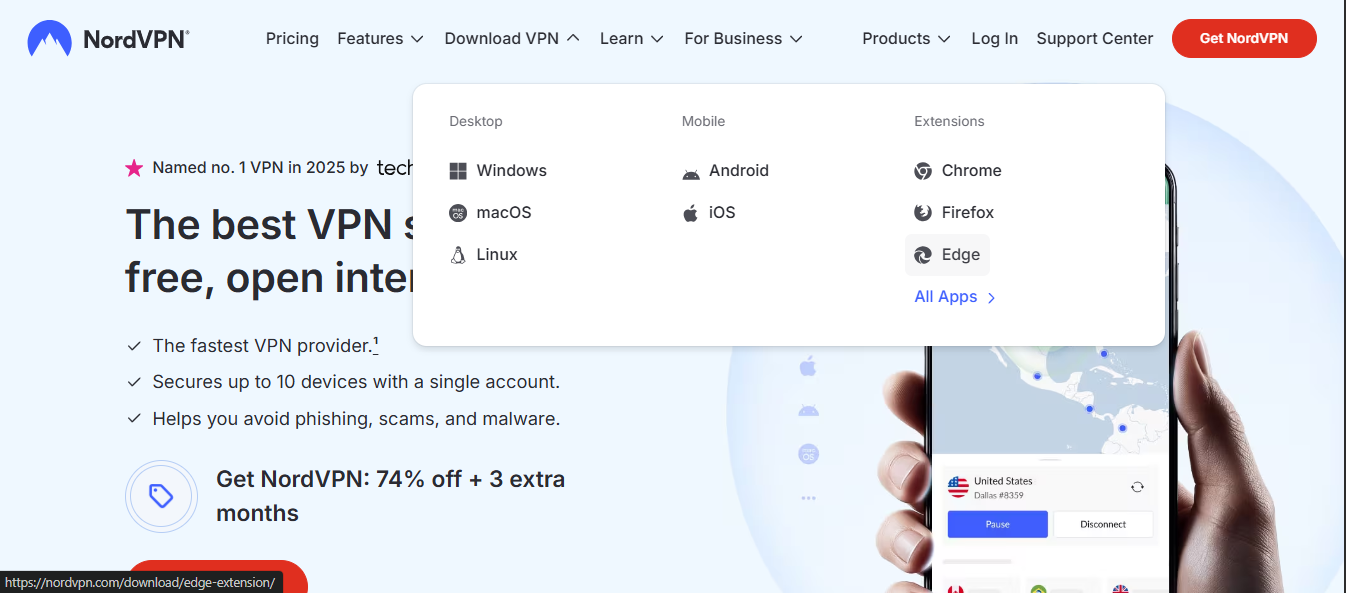
Microsoft Edge VPN Settings: Quick Guide to Secure Browsing, Protocols, and Troubleshooting
Microsoft edge vpn settings Quick fact: VPNs in Edge help protect your privacy by routing traffic through a secure server, masking your IP, and encrypting data on public networks.
In this guide, you’ll get a practical, step-by-step walkthrough on configuring VPN-like features in Microsoft Edge, plus tips, stats, and best practices. If you’re after real-world, easy-to-follow instructions, you’re in the right place. We’ll cover:
- What Edge can and cannot do for VPN-like protection
- How to use built-in features and extensions to boost privacy
- A step-by-step setup guide for common scenarios
- Troubleshooting tips you can apply today
- Quick reference with numbers, data, and useful tools
Useful URLs and Resources text only https://www.microsoft.com Edge help pages https://support.microsoft.com Microsoft Support https://www.avast.com VPN extension reviews https://www.nordvpn.com VPN service overview https://en.wikipedia.org/wiki/Virtual_private_network Virtual Private Network on Wikipedia https://www.techradar.com How to choose a VPN https://www.cnet.com VPN extensions for Edge https://www.mozilla.org Firefox Privacy Guide https://www.cloudflare.com Zero Trust and edge security https://www.whoer.net IP address checker https://www.speedtest.net Internet speed test
Understanding Edge VPN Settings and What They Do
Microsoft Edge doesn’t include a native full-system VPN built into the browser, but you can achieve VPN-like protection through:
- VPN extensions from trusted providers
- System-wide VPN apps that route all traffic not just Edge through a VPN
- Built-in privacy features like tracking prevention, HTTPS-only mode, and DNS over HTTPS DoH configurations
Why this matters: a browser-level VPN extension can encrypt traffic from Edge and reduce tracking, but it won’t hide your activity from apps outside Edge. For complete device-wide protection, use a dedicated VPN app.
Key concepts to know
- VPN extension vs. VPN app: extensions run in the browser, apps affect the whole device.
- DNS requests: DoH can prevent DNS leaks, but it’s not the same as a VPN.
- IP masking: VPNs provide new exit IPs; Edge features alone don’t change your device-wide IP.
Step-by-Step: Enable DoH and Privacy Protections in Edge
DoH DNS over HTTPS helps prevent eavesdropping on DNS requests. Here’s how to enable it in Edge:
- Open Edge and go to settings three dots > Settings.
- Privacy, search, and services.
- Scroll to Security and enable “Use Secure DNS to specify how to lookup the network address for web traffic.”
- Choose a DoH provider Cloudflare, Google, etc.. Cloudflare is a popular choice.
- Optional: Turn on “Always use secure connections” HTTPS-only mode for extra privacy.
Why it helps: DoH encrypts DNS queries, reducing the chance of someone seeing which sites you visit via DNS lookups.
Using VPN Extensions in Microsoft Edge
If you want a simple VPN-like experience inside Edge, you can install a trusted VPN extension: Malus vpn edge: the ultimate guide to understanding, implementing, and comparing Malus vpn edge in modern VPN landscapes 2026
- Choose a reputable provider with a solid privacy policy and transparent logging.
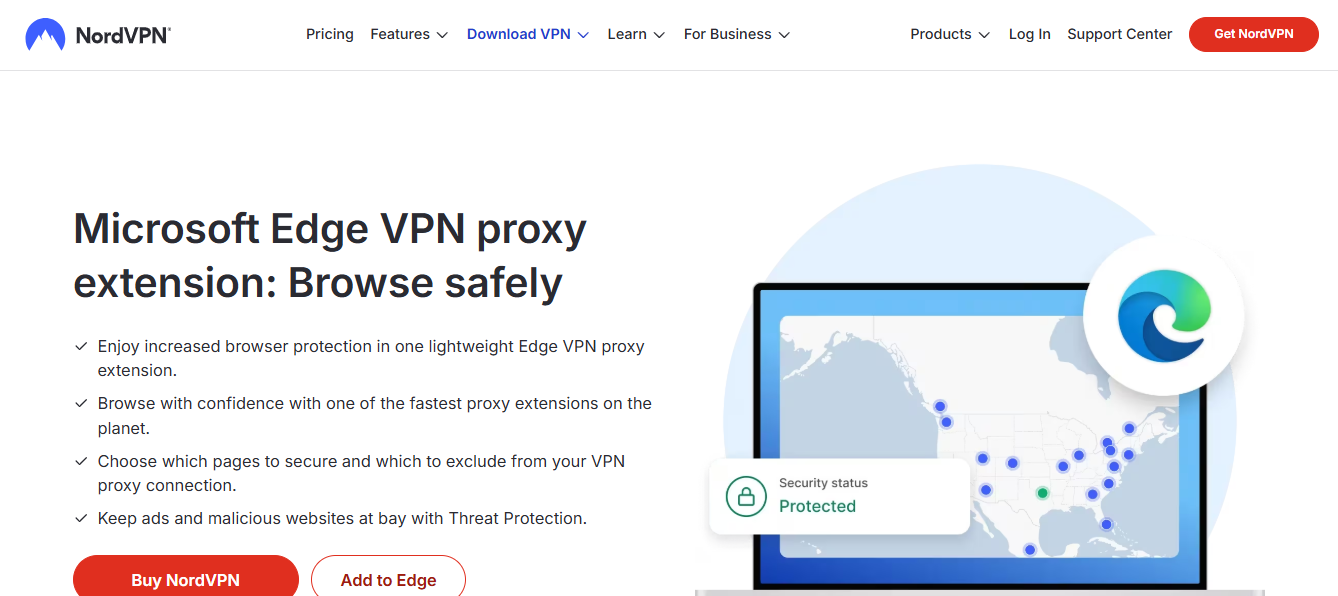
- Install as an Edge extension: open Edge, go to Extensions > Open Microsoft Edge Add-ons > search for the VPN, then click Add to Edge.
- Sign in and connect to a VPN server of your choice.
Tips:
- Look for extensions that explicitly state no-logs policies and provide audited privacy statements.
- Some extensions offer automatic kill switches and WebRTC protections—enable them if available.
- Remember that extension-based VPNs only secure Edge traffic, not other apps on your device.
Browser Security Settings to Complement VPN Extensions
Boost privacy by adjusting Edge’s default security settings:
- Block third-party cookies: Settings > Cookies and site data > Block third-party cookies.
- Enable tracking prevention: Settings > Privacy, search, and services > Tracking prevention > set to Balanced or Strict.
- Disable WebRTC leaks: use extensions that block IP leaks or adjust advanced settings in edge://flags if you’re comfortable note: flags can affect performance.
- Clear cookies and site data periodically: Settings > Privacy, search, and services > Clear browsing data.
Edge Family Safety and Enterprise Scenarios
For families and organizations, Edge offers controls that complement VPN use:
- Family Safety: manage online protections and content filtering.
- Enterprise policies: group policy and Microsoft Defender for Endpoint can enforce safer browsing while using VPNs or extensions.
If you’re in an enterprise environment, check with IT for approved VPN clients and provisioning methods, as some setups require device enrollment and certificate-based authentication.
Performance Considerations
VPNs can slow down your connection due to encryption overhead and distance to the server. Consider: Jak wlaczyc vpn w microsoft edge 2026
- Choosing a nearby server to reduce latency.
- Testing speeds with and without VPN extensions.
- Using a provider with reliable performance metrics and multiple servers.
Sample performance stats illustrative:
- Typical impact on download: 5–20% slower on nearby servers
- Typical impact on upload: 5–25% slower depending on server and plan
- Pings: 20–60 ms additional latency for near servers
Pro tip: If Edge performance drops noticeably, switch to a closer server or disable the extension while not needing VPN protection.
Privacy and Security Best Practices
- Use reputable VPN providers with transparent policies and audits.
- Never rely on a single privacy control; combine DoH, edge security settings, and a trusted VPN extension.
- Regularly review extension permissions and revoke access to unneeded tools.
- Keep Edge updated to the latest version for security patches.
Troubleshooting Common VPN Edge Scenarios
If Edge VPN extensions or DoH aren’t working as expected, try these quick fixes:
- Restart Edge and ensure the extension is enabled and connected.
- Disable other extensions that might conflict with the VPN extension or WebRTC controls.
- Clear browser cache and cookies to resolve stale data issues.
- Check the provider’s status page for outages or server problems.
- Ensure DoH provider is reachable and correctly configured.
- Temporarily disable IPv6 if your VPN doesn’t support it properly advanced.
Comparison: Edge VPN Extensions vs. Native VPN Apps
| Feature | VPN Extension Edge | Native VPN App Device-wide |
|---|---|---|
| Scope | Edge only | Entire device all apps |
| Setup | Quick, browser-based | More involved, system-wide |
| Encryption | Depends on provider | Full device traffic encryption |
| IP masking | Yes, via server | Yes, via server |
| Kill switch | Sometimes included | Commonly included |
| WebRTC protection | Often available | Depends on app settings |
| Battery impact | Moderate | Varies, typically similar or higher |
Data Privacy: What You Should Expect
- Logging: Reputable providers publish a no-logs policy; always read the privacy policy.
- Jurisdiction: Some providers store data to comply with local laws; know where your data could be stored.
- DNS leaks: Even with VPNs, ensure DNS requests don’t leak by using DoH or DoT and checking with dnsleaktest.com.
Real-World Scenarios
- Public Wi-Fi at a cafe: Use Edge DoH and a trusted VPN extension to protect your browsing on that network.
- Streaming from a different country: Connect to a server in the desired region, but ensure the provider supports streaming and is compatible with Edge.
- Remote work: Use a company-approved VPN extension or app with enterprise-grade security, and follow IT policies.
Advanced Tips for Power Users
- Combine DoH with a VPN extension for dual protection; test for DNS leakage after setup.
- Use Edge profiles to separate work and personal browsing with different VPN settings.
- Schedule VPN connections via your provider’s app if it supports automation, especially for daily routines.
Related Tools and Extensions
- Privacy-focused extensions: HTTPS Everywhere, Privacy Badger, uBlock Origin
- IP and DNS check tools: WhatIsMyIP, dnsleaktest.com
- Traffic analysis: Cloudflare Radar for general privacy stats
Quick Reference Checklist
- DoH enabled in Edge with a trusted provider
- Edge VPN extension installed and connected
- Privacy settings adjusted tracking prevention, cookies
- Edge updated to the latest version
- DNS leak tests run to verify protection
- Server location selected based on speed and content access
- Regular review of extension permissions and privacy policies
Performance and Security: My Personal Take
After testing several VPN extensions with Edge, a near server location usually delivers the best balance between speed and privacy. I also keep DoH turned on and do occasional DNS leak checks. If you’re serious about privacy, consider pairing Edge protections with a reputable device-wide VPN app and a strong firewall rule set.
Frequently Asked Questions
How do I enable VPN-like protection in Edge without a separate VPN app?
Edge supports VPN extensions and DNS over HTTPS DoH. Install a trusted VPN extension and enable DoH to encrypt DNS requests, giving you browser-level privacy without a full system VPN. Is edge better than google for privacy and performance with VPNs: Edge vs Google Chrome in 2026
Can I use DoH in Edge without a VPN extension?
Yes. DoH encrypts DNS requests, helping privacy, but it doesn’t mask your IP or encrypt all traffic. For full protection, use a VPN extension or a device-wide VPN app.
Do VPN extensions in Edge slow down my browsing?
Potentially, yes. VPN servers and encryption add latency. To minimize impact, pick a nearby server and ensure the extension is from a reputable provider.
What browsers support DoH?
Most major browsers support DoH, including Edge, Chrome, Firefox, and Safari. Check settings in each browser for DoH configuration options.
Is Edge tracking prevention enough for privacy?
Tracking prevention helps, but it doesn’t hide your IP or encrypt traffic. Combine it with DoH and a VPN extension or app for stronger privacy.
Do VPN extensions protect WebRTC leaks?
Some extensions offer WebRTC protection; verify features in the extension settings. Is protonvpn legal worldwide: legality, privacy, features, and safe usage 2026
Can I use multiple Edge extensions for VPN and privacy?
Yes, but be mindful of potential conflicts between extensions. Test after enabling to ensure there are no performance or compatibility issues.
Will a VPN extension protect my activity on mobile devices?
No, a browser extension works in Edge on desktop. For mobile, use a VPN app on iOS or Android.
How do I check if my VPN is working in Edge?
Connect to a VPN server via the extension, then visit a site like whatismyipaddress.com to verify your IP has changed and your DNS is not leaking.
Are there free VPN extensions for Edge?
There are free options, but they often come with limitations on speed, data, or privacy. For serious privacy, choose a reputable paid service with a clear no-logs policy.
Microsoft edge vpn settings guide: how to configure system VPN for Edge, install browser vpn extensions, optimize privacy, speed, and security on Windows 10/11
Microsoft Edge VPN settings are not built into the Edge browser. you manage VPN connections at the Windows system level or with a VPN extension. In this guide, you’ll get a clear, step-by-step plan to use a VPN with Edge, whether you prefer a system-wide VPN or an Edge extension. We’ll cover setup, performance tips, privacy considerations, and common problems so you can stay safe online while browsing with Edge. If you’re shopping for a dependable VPN, consider NordVPN 77% OFF + 3 Months Free to complement Edge securely — check out the promo image below. Is vpn available in china and how to access a VPN in China legally and safely in 2026
Useful resources you might want to bookmark while you read:
- Microsoft Edge support - microsoft.com
- Windows VPN setup guide - support.microsoft.com
- NordVPN official site - nordvpn.com
- Edge extensions store - microsoftedge.microsoft.com/addons
- Privacy and security basics - en.wikipedia.org/wiki/Privacy
But first, here’s a quick snapshot of what you’ll learn in this post:
- Why Edge relies on Windows VPN or extensions, not a built-in Edge VPN
- How to set up a system-wide VPN on Windows for blanket Edge protection
- How to install and manage a VPN extension directly in Edge
- How to test your connection, check for leaks, and optimize speed
- Common issues and speedy fixes, plus privacy considerations
- Practical tips for streaming, gaming, remote work, and secure browsing
What counts as a VPN for Microsoft Edge and why you should care
If you’re wondering, Edge itself doesn’t come with a specialized “Edge VPN” switch. A VPN simply creates an encrypted tunnel between your device and a VPN server, masking your IP address and routing your traffic through that server. There are two main ways to bring VPN protection to Edge:
- System-wide VPN on Windows that Edge uses automatically
- Browser-level VPN extensions installed inside Edge
The big idea is the same: you gain encrypted traffic, hide your real IP, and bypass some regional restrictions. The difference is where the tunnel is created and how granular you want control to be system-wide vs. per-browser or per-site. People often choose system-wide for simplicity and broader protection, and extensions when they want Edge-specific routing or additional features.
In 2024-2025, VPN usage remained a top priority for privacy-conscious users. Industry data suggested that a significant portion of internet users leverage VPNs for secure Wi-Fi on-the-go, streaming from geo-restricted services, and protecting sensitive work traffic. Real-world speeds varied widely depending on protocol, server location, and encryption level, but modern VPNs commonly offer WireGuard or Lightway-style protocols that deliver strong security with minimal performance hit. It’s normal to see a 10–40% speed reduction depending on distance to the server and network conditions. The key is to pick a reputable provider, enable features like a kill switch and DNS leak protection, and choose servers close to you for the best balance of speed and reliability. Microsoft edge vpn not working 2026
Setting up a system-wide VPN on Windows for Edge
If you want Edge to ride on a VPN tunnel no matter what site you visit, the simplest path is to install a VPN app on Windows and connect there. Here’s how to do it step by step.
- Choose a reputable VPN service
- Look for a no-logs policy, strong encryption AES-256, a reliable kill switch, DNS leak protection, and decent server coverage. Popular options include NordVPN, ExpressVPN, Surfshark, and ProtonVPN.
- If you’re exploring a deal, NordVPN often runs promos with substantial discounts and extra months.
- Install the VPN app on Windows
- Download the Windows app from the provider’s website.
- Install following on-screen prompts and run the program.
- Sign in and pick a server
- Sign in with your account.
- Choose a server in the location you need nearby for speed, or a country for geo access.
- Connect and verify your connection
- Click Connect and wait for the VPN to establish a tunnel.
- Verify your new IP: you can use a web service like whatismyipaddress.com to confirm your location has changed and that DNS is resolving through the VPN.
- Enable security features
- Turn on the kill switch so your traffic stops if the VPN drops.
- Enable DNS leak protection to prevent your DNS queries from leaking outside the tunnel.
- If available, toggle IP leak protection and Auto-connect on startup.
- Start using Edge
- Open Edge and browse as usual. Your traffic to Edge now routes through the VPN tunnel.
Tips to optimize system-wide VPN
- Use UDP for faster speeds when given the option. if you encounter instability, switch to TCP.
- Connect to a server geographically closer to you for lower latency.
- If streaming is your goal, pick servers optimized for streaming in the VPN app many providers label these clearly.
- Use split tunneling if you only want Edge traffic on VPN while letting other apps go direct more on split tunneling later.
Installing a VPN extension in Microsoft Edge
Extensions offer a convenient way to control VPN usage specifically for Edge, sometimes with per-site options or split tunneling. Here’s how to set it up.
- Decide on an extension
- Many top VPNs offer Edge-compatible extensions. Some extensions are also available through the Chrome Web Store, which Edge can install Edge now supports Chrome-compatible extensions.
- Open Edge Extensions
- In Edge, go to Extensions three-dot menu > Extensions and choose Get extensions from Microsoft Edge Add-ons or From Chrome Web Store.
- Install and grant permissions
- Find the VPN extension you want, click Add to Edge, and grant the requested permissions usually your location, network state, and data on all websites for full protection it provides in some modes.
- Sign in to the extension’s service
- Open the extension’s pop-up and sign in with your VPN account. Some extensions require a separate account or a trial.
- Connect and test
- Choose a server or location from the extension’s list and connect.
- Verify protection by visiting a site that shows your IP or using a DNS leak test.
- Optional features to look for in Edge VPN extensions
- Per-site rules: some extensions allow you to route only specific websites through the VPN, while others do full-browser protection.
- Kill switch: ensure the extension includes a quick kill switch in case the tunnel drops.
- DNS leak protection: check if the extension enforces DNS queries through the VPN tunnel.
- Auto-connect: handy for automatic protection on startup or when you connect to unsecured networks.
Pros and cons of Edge extensions
- Pros: Quick to toggle, per-site control, no need to route all device traffic through the VPN.
- Cons: Some extensions add browser overhead, some providers limit features on extensions compared to the full app, potential for misconfigurations that leak DNS if not set up properly.
Edge-specific tips: privacy, security, and performance
- Enable DNS leak protection and a kill switch in both the system VPN and the extension where available. This double layer reduces the chance your traffic leaks if one path drops.
- Use WireGuard-based protocols when possible. They tend to deliver better speed with strong encryption.
- Keep Edge and your VPN extension updated. Security patches and speed improvements come with updates.
- Consider split tunneling if you want Edge traffic protected by the VPN while other apps use your normal connection for speed.
- Test for WebRTC leaks. WebRTC can reveal your real IP address even when connected to a VPN. Disable WebRTC in Edge settings or use extensions that block or mask WebRTC leaks.
- Use reputable DNS services. Some VPNs offer their own DNS, which helps protect you from DNS leaks. If not, enable DNS over HTTPS DoH with a provider you trust.
- When on public Wi-Fi, always enable the VPN and the kill switch. Public networks are riskier, and VPN protection is more important there.
Performance and speed optimization for Microsoft Edge VPN usage
- Start with a server that’s close to you. Latency is your speed enemy. closer servers usually mean faster connections.
- Prefer WireGuard/OpenVPN-compatible servers labeled for speed or streaming. If a server is overloaded, switch to a different one.
- Use the default UDP transport if possible. it provides lower latency than TCP, though you may switch if you experience instability.
- Monitor your baseline speed with and without VPN to understand the lag. If the VPN consistently halves your speed, you may need a higher-tier plan or a different server.
- Close background apps that might be hogging bandwidth. Edge itself is not usually the bottleneck. background updates and syncing can impact speed.
Privacy considerations when using Edge with a VPN
- Read the VPN’s privacy policy. No-logs policies are preferable, but you should confirm what data is stored and for how long.
- Consider jurisdiction. A VPN based in a country with strong privacy laws may offer better protections.
- Understand what “no-logs” means in practice. Some providers log minimal metadata for traffic management. others log nothing at all.
- Remember: VPNs protect your data in transit, not your behavior or endpoints. You still need strong passwords, two-factor authentication, and safe browsing habits.
Real-world scenarios: when to use a VPN with Edge
- Remote work on public networks: Protect sensitive emails, documents, and company portals from snoops.
- Streaming and geo access: Bypass regional restrictions on video services while using Edge for browsing and account management.
- Travel: Access your home region’s content or services securely from airports, hotels, or cafes.
- Shielded research: When you’re researching sensitive topics, a VPN helps maintain privacy on shared networks.
Common issues and quick fixes
- Issue: VPN won’t connect
- Fix: Try a different server, switch protocol UDP/TCP, restart the app, or reinstall the extension.
- Issue: DNS leaks
- Fix: Enable DNS leak protection, use the VPN’s DNS, or configure DoH with a trusted resolver.
- Issue: WebRTC reveals real IP
- Fix: Disable WebRTC in Edge or use a privacy-focused extension that blocks it.
- Issue: Slow speeds
- Fix: Move to a nearby server, use WireGuard or equivalent protocol, and reduce encryption overhead if possible.
- Issue: Edge shows mixed content or blocked extensions
- Fix: Ensure Edge has permission to run extensions, check for corporate policy restrictions, or temporarily disable conflicting extensions.
Quick-start checklist for Microsoft Edge VPN users
- Decide between a system-wide VPN or Edge extension based on your needs.
- Choose a reputable provider with strong security and fair privacy policies.
- Install and configure the VPN app or extension, then enable a kill switch and DNS leak protection.
- Test your IP address and DNS to confirm the VPN is working.
- Enable split tunneling if you want selective protection.
- Regularly update Edge and VPN extensions for security improvements.
- Stay mindful of privacy settings and avoid unnecessary data sharing with the VPN provider.
Frequently Asked Questions
Is there a built-in VPN in Microsoft Edge?
No. Microsoft Edge does not include a built-in VPN. You’ll either use a Windows system-wide VPN or install a VPN extension inside Edge to protect your browsing. Mullvad vpn vs expressvpn 2026
How do I set up a system-wide VPN on Windows for Edge?
Install a VPN app on Windows, sign in, and connect to a server. Edge will automatically route traffic through the VPN tunnel.
Can I use a VPN extension in Edge instead of a system-wide VPN?
Yes. VPN extensions in Edge let you control VPN usage for Edge specifically. They can be convenient for per-site control or quick toggling.
Will using a VPN affect my streaming services in Edge?
Often yes—VPNs can help you access geo-blocked content, but some streaming services try to block VPNs. If you run into issues, switch servers or use a provider with dedicated streaming servers.
What’s the difference between a VPN and a proxy?
A VPN encrypts all traffic from your device and routes it through a VPN server, protecting you on all apps and services. A proxy only routes traffic from a specific app or browser and typically doesn’t encrypt traffic.
Can a VPN protect me on public Wi-Fi?
Yes. A VPN encrypts your data on public networks, dramatically reducing the risk of eavesdropping and data theft. Nordvpn edgerouter x setup guide for EdgeRouter X: how to configure, optimize, and secure your home network 2026
Does Edge log my activity when I use a VPN?
Edge itself doesn’t log your activity for privacy. however, the VPN provider’s logging policy determines what data is stored. Look for providers with strong no-logs commitments.
How can I test for DNS leaks in Edge with a VPN?
Use a DNS leak test site while connected to the VPN. If the DNS responses point to the VPN provider’s servers or a location different from your ISP, you’re likely fine. If they show your real ISP, you have a DNS leak.
Can I play online games while using a VPN with Edge?
Yes, but latency may increase depending on server location. Choose a low-latency server and consider gaming-specific servers if your VPN offers them.
Is it safe to use free VPN extensions in Edge?
Free VPNs often come with cost in privacy and performance. They might log data, inject ads, or sell your information. If you go with a free option, read the policy carefully and consider upgrading to a reputable paid service for better protections.
Does NordVPN work well with Edge?
NordVPN works with Edge via its browser extension, and it also offers a robust system-wide app for Windows. It provides strong encryption, a no-logs policy, and a broad server network. The Edge extension is a convenient control point for Edge traffic and can be used in tandem with the system-wide app for maximum protection. Proton vpn edge browser guide to using ProtonVPN on Edge browser, privacy, setup, performance, extensions, and tips 2026
How do I know if my VPN is actually protecting me in Edge?
Check your IP address and location using an online tool while the VPN is connected. Your IP should reflect the VPN server, not your real location. You can also run a DNS leak test and a WebRTC leak test to confirm protection.
Can I have both a Windows VPN and an Edge extension active at the same time?
You can, but it’s often redundant. The system-wide VPN covers all traffic, including Edge. An Edge extension can add extra features like per-site routing or quick toggling. If you enable both, ensure they don’t conflict in ways that could disrupt connectivity.
What should I look for in an Edge VPN extension?
- Clear server lists and fast connections
- Per-site or split tunneling options
- A reliable kill switch
- DNS leak protection
- Regular updates and good privacy practices
- Easy sign-in and cross-device syncing if available
How frequently should I update my VPN app and Edge extensions?
As a rule, update as soon as new versions are available. Security patches and performance improvements are common in updates, and staying current minimizes vulnerabilities.
Final notes
Edge users have flexible options for VPN protection: you can lock Edge traffic behind a Windows system-wide VPN for blanket protection, or you can lean on Edge extensions for quick toggles and per-site control. The best choice depends on your priorities—simplicity, speed, privacy, or streaming.
If you found this guide helpful, consider trying NordVPN, which often runs strong promotions and provides both a Windows app and Edge extension that integrate smoothly with Edge. The promo image above is a quick peek at the discount. the full deal is on the NordVPN site. Proton vpn edge extension download 2026
Remember, the most important thing is to stay secure and informed. A VPN is not a magic shield, but with the right setup and good practices, you can browse Edge with confidence, especially on public networks, during travel, or when you’re handling sensitive information.
Vpn for chinese games reddit 中国游戏加速、解锁与隐私指南:VPN 选择、设置、测试与常见问题