Setup vpn extension for edge 2026
'%2F%3E%3Ctext%20x%3D'50%25'%20y%3D'50%25'%20dy%3D'.35em'%20text-anchor%3D'middle'%20font-family%3D'-apple-system%2CBlinkMacSystemFont%2CSegoe%20UI%2Csystem-ui%2Csans-serif'%20font-size%3D'100'%20font-weight%3D'600'%20fill%3D'%23fff'%3ELZ%3C%2Ftext%3E%3C%2Fsvg%3E) Lazarus Zalevsky·April 11, 2026·31 min
Lazarus Zalevsky·April 11, 2026·31 min
Setup vpn extension for edge. Quick fact: using a VPN extension on Edge can help protect your privacy online, hide your IP, and unlock region-locked content without configuring a full VPN client. In this guide, you’ll get a practical, step-by-step path to finding, installing, configuring, and using a VPN extension for Microsoft Edge. We’ll cover what to look for, how to assess safety, common pitfalls, and best practices. To make this easy, here’s a quick overview:
- Why you might want a VPN extension on Edge
- How to choose a reputable extension
- Step-by-step installation and setup
- Common settings and what they do
- Troubleshooting tips
- Quick usage tips for streaming, browsing, and work
- Security and privacy considerations
Useful URLs and Resources un clickable text NordVPN for Edge - nordvpn.com ExpressVPN Edge Extension - expressvpn.com Microsoft Edge Add-ons - about:addons Privacy Tools - sitedomain.com/privacy Browser VPN Extensions Guide - en.wikipedia.org/wiki/Virtual_private_network VPN Safety Tips - stanzas.org/vpn-safety
Understanding VPN Extensions for Edge
What is a VPN extension?
A VPN extension is a small add-on that routes your browser traffic through a VPN server. It doesn’t always tunnel every app on your device, but it can protect your browser traffic, hide your real IP, and let you appear as if you’re in another location.
Pros and cons
- Pros: quick setup, no system-wide changes, access to geo-locked content, can bypass some school or work restrictions where allowed.
- Cons: may not cover all traffic on your device, some free extensions log data, performance can vary, some sites block VPNs.
How it differs from a full VPN client
A full VPN client routes all device traffic, not just browser traffic. A browser extension is lighter, faster to install, but less comprehensive. If you need security across apps, go with a system-wide VPN client; for casual browsing and streaming, an Edge extension often suffices.
How to Choose a Reputable Edge VPN Extension
Identify trusted providers
Look for well-known names with transparent privacy policies, a clear no-logs statement, and independent audits. Check the extension’s publisher, reviews, and update frequency.
Examine permissions
Be cautious of extensions asking for excessive permissions. A reasonable VPN extension should request permissions related to browser tabs, content, and network activity. If an extension asks for full read/write access to all data on websites, proceed with caution.
Privacy policy and data handling
Read the privacy policy: does the extension log connection times, IP addresses, or activity? Prefer extensions that minimize data collection and offer features like automatic kill switch if supported. Purevpn keeps disconnecting: fixes, tips, and troubleshooting for stable connections 2026
Performance and compatibility
Some extensions work better with certain Edge versions or networks. Check user reports for latency, DNS leaks, or disconnections.
Free vs paid
Free extensions exist but may come with ads or limited data allowances. Paid, reputable extensions often provide better security and faster servers. Balance cost with your needs.
Step-by-Step: Installing an Edge VPN Extension
Step 1: Open Edge Add-ons store
- Open Microsoft Edge
- Click the three-dot menu at the top-right
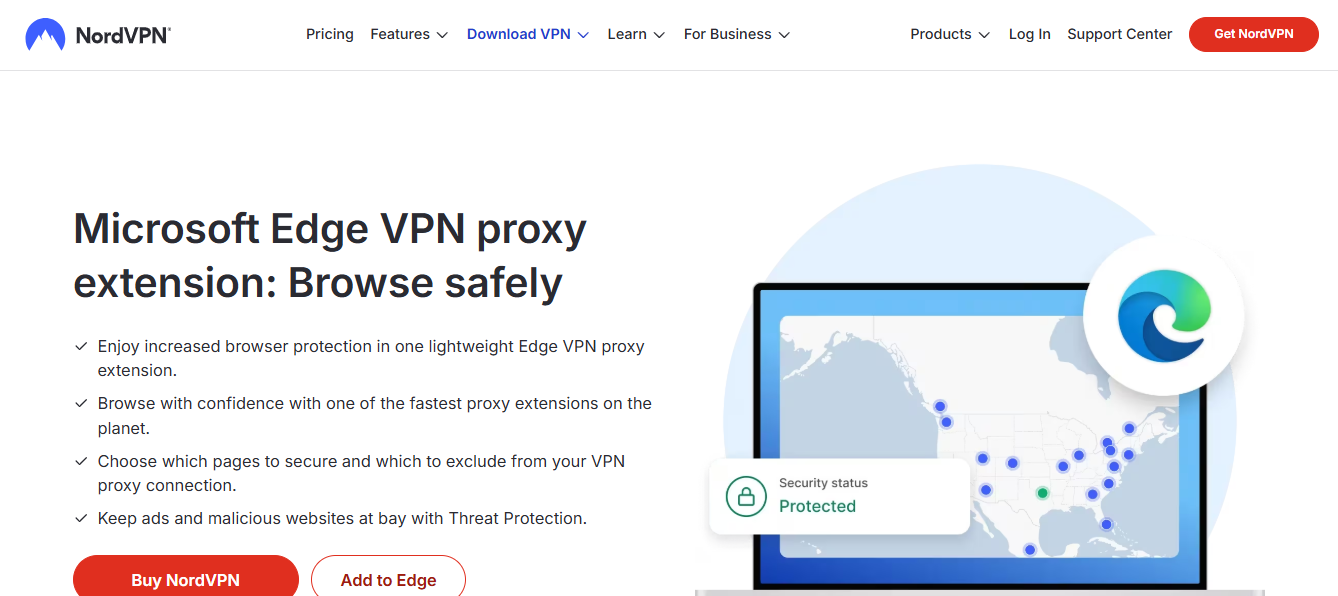
- Choose Extensions, then Open Microsoft Edge Add-ons
- Or go to Edge Add-ons store directly
Step 2: Search for a VPN extension
- Type “VPN” or the specific provider name e.g., NordVPN, ExpressVPN, Surfshark
- Review results and pick a trusted option. Check publisher and user reviews.
Step 3: Add to Edge
- Click “Get” or “Add to Edge”
- Confirm permissions requested by the extension
Step 4: Sign in and configure
- Open the extension from the toolbar
- Sign in with your provider account
- If required, select a server location or let the app optimize automatically
Step 5: Verify the connection
- Check the VPN status indicator in the extension
- Open a site like whatismyipaddress.com to verify your IP changed
- Run a quick speed test to understand performance impact
Basic Configuration Options and What They Mean
Server location
- Choosing a location changes your apparent geographic origin. Pick a country close to you for lower latency, or a country with content you want to access.
Auto-connect
- Some extensions offer auto-connect on startup or when on untrusted networks. If you often use public Wi-Fi, this can be handy.
Kill switch if available
- A kill switch blocks traffic if the VPN disconnects unexpectedly. This prevents data leakage.
DNS leak protection
- Ensures your DNS requests go through the VPN, not your ISP’s DNS. Most reputable extensions include this by default.
Protocols
- Some extensions expose protocol options OpenVPN, WireGuard, etc.. More modern protocols WireGuard typically offer better speed and security.
Hotkeys and UI
- Configure keyboard shortcuts for quick connect/disconnect. A clean, unobtrusive UI reduces distraction.
Security Considerations When Using Edge VPN Extensions
- Trust and verify: Use extensions from reputable providers with independent audits.
- Be mindful of data collection: Some free extensions log data; review the privacy policy.
- DNS leaks: Ensure DNS leak protection is enabled.
- Updates: Keep the extension updated to patch vulnerabilities.
- Edge browser security: A VPN extension isn’t a substitute for secure browsing practices. Use HTTPS, avoid suspicious sites, and enable additional protections like built-in trackers blocking when available.
Practical Scenarios: When to Use an Edge VPN Extension
- Accessing geo-restricted content while traveling
- Protecting your browser’s activity on public Wi-Fi
- Bypassing local network restrictions in a school or library where allowed
- Researching topics targeting different regions without revealing your identity
Performance Tips: Getting the Most from Your Edge VPN Extension
- Choose a nearby server to reduce latency
- Disconnect other heavy browser extensions that may consume bandwidth
- Avoid peak hours when servers are congested
- Use a wired connection when possible for stable speeds
- Run speed tests before and after connecting to gauge impact
Edge VPN Extension Troubleshooting
Common issues
- Connection failed or server unavailable
- Slow speeds or buffering
- DNS leaks
- Extension not loading or crashing
Troubleshooting steps
- Restart the extension and Edge
- Switch to a different server location
- Disable other extensions that could interfere
- Clear browser cache and cookies
- Reinstall the extension
- Check provider status pages for outages
When to seek support
- If you consistently experience DNS leaks or IP leaks, contact your VPN provider’s support for advanced troubleshooting or policy information.
Advanced Tips for Power Users
- Browser-only VPN vs system-wide VPN: If you need protection beyond Edge, consider a system-wide VPN.
- Split tunneling if supported: Route only certain sites through VPN while others stay on your regular connection.
- Browser profiles: Use separate Edge profiles—one with the VPN and one without for unblocked testing or multi-region research.
- Combine with privacy tools: Use privacy-focused search engines and blockers in combination with your VPN extension for stronger protection.
Comparison: Edge VPN Extensions vs Built-in Edge Security Features
- Edge provides tracking prevention and some privacy features, but a VPN extension adds IP masking and location switching.
- A full VPN client covers all apps, not just the browser, but requires more setup and can be heavier on devices.
Data Privacy and Legal Considerations
- Check local laws on VPN use and content access in your country or the country you’re pretending to be in.
- Some services may block VPN traffic or require subscription verification.
- Use VPNs responsibly: illegal activities should be avoided, and you should respect the terms of service of websites and streaming platforms.
Maintenance: Keeping Your Edge VPN Extension Secure Over Time
- Regularly review permissions and privacy settings
- Update the extension every time a new version is released
- Periodically test for DNS leaks and IP leaks
- Keep your Edge browser up to date to ensure compatibility and security
- Back up your VPN account credentials securely
Metrics and Data to Consider
- Latency ms with and without VPN
- Throughput Mbps when connected to various servers
- DNS leak test results
- IP address changes and consistency across sessions
- Privacy score from independent audits where available
Case Study: Using an Edge VPN Extension for Remote Work
- Scenario: A remote employee needs to access internal resources securely while traveling
- Approach: Install a reputable VPN extension, connect to a regional gateway, enable kill switch, and verify access to internal tools
- Outcome: Secure access with minimal impact on productivity; policy compliance maintained
Best Practices Summary
- Start with a reputable provider; avoid unknown or questionable extensions
- Enable DNS leak protection and kill switch if available
- Use the server location that balances access and performance
- Regularly review privacy settings and extension permissions
- Combine with safe browsing habits and HTTPS
Frequently Asked Questions
How do I install a VPN extension in Edge?
To install a VPN extension in Edge, open Edge Add-ons, search for a reputable VPN extension, click Add to Edge, and follow the prompts to sign in and configure settings.
Do VPN extensions affect all browser traffic?
Most VPN extensions affect only the traffic routed through the browser. For system-wide protection, use a full VPN client. Purevpn edge review 2026: features, performance, streaming, security, and pricing
Is a free VPN extension safe?
Free VPN extensions can be risky due to data collection or weaker security. If you choose a free option, read the privacy policy carefully and limit sensitive activity.
What is DNS leak protection?
DNS leak protection ensures DNS requests go through the VPN, preventing your real DNS from leaking to your ISP or local network.
Can I use a VPN extension on Edge for streaming?
Yes, many users use Edge VPN extensions to access streaming services from different regions. Check the service’s terms and whether the extension works well with it.
How do I verify my VPN is working?
Visit a site like whatismyipaddress.com or speedtest.net while the VPN is connected to confirm the IP address has changed and speeds meet your needs.
Will a VPN extension slow down my browsing?
Some slowdown is common due to encryption and distance to the server. Choose a nearby server and a fast provider to minimize impact. Proxy in edge: the complete guide to using proxies in Microsoft Edge with VPNs, setup tips, security, and performance 2026
Can I use multiple VPN extensions at once?
Running multiple VPN extensions at the same time can cause conflicts. Stick to one trusted Edge VPN extension per browser profile.
How can I improve streaming performance with a VPN extension?
Connect to a server that is geographically closer to you or choose servers optimized for streaming, and ensure DNS leak protection is enabled.
Are there any privacy risks with VPN extensions?
Yes, if the extension is from an untrusted provider, it may log data or expose vulnerabilities. Always pick well-known, audited providers and review their privacy policies.
Setup vpn extension for edge: how to install, configure, and optimize a VPN extension on Microsoft Edge for privacy, security, and streaming
Yes, you can set up a VPN extension for Edge in just a few steps. This guide will walk you through choosing a provider, installing the extension on Edge including how to use Chrome Web Store extensions if needed, configuring essential settings, and optimizing for speed, privacy, and reliable streaming. We’ll cover step-by-step installation, Edge-specific tips, common issues, and practical advice so you can stay private online without sacrificing too much speed. If you’re in a hurry, you can check out a trusted VPN deal here:
Useful resources for quick reference:
NordVPN - nordvpn.com
Microsoft Edge support - support.microsoft.com
Chrome Web Store - chrome.google.com/webstore
Edge Add-ons store -  .edge.microsoft.com/addons
VPN privacy basics - en.wikipedia.org/wiki/Virtual_private_network
DNS leak testing - dnsleaktest.com
Connection speed testing - speedtest.net
Introduction summary
- This guide explains how to install a VPN extension on Edge, including Edge-specific steps, how to switch between servers, and how to enable features like a kill switch and DNS protection.
- You’ll learn the difference between a VPN extension and a full VPN app, when to use each, and how to optimize for streaming, gaming, or everyday browsing.
- We’ll discuss compatibility with Edge Chromium-based and how to access extensions from the Edge Add-ons store or from the Chrome Web Store.
- You’ll find practical tips for privacy, security, and performance, plus troubleshooting steps for common issues.
- By the end, you’ll know exactly how to set up, test, and maintain your Edge VPN extension, plus a handy FAQ with quick answers.
What is a VPN extension for Edge and why use one?
- A VPN extension is a lightweight add-on that runs inside your browser, routing your browser traffic through a VPN server. It’s ideal for quick privacy boosts, bypassing geo-restrictions for browsing, or securing browser-based data on public Wi-Fi.
- Edge the Chromium-based version supports many Chrome extensions, so you can use a broad ecosystem of VPN extensions directly in Edge. This makes setup faster and simpler when you don’t want to install a full desktop app.
- A VPN extension complements, not always replaces, a full VPN app. For system-wide protection all traffic from your device, you might still want the standalone VPN app. If you mainly want to secure your browser traffic, the extension is often enough.
Key benefits
- Private browser sessions on public networks
- Bypass geo-restrictions for streaming and content access
- Protects against invasive trackers by masking IP address
- Easy on-device setup with straightforward toggles
- Works well with Edge’s built-in privacy features and tracking prevention
Choosing the right VPN extension for Edge
- Compatibility: Edge is Chromium-based, so most Chrome extensions work. Some providers offer Edge-specific builds or optimization for Edge performance.
- Privacy and logging: Look for a provider with a transparent no-logs policy, robust encryption AES-256, and a trustworthy privacy philosophy.
- Protocols: Many extensions support WireGuard or OpenVPN. WireGuard tends to be faster with modern hardware.
- Kill switch and DNS protection: Ensure the extension has a kill switch or DNS leak protection to prevent traffic from leaking if the VPN drops.
- Server network: A larger server network reduces latency and improves your odds of finding a fast, nearby server.
- Speed and streaming: If you’re watching content, verify the provider’s ability to access your preferred streaming platforms.
Step-by-step: Setup vpn extension for edge
Step 1: Pick a provider
- Start with a reputable provider known for Edge compatibility and strong privacy. Popular choices include NordVPN, ExpressVPN, Surfshark, ProtonVPN, and Windscribe. For the best balance of price, performance, and reliability, many users choose providers with robust Chrome/Edge extension ecosystems and live support.
- Quick tip: If you’re ever unsure about a provider’s performance on Edge, check recent user reviews and third-party speed tests for Edge traffic.
Step 2: Decide how you’ll install the extension
- Install from Edge Add-ons store: This is the most straightforward route. Open Edge, go to Edge Add-ons, and search for your VPN extension. Install, then sign in.
- Install from Chrome Web Store Edge workaround: Since Edge is Chromium-based, you can enable extensions from other stores. In Edge settings, allow extensions from other stores and then install the extension from Chrome Web Store. This gives you access to more VPN options.
- Desktop app vs browser extension: Some providers offer a full desktop app plus a browser extension. The browser extension handles browser traffic. the desktop app handles device-wide traffic. Decide based on your needs.
Step 3: Install the extension in Edge
- From Edge Add-ons store:
- Open Edge, go to edge://extensions or click the three-dot menu > Extensions > Get extensions from Microsoft Store.
- Search for the VPN extension and click Add to Edge.
- Confirm the permission prompts read and change data on websites, etc.. These prompts vary by extension but are necessary for traffic routing.
- From Chrome Web Store Edge:
- In Edge, visit edge://extensions, enable “Allow extensions from other stores.”
- Go to chrome.google.com/webstore, search for your VPN extension, and click Add to Chrome Edge will accept.
- Confirm the prompts to install.
- After installation:
- You should see the VPN extension icon in the Edge toolbar. Click it to sign in and begin using the service.
- Some providers require you to create an account if you don’t already have one.
Step 4: Sign in and configure settings
- Sign in with your VPN account credentials.
- Turn on the extension’s security features:
- Enable Kill Switch: This ensures that if the VPN disconnects, your browser won’t leak data.
- Enable DNS Leak Protection: Stops your ISP from seeing DNS queries and prevents leaks.
- Auto-Connect: Set the VPN to connect automatically on startup or when you join untrusted networks public Wi-Fi.
- Split Tunneling: If available, select apps or pages that should bypass the VPN while the rest uses the VPN connection. This is useful for streaming in HD while keeping other traffic local.
- Choose a server:
- For privacy, pick a server with a known privacy-friendly jurisdiction.
- For speed, pick a nearby server or a server optimized for your use case e.g., streaming or gaming.
- If you’re accessing region-locked content, switch to a server in the required country.
- Protocol selection:
- If the extension offers a protocol option, try WireGuard for speed and reliability. If you encounter issues, you can switch to OpenVPN or a different protocol the provider offers.
Step 5: Test your connection
- Verify your IP address and location using a test site like speedtest.net or whatismyip.com to confirm the VPN is active and showing the correct IP.
- Check for DNS leaks with a DNS leak test site. If the test shows the VPN’s DNS servers, you’re good. if not, re-check your DNS protection settings.
- Perform a small browser test by visiting geo-restricted sites where permitted to confirm the VPN is correctly routing traffic.
Step 6: Optimize for streaming, gaming, and everyday use
- Streamlining for video content:
- Use a server in the target region, clear your browser cache, and ensure the VPN’s split-tunneling doesn’t block streaming apps.
- For higher reliability, you might prefer a VPN with dedicated streaming servers and optimized routes.
- Gaming considerations:
- Choose a nearby server to minimize latency. enable auto-connect when you launch the browser or a game launcher.
- Privacy hygiene:
- Regularly update the extension and edge browser.
- Use Edge’s tracking prevention features in conjunction with your VPN for layered privacy.
Top VPN extensions for Edge in 2025
- NordVPN: Offers a strong balance of security features, a broad server network, and reliable Chrome/Edge extension support. Features include kill switch, DNS leak protection, and fast WireGuard-based servers.
- ExpressVPN: Known for fast speeds, robust security, and reliable unblocking capabilities for streaming services. The extension integrates with the Edge browser and provides a simple user experience.
- Surfshark: Great value with unlimited device connections, CleanWeb ad-blocker, and multi-hop options. The Edge extension is user-friendly and lightweight.
- ProtonVPN: Strong focus on privacy with a transparent no-logs policy and strong encryption. The Edge extension is straightforward and pairs well with their strong app.
- Windscribe: Generous free tier plus a Pro option, with solid privacy features and a practical Edge extension experience.
- Atlas VPN: Competitive pricing and solid performance. good for budget-conscious users who still want reliable protection.
Edge-specific tips and settings
- Edge privacy features: Combine Edge’s tracking prevention levels Basic/Balanced/Strict with a VPN extension for enhanced privacy. Higher prevention levels can sometimes interfere with page loading, so adjust as needed.
- DNS settings: If your VPN extension provides DNS protection, ensure it’s enabled to prevent DNS leaks. You can also use a private DNS service as a backup.
- Auto-connect and startup behavior: Set auto-connect to on for networks you don’t trust. For security, consider starting Edge with the VPN enabled on startup.
- Split tunneling best practices: Use split tunneling to allow non-sensitive traffic to bypass the VPN, such as your printer or IoT devices, while keeping your main browsing traffic protected.
- Browser performance: If you notice slower browsing, try a nearby server, disable unused extensions, or clear cache regularly.
Security considerations and privacy implications
- Privacy posture: A VPN extension improves browser privacy but doesn’t hide your activity from websites completely. Use it in conjunction with private browsing modes and good password hygiene.
- Logging and jurisdiction: Pick a provider with a clear no-logs policy and a favorable privacy jurisdiction. Be aware that some jurisdictions have legal requirements for data retention.
- Device-wide vs. browser traffic: If you need comprehensive protection for all apps and services on your device, install the desktop VPN app in addition to the browser extension.
- Public Wi-Fi safety: A VPN is particularly valuable on public networks to prevent snooping on sensitive data like login credentials.
Troubleshooting common issues
- VPN extension not connecting:
- Check your internet connection.
- Restart Edge and try again.
- Ensure the extension has proper permissions and is signed in.
- Try a different server or protocol.
- DNS leaks:
- Enable DNS leak protection in the extension.
- Clear DNS cache on your device and re-test.
- Extension disabled or unresponsive:
- Reinstall the extension.
- Disable conflicting extensions e.g., other privacy or security add-ons.
- Slow speeds:
- Switch to a nearby server. use the WireGuard protocol if available.
- Test on different networks to rule out local network issues.
Performance and speed optimization
- Server proximity: Choose servers physically closer to you for lower latency.
- Protocol choice: Persist with WireGuard or equivalent fast protocols. avoid legacy protocols if not necessary.
- Disconnect unused devices: VPNs can struggle when many devices are connected. disconnect devices you’re not using.
- Enable split tunneling carefully: Route only sensitive sessions through VPN to maximize speed for normal browsing.
- Regular updates: Keep the Edge browser, VPN extension, and OS up to date to benefit from performance and security improvements.
Mobile and cross-platform integration
- Many VPN providers support Edge on mobile browsers Edge for Android and iOS. The same steps apply: install the Edge extension from the appropriate store, sign in, and configure security features.
- If you rely on multiple devices, consider a provider that synchronizes your settings across devices so your preferred server and preferences persist.
Costs, deals, and free vs paid extensions
- Free VPN extensions exist, but they often come with restricted servers, slower speeds, and limited data. For reliable privacy, a paid plan is generally worth it.
- Paid plans often include: better speed, more servers, stronger encryption, and features like kill switch and DNS protection.
- Always evaluate value: if you’ll be using it frequently for streaming, gaming, or sensitive browsing, paid plans typically provide better performance and reliability.
FAQ: Frequently Asked Questions
Frequently Asked Questions
# Can I install a VPN extension on Edge?
Yes. Edge supports many Chrome-based VPN extensions, and you can install them from the Edge Add-ons store or the Chrome Web Store with the “allow extensions from other stores” setting.
# Do VPN extensions slow down my browser?
They can, but many modern VPN extensions are optimized for speed. To minimize slowdowns, choose nearby servers, use WireGuard where available, and enable auto-connect only on trusted networks.
# Is it safer to use a VPN extension or a full VPN app?
If you only need browser-level protection, a VPN extension is convenient. For device-wide protection across all apps, use a full VPN app. Some providers offer both and allow you to use them together.
# How do I test if my VPN extension is working in Edge?
Test by visiting whatismyip.com to confirm the IP shown is not your real IP and run a DNS leak test to ensure DNS queries are going through the VPN. Also check for regional access on geo-locked content if relevant.
# Can I use VPN extensions on Edge for streaming?
Yes, many streaming services work with Edge VPN extensions, but some platforms actively block VPN traffic. If you run into issues, switch servers or try a provider known for reliable streaming compatibility.
# What should I do if the VPN extension won’t install on Edge?
First, ensure you’re using the latest Edge version. If you’re installing from Chrome Web Store, make sure you enabled extensions from other stores. Reinstall the extension, and check for any browser security settings that block extensions.
# Is there a difference between Edge extensions and Chrome extensions?
Edge Chromium-based handles many Chrome extensions with little to no change. Some Edge-specific extensions may exist, but most Chrome extensions work well in Edge.
# How do I configure DNS protection in Edge VPN extensions?
Look for a DNS protection or DNS leak protection option in the extension’s settings and enable it. If your VPN offers a separate DNS service, you can configure your browser to use it.
# Can I use a VPN extension with the Edge browser on mobile?
Yes. Edge on iOS and Android supports extensions, though the exact extension availability may differ by platform. Check the Edge mobile store for compatible VPN extensions.
# What’s the best practice for privacy with Edge and VPN extensions?
Use a combination of Edge’s built-in privacy features tracking prevention and a reputable VPN extension with a solid no-logs policy, DNS protection, and a kill switch. Keep all software updated and practice good password hygiene.
If you’re ready to take your Edge browsing privacy to the next level, start with a trusted VPN extension from a reputable provider and follow the steps above. Remember, your online privacy is worth it, and a well-configured Edge VPN extension can make a real difference in how securely you surf the web.
Vpn加速器安卓在安卓设备上的全面评测与选购指南:提升网速、降低延迟、保护隐私的实用方案 Open vpn edgerouter 2026