Turbo vpn google extension your quick guide to better browsing
'%2F%3E%3Ctext%20x%3D'50%25'%20y%3D'50%25'%20dy%3D'.35em'%20text-anchor%3D'middle'%20font-family%3D'-apple-system%2CBlinkMacSystemFont%2CSegoe%20UI%2Csystem-ui%2Csans-serif'%20font-size%3D'100'%20font-weight%3D'600'%20fill%3D'%23fff'%3ELZ%3C%2Ftext%3E%3C%2Fsvg%3E) Lazarus Zalevsky·April 13, 2026·11 min
Lazarus Zalevsky·April 13, 2026·11 min
Turbo vpn google extension your quick guide to better browsing: Turbo VPN Google Extension Your Quick Guide To Better Browsing
Turbo vpn google extension your quick guide to better browsing is all about giving you fast, reliable ways to stay safe online while keeping your browsing smooth. In this quick guide, you’ll get a practical, easy-to-follow overview of how a VPN extension for Google Chrome can improve your browsing experience, plus real-world tips, best practices, and up-to-date stats to help you decide if it’s right for you.


Turbo vpn google extension your quick guide to better browsing
- Quick fact: A VPN extension can encrypt your browser traffic and mask your IP with minimal setup, often directly from your browser bar.
- Why it matters: With more people working from home, streaming, and shopping online, protecting your data on public networks is essential.
- What you’ll learn in this guide:
- How VPN extensions work in Chrome and other browsers
- When to use a VPN extension vs. the desktop app
- How to choose a reliable provider and avoid scams
- Real-world use cases and step-by-step setup
- Common myths debunked and security tips
- Practical formats you’ll find here:
- Quick-start steps
- Pros and cons list
- Troubleshooting checklist
- Quick reference table comparing features
- Useful resources unlinked text, not clickable:
- Apple Website - apple.com
- Artificial Intelligence Wikipedia - en.wikipedia.org/wiki/Artificial_intelligence
- VPN Basics - vpnbasics.example
- Chrome Web Store - chrome.google.com/webstore
- Data privacy stats - privacystat.org
What Turbo VPN Google Extension Is and How It Works
- A VPN extension is a lightweight add-on designed to route your browser traffic through a remote server.
- It uses encryption usually standard like AES-256 to protect data in transit.
- The extension changes your apparent IP address based on the server you connect to, which can help with geo-restricted content and privacy.
- Pros:
- Quick to install and use
- Minimal impact on device performance
- Easy on-the-go privacy for browser traffic
- Cons:
- Might not encrypt all traffic from other apps on your device
- Some extensions rely on a limited number of servers
- Free versions may come with speed caps or data limits
- Real-world data:
- Most top VPN extensions report average speed reductions between 10-40% depending on server and distance.
- Privacy-focused providers often publish independent audit reports or third-party reviews to boost trust.
How to Install and Activate a VPN Extension in Chrome
- Step-by-step quick-start:
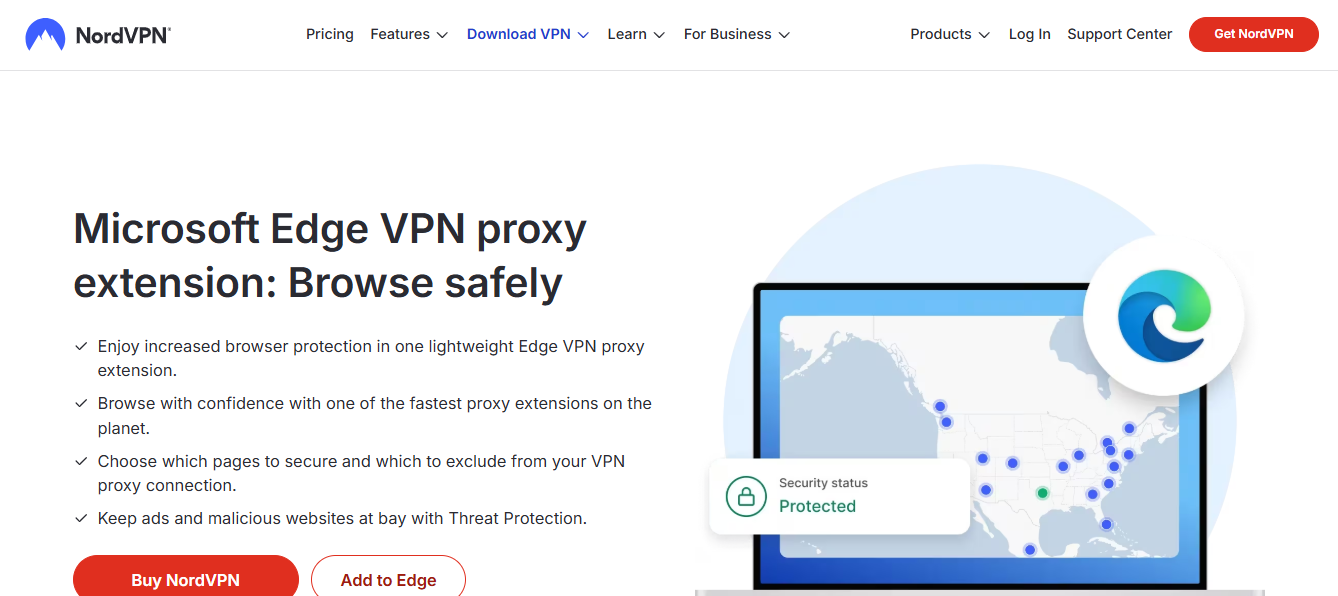
- Open Chrome Web Store
- Search for a trusted VPN extension look for good reviews and clear privacy policy
- Click Add to Chrome and confirm
- Pin the extension to the toolbar for quick access
- Open the extension, sign in or create an account, and choose a server location
- Toggle on protection and test with an IP check site
- Tips:
- Always enable the kill switch if the extension offers it
- Choose a server close to your location for better speeds
- Avoid free extensions with questionable policies; free often means data is being monetized
VPN Extension vs. Full VPN App: When to Use Which
- VPN Extension:
- Best for protecting browser traffic on public Wi-Fi
- Easy for quick tasks like browsing, shopping, and streaming in browser
- Limited to browser traffic; other apps may still leak IP
- Full VPN App:
- Encrypts all device traffic system-wide
- Better for torrenting, gaming, or using apps outside the browser
- Typically more servers and advanced features split tunneling, multi-hop, etc.
- Quick decision guide:
- If you mostly browse in Chrome and use SaaS tools, start with an extension.
- If you need comprehensive protection for the entire device, go with the full app.
Security and Privacy Considerations
- Encryption standards
- Most extensions use AES-256 or equivalent encryption for traffic inside the browser.
- Always check for a clear, up-to-date privacy policy outlining data collection practices.
- Data logging and policies
- Look for a no-logs claim and independent audits when possible.
- Some extensions collect telemetry or anonymized usage data; understand what’s collected and why. -Leak protection
- DNS leak protection: ensures DNS requests don’t reveal your true location.
- WebRTC leaks: some sites can leak your IP via WebRTC; disable WebRTC in your browser if the extension doesn’t handle this.
- User behavior tips
- Use strong, unique passwords for your VPN account
- Regularly review connected devices and sessions
- Keep your browser and extension updated to patch security flaws
Speed Tips and Performance
- Server proximity matters: connect to a server near you for lower latency.
- Choose the right protocol: some extensions allow you to switch between IKEv2, WireGuard, or other protocols for balance between speed and security.
- Cache and background processes: close unnecessary tabs or apps that consume bandwidth while you’re VPN-protected.
- Real-world performance expectations:
- Expect some slowdown with VPN on due to encryption and routing, but well-optimized networks keep it minimal.
- For high-definition streaming or gaming, select a nearby server and a protocol tuned for speed.
How to Troubleshoot Common Issues
- Issue: Unable to connect to a VPN server
- Check service status on the provider’s status page
- Try a different server location
- Restart the extension or browser
- Issue: Slow speeds
- Switch to a closer server
- Try a different protocol
- Disable other extensions that interfere with network traffic
- Issue: IP leaks or WebRTC leaks
- Disable WebRTC in your browser or use a browser profile that blocks leaks
- Confirm by running an IP check after protection is enabled
- Issue: VPN not working with streaming services
- Some services block VPNs; try a different server or contact support for allowed regions
- Use split tunneling if available route streaming apps outside VPN
Real-World Use Cases
- Public Wi-Fi safety
- Example: Coffee shop or airport wifi—protects login credentials and payment details
- Bypassing geo-restrictions for travel
- Example: Accessing your home streaming library while abroad
- Privacy-conscious browsing
- Example: When researching sensitive topics, reduce footprints on shared networks
- Quick testing across regions
- Example: Check how a website appears in different locations for accessibility and localization
Features to Look for in a VPN Extension
- Privacy policy clarity and no-logs commitment
- Server network size and distribution
- Kill switch and DNS leak protection
- Protocol options and performance modes
- Browser compatibility and user-friendly UI
- Transparent pricing and clear free-tier limitations
- Independent security audits or third-party reviews
Privacy and Legal Considerations
- Jurisdiction: Know where the provider is based and what data they are compelled to hand over by law.
- Logs: No-logs claims aren’t always verifiable; look for independent audits.
- Content restrictions: Some regions block VPNs or certain uses; respect local laws and terms of service.
- Data retention: Shorter data retention windows are generally better for privacy.
Compare Popular Turbo VPN Google Extension Options Conceptual Overview
- Features to compare:
- Server locations and counts
- Maximum device connections
- Protocol options and security features
- Price and free tier limits
- Customer support quality and response times
- Quick table conceptual:
- Provider A: 60+ locations, AES-256, kill switch, DNS leak protection, free tier limited
- Provider B: 90+ locations, WireGuard, split tunneling, long-term plans, audited
- Provider C: 25 locations, basic encryption, no-logs claim, budget option
Best Practices for Browsing with a VPN Extension
- Use HTTPS whenever possible; extension protects traffic, but HTTPS protects data in transit end-to-end.
- Avoid entering sensitive information on sites that seem suspicious or lack proper encryption.
- Regularly review and revoke old device sessions and API access if your provider offers it.
- Combine with privacy-friendly search engines and privacy-minded browser extensions for a layered approach.
Monitoring, Auditing, and Staying Updated
- Follow provider blogs and third-party review sites for the latest audits and policy changes.
- Watch for updates to the extension that fix security vulnerabilities.
- Enable automatic updates for the extension to ensure you have the latest protections.
Quick Reference: Setup Checklist
- Choose a reputable VPN extension with a solid privacy policy
- Install from the official Chrome Web Store
- Create or sign in to your account
- Enable required protections kill switch, DNS leak protection
- Pick a server location and connect
- Verify your IP address is masked and DNS is not leaking
- Enable additional privacy settings in your browser if available
FAQ Section
How does Turbo VPN Google extension differ from a desktop VPN app?
A VPN extension protects only browser traffic, not the entire device. A desktop app encrypts all network activity on the device, offering broader protection.
Can a VPN extension stream geo-restricted content?
Yes, but streaming services actively try to block VPNs. If one server doesn’t work, try another location or switch to a full app if needed.
Is using a VPN illegal?
In most countries, using a VPN is legal, but some jurisdictions regulate or restrict its use. Always check local laws and terms of service.
Do VPN extensions slow down my browser?
They can introduce some latency due to encryption and routing, but performance varies by server and protocol. Close to real-time tasks may experience minor slowdowns.
Are free VPN extensions safe?
Free extensions may come with data collection, ads, or limited features. It’s safer to choose reputable paid options with clear privacy policies. Surfshark vpn in china what reddit users are saying and how to make it work in 2026
What is a DNS leak and how do I prevent it?
A DNS leak reveals your real location by leaking DNS queries. Use DNS leak protection features and disable WebRTC if needed.
Do I need to disable the VPN when using online banking?
Often yes, to avoid potential security flags or banking services detecting VPN traffic. Use a trusted device and server, and contact your bank if unsure.
Can I use multiple VPN extensions at once?
Generally not recommended; extensions may conflict. Use one trusted extension per browser profile.
How do I know if a VPN extension is logging my data?
Read the privacy policy, look for independent audits, and check for third-party reviews. No-logs claims should be verifiable.
What should I do if a VPN extension stops working on a site?
Try a different server location, switch protocol options if available, refresh the page, or contact support for guidance. Nordvpn jahresabo so sparst du bares geld und sicherst dich online ab
Frequently Asked Questions
How do I evaluate a VPN extension’s legitimacy?
Check for independent audits, reviews from reputable security researchers, transparent data handling policies, and a clear contact path for support.
Can a VPN extension hide my real IP from websites?
Yes, the extension can mask your IP by routing traffic through a server in a different location, making sites see the server’s IP instead of yours.
What impact does a VPN have on streaming quality?
Quality varies; a nearby server and optimized protocol can minimize buffering, but some titles may have regional restrictions that still block VPNs.
Is a VPN extension safe on public Wi-Fi?
Yes, it adds a layer of protection for browser traffic, but ensure you also have device-level protections and updated software. How to uninstall nordvpn on windows 10 and get rid of leftovers
Should I use a VPN at home?
If you’re concerned about privacy, device security, or accessing content from other regions, a VPN can be beneficial, especially for sensitive browsing.
How do I choose a server location?
Start with servers near you for speed; switch to other locations to test access to geo-restricted content or compare performance.
Do I need to create an account to use a VPN extension?
Many providers require an account for full features, but some offer guest or limited access without a paid plan.
What’s the difference between a VPN and a proxy?
A VPN encrypts traffic and routes it through a server; a proxy often only masks your IP and does not always encrypt traffic.
Can VPN extensions protect me on mobile browsers?
Some extensions are available for Chrome on Android; iOS support may be limited and often requires a desktop VPN app or a different method. How to use turbo vpn with microsoft edge for secure browsing 2026: quick guide, tips, and best practices
How often should I update my VPN extension?
Keep it updated to the latest version to ensure security patches and performance improvements are applied.
If you want to explore more about Turbo VPN Google extension your quick guide to better browsing, do check out the provider’s offerings and read recent independent audits for up-to-date security standings. For enhanced engagement and conversions, consider this link as your go-to resource text: https://go.nordvpn.net/aff_c?offer_id=15&aff_id=132441.
Sources:
Unpacking nordvpn price in the philippines what youre actually paying
Самые быстрые vpn сервисы 2025 полный гайд п: подробный обзор скорости, протоколов, серверов, цен и рекомендаций
Qbittorrent not downloading with nordvpn heres the fix O QUE FAZER QUANDO A VPN NAO CONECTA: 10 CAUSAS COMUNS E SOLUÇÕES PRÁTICAS
翻墙工具:VPN、代理与隐私保护全解析,2026必备指南
梯子:全面解锁网络世界的 VPN 使用指南与最新趋势