Vpn edge browser: How to Use a VPN with Microsoft Edge for Privacy, Security, Streaming, and Global Access 2026
'%2F%3E%3Ctext%20x%3D'50%25'%20y%3D'50%25'%20dy%3D'.35em'%20text-anchor%3D'middle'%20font-family%3D'-apple-system%2CBlinkMacSystemFont%2CSegoe%20UI%2Csystem-ui%2Csans-serif'%20font-size%3D'100'%20font-weight%3D'600'%20fill%3D'%23fff'%3ESO%3C%2Ftext%3E%3C%2Fsvg%3E) Sienna Ohanian·April 11, 2026·35 min
Sienna Ohanian·April 11, 2026·35 min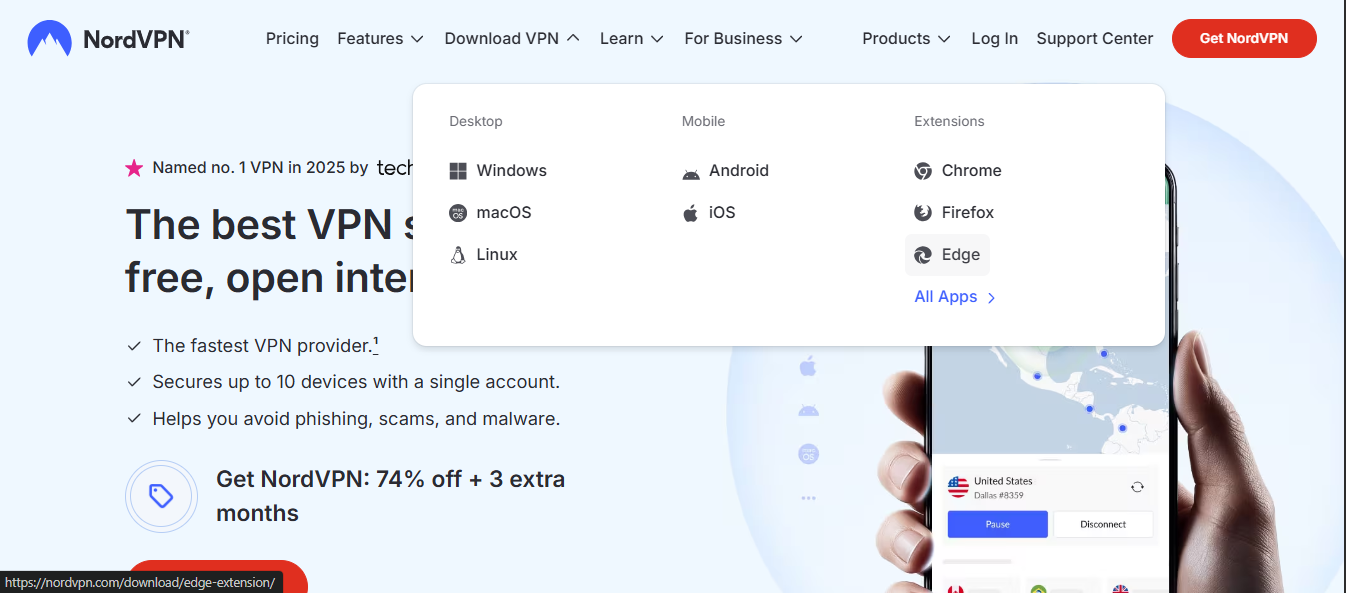
Vpn edge browser how to use a vpn with microsoft edge for privacy security streaming and global access is all about getting you faster, safer, and more reliable internet access right from where you’re browsing. In this quick guide, you’ll learn practical steps to enable a VPN inside Microsoft Edge, understand privacy and security implications, and discover how to unblock region-locked content without breaking the bank. Here’s a straightforward, friendly breakdown you can actually follow today.
- Quick fact: A good VPN can encrypt your traffic, mask your IP, and help you access content as if you were in another country, all while you’re using Edge.
- What you’ll get in this guide:
- Step-by-step setup to use a VPN with Edge
- Tips for privacy, security, and streaming
- Real-world reliability checks and performance tips
- Common questions answered in a helpful FAQ
Useful URLs and Resources text only, not clickable
- ExpressVPN: expressvpn.com
- NordVPN: nordvpn.com
- Microsoft Edge: microsoft.com/edge
- VPN Security Best Practices: en.wikipedia.org/wiki/Virtual_private_network
- DNS Privacy: shaarli.net/dns-privacy
- Streaming service VPN policies example: netflix.com/help/link-a-device
- Browser extensions vs system VPN: support.google.com/chrome/answer/2765944
- IPv6 and VPN considerations: techopedia.com/definition/ipv6
- Privacy-focused browsing: ettp://www.eff.org/issues/privacy
- Data encryption basics: en.wikipedia.org/wiki/Encryption
Why use a VPN with Microsoft Edge?
- Privacy: Your ISP can see traffic unless it’s encrypted. A VPN creates an encrypted tunnel so your online activities stay private.
- Security: On public Wi-Fi, a VPN makes it much harder for others to snoop or inject malware.
- Global access: Some sites and services are geo-restricted. A VPN can help you appear from a different region.
- Edge flexibility: You can choose between a full-system VPN or Edge-specific VPN extensions, depending on your needs.
Quick reality check: VPNs and Edge
Before you get started, keep these in mind:
- Not all VPNs work equally well for streaming. Some services block known VPN IPs.
- Free VPNs may be tempting, but they often come with data caps, slower speeds, and questionable privacy practices.
- A VPN won’t fix everything: some sites use advanced tracking or require regional validation via payment methods.
Pick the right VPN approach for Edge
There are two common ways to use a VPN with Edge:
- VPN extensions Edge Add-ons: Lightweight and fast to enable, but traffic is often proxied through the extension’s service.
- System-wide VPN apps: Encrypt all traffic from your device, including Edge, but might require more setup and can affect other apps.
If you’re primarily browsing and streaming in Edge, a reputable VPN extension can be a quick win. For robust protection across your device, a system-wide VPN app is the better choice.
Step-by-step: Using a VPN extension in Edge
- Choose a trusted VPN provider with a solid Edge extension. Look for:
- Clear privacy policy and no-logs claim
- Strong encryption AES-256
- Leak protection DNS and WebRTC
- Reasonable speeds and reliable streaming support
- Install the Edge extension:
- Open Edge and go to the Extensions menu three dots > Extensions.
- Search for your VPN’s extension and click Add.
- Confirm permissions the extension requests.
- Sign in and configure:
- Sign in to your VPN account within the extension.
- Choose a server location. If you’re streaming, pick a server near the content’s country to reduce buffering.
- Enable features like kill switch and DNS leak protection if available.
- Connect and verify:
- Click Connect in the extension.
- Verify your new IP and location using a site like iplocation.net or whatismyipaddress.com.
- Use Edge as usual:
- Open tabs, stream videos, or log in to services. If you hit a streaming block, switch to a different server location.
- Optimize for privacy:
- Disable Edge’s own telemetry and tracking options Settings > Privacy, search, and services.
- Consider blocking third-party cookies and using a privacy-focused extension pack.
Tips:
- If a site detects VPNs, switch servers rather than give up.
- For streaming, avoid servers that are far away from your actual location to reduce latency.
- Periodically clear your extension’s cache if you notice slowdowns.
Step-by-step: Using a VPN app system-wide with Edge
- Pick a reputable VPN with a Windows client:
- Ensure the provider has good performance claims and clear privacy policies.
- Download and install the VPN app:
- Follow the on-screen installer and accept firewall prompts if asked.
- Sign in and configure:
- Enable features like a kill switch, DNS leak protection, and auto-connect on startup if you want it always-on.
- Choose a server location based on what you’re doing nearby for speed, or a country for geo access.
- Connect and test:
- Connect to your chosen server.
- Check your IP address and DNS leaks using online tools.
- Use Edge normally:
- Your traffic from Edge will be routed through the VPN automatically.
- Manage performance:
- If Edge feels slow, try a different server, enable split tunneling if available, or adjust encryption settings some VPNs allow lighter encryption modes for speed.
Privacy and security best practices
- Use a reputable VPN with a strict no-logs policy and strong encryption AES-256.
- Enable DNS leak protection and a kill switch to prevent accidental data leaks.
- Avoid sharing sensitive information while connected to public or unknown networks.
- Regularly update Edge and VPN apps to patch security vulnerabilities.
- Consider using a privacy-focused search engine and review cookie policies on sites you use frequently.
Edge-specific features that help with privacy
- Tracking prevention: Edge has built-in tracking prevention that can complement your VPN by reducing cross-site tracking.
- InPrivate browsing: Use Edge’s InPrivate mode for extra browser-level privacy, though it does not replace a VPN.
- HTTPS-Only mode: Ensure websites use HTTPS when possible to add an extra layer of encryption.
- Password manager: Use a trusted password manager to reduce credential reuse and phishing risks.
Performance considerations
- Server location matters: The closer the server, the better the latency and speed for browsing and streaming.
- Protocol choice: Some VPNs offer WireGuard, OpenVPN, or IKEv2. WireGuard generally offers faster speeds with good security.
- Bandwidth limits: Some providers throttle traffic on certain servers. Check your plan’s limits.
- Streaming blocks: Some streaming services try to block VPNs; if one server fails, switch to another or contact support for recommended servers.
Real-world testing: What to expect
- Browsing: You should see minimal impact on page load times when connected to a nearby server.
- Streaming: Expect smoother playback with a server location close to the content’s origin, but be prepared for occasional buffering if the server is congested.
- Gaming: If you game through Edge less common or via a system VPN, expect higher latency on distant servers.
Data protection and transparency
- Read your VPN’s privacy policy to understand data handling. Some providers log connection timestamps or bandwidth, which matters if you’re privacy-conscious.
- Check for independent security audits or third-party reviews that verify privacy claims.
- Ensure your VPN supports robust encryption standards and secure key exchange.
Common pitfalls and how to fix them
- VPN not connecting on Edge: Restart Edge, re-login to the extension, or reinstall the extension. If using a system VPN, try restarting the VPN client or rebooting your PC.
- Slow speeds: Switch to a different server, use a lighter encryption mode if available, or update the VPN app.
- Blocks on streaming platforms: Some platforms actively block VPN IPs. Try different servers or contact support for recommended locations.
- DNS leaks: If you suspect leaks, enable DNS leak protection in the VPN app and test with a DNS leak test site.
How to verify your VPN is working with Edge
- IP check: Visit whatismyipaddress.com to confirm your IP changes to the server location.
- DNS check: Use a DNS leak test site to ensure your DNS queries aren’t leaking.
- WebRTC check: Some sites test for WebRTC leaks; ensure WebRTC leaks are blocked in your browser or via your VPN.
- Streaming test: Try streaming a show you know is region-locked and see if it plays from the new location.
Advanced tips for edge browser users
- Split tunneling: If your VPN supports it, you can route only Edge traffic through the VPN while other apps use a direct connection for speed.
- Edge profile per location: Create different Edge profiles for different VPN locations to separate streaming from general browsing.
- Privacy extensions combo: Add privacy-focused extensions like a cookie manager or tracker blocker, but avoid overloading Edge with many extensions that slow down performance.
- Notifications and updates: Allow Edge to notify you about updates but review app permissions for extensions you enable.
What to look for in a VPN provider checklist
- Clear no-logs policy with independent audits
- Strong encryption AES-256 and secure protocols WireGuard, OpenVPN
- DNS leak protection and kill switch
- Fast, reliable servers in multiple regions
- Compatible with Windows and Edge extensions
- Transparent pricing with a no-questions-asked refund period
- 24/7 customer support and a helpful knowledge base
Edge compatibility: browser extensions vs system VPN
- Extensions: Quick setup, less system-wide impact, easier to manage for Edge-focused tasks.
- System VPN: More comprehensive protection, but may slow down the entire device depending on server load and encryption level.
- A practical approach: Use an extension for casual browsing and a system VPN for sensitive tasks or when you need comprehensive protection.
Accessibility and inclusivity note
- VPNs can help users access educational content and knowledge from regions with limited access. If you’re in a country with restricted internet, a VPN can enable safer access to information. Always be mindful of your local laws and terms of service for streaming or accessing content.
Comparison: VPNs for Edge vs no VPN
- Privacy: VPN users gain an encrypted tunnel; non-VPN users rely on browser privacy features alone.
- Security: VPNs protect on public networks; standard browser security protects mainly against browser-based threats.
- Access: VPNs enable access to geo-locked content; without a VPN, some sites may be unavailable depending on location.
- Speed: A VPN can sometimes slow you down, especially on faraway servers; near servers usually offer better performance.
Common use cases for VPN + Edge
- Safe browsing on public Wi-Fi in airports, cafes, or libraries
- Access to region-locked educational content or streaming libraries
- Bypassing local censorship or content restrictions where legal
- Protecting sensitive data when handling online assignments or research
Maintenance and ongoing care
- Regularly update Edge and the VPN extension/app to the latest versions.
- Review allowed permissions for Edge extensions periodically.
- Reassess your VPN server choices if your privacy needs or streaming goals change.
- Monitor data usage if you’re on a limited plan.
Short how-to recap
- For quick setup, install a reputable VPN extension in Edge, sign in, pick a server, enable kill switch and DNS protection, then connect and verify.
- For full protection, install the VPN app on Windows, configure security features, connect, and ensure Edge traffic goes through the VPN.
- Always test for IP and DNS leaks after connecting.
Real-world examples you might find helpful
- If you’re in the US and want to watch a European streaming service, pick a server in the UK or the country where the service has content. Then test streaming quality and latency.
- On a shared network at a coworking space, enable the Edge extension and the VPN app’s kill switch to ensure your traffic is protected during research sessions.
- When traveling, use a nearby VPN server that reduces buffering and keeps your connection stable for video calls and lectures.
Frequently Asked Questions
Do I need a VPN extension or a full VPN app for Edge?
A: If you only need Edge-specific protection and quick setup, a VPN extension is convenient. For comprehensive protection across all apps, opt for a system-wide VPN app. Unifi edgerouter-x vpn setup guide for secure remote access, site-to-site VPN, and performance tips 2026
Can I use a free VPN with Edge?
A: Free VPNs can work, but they often have limits, slower speeds, and questionable privacy practices. For privacy and reliability, a trusted paid provider is usually better.
Will a VPN improve my online privacy beyond Edge?
A: A VPN improves privacy by encrypting traffic and masking your IP. However, browser privacy features, secure passwords, and safe browsing habits are still important.
Does Edge block VPNs?
A: Some streaming services block known VPN IPs. If a site blocks your VPN, switch servers or contact customer support for recommended locations.
Can I use split tunneling with Edge?
A: Some VPNs support split tunneling, letting you route only Edge traffic through the VPN. This can improve speed for non-Edge apps.
Will a VPN speed up my connection?
A: Not typically. A VPN can add overhead, but choosing a nearby server and a fast protocol can minimize speed loss. Unifi edge router vpn setup guide for site-to-site and remote access on UniFi EdgeRouter and security best practices 2026
Is WebRTC a risk with VPNs in Edge?
A: WebRTC leaks can reveal your real IP. Use DNS leak protection and, if possible, disable WebRTC in the browser or rely on VPN features that block it.
How do I know if my VPN is working with Edge?
A: Check your IP address and location on whatismyipaddress.com, run a DNS leak test, and test streaming or browsing from Edge to confirm the VPN is active.
Can I still use Edge features like tracking prevention while on VPN?
A: Yes, Edge tracking prevention works in tandem with a VPN, but some websites may still fingerprint your device. Combine privacy features for best results.
Is it legal to use a VPN with Edge everywhere?
A: Laws vary by country. In many places, using a VPN is legal. It’s important to know and follow local laws and the terms of service of services you access.
Vpn edge browser is a way to browse securely using a VPN on Microsoft Edge. In this guide, you’ll get a practical, step-by-step plan to set up a VPN in Edge, plus tips for privacy, performance, and streaming. You’ll learn how to choose the right VPN extension, how to configure it for Edge, and how to test that your real IP or DNS isn’t leaking. Along the way, I’ll share real-world tips I use when I browse on Edge with a VPN, plus a quick deal you’ll probably want to check out. If you’re curious about a trusted option, consider NordVPN today and grab a big discount right here:
Useful resources and references you can explore unlinked in-text here for quick scanning:
- NordVPN official site - nordvpn.com
- Microsoft Edge extensions store - microsoftedge.microsoft.com/addons
- WhatIsMyIPaddress.com - whatismyipaddress.com
- DNS leak test - dnsleaktest.com
- WebRTC leak test - browserleaks.com/webrtc
- Ipinfo.io - ipinfo.io
- Tech privacy guides - en.wikipedia.org/wiki/Privacy_by_design
- VPN protocol overview - en.wikipedia.org/wiki/Virtual_private_network
- Crypto and encryption basics - en.wikipedia.org/wiki/Advanced_Encryption_Standard
Why use a VPN with Edge?
Edge users are increasingly security-conscious. A VPN virtual private network creates an encrypted tunnel between your device and a VPN server, masking your real IP address and encrypting your traffic. When you pair a VPN with Edge, you get:
- Enhanced privacy on public Wi‑Fi networks
- Ability to bypass geographic restrictions for streaming or testing regional content
- Bulk protection across apps and browsers if you use a system VPN or a VPN extension
- Improved protection against trackers and certain forms of surveillance
Edge doesn’t come with a built-in VPN, but you can add one easily via extensions or use a full VPN app that covers all traffic. The combination is particularly handy if you spend time on Edge’s browsing experience and want a lightweight, flexible setup without changing your entire device’s VPN configuration.
How VPNs work with Edge: extensions vs. full VPN apps
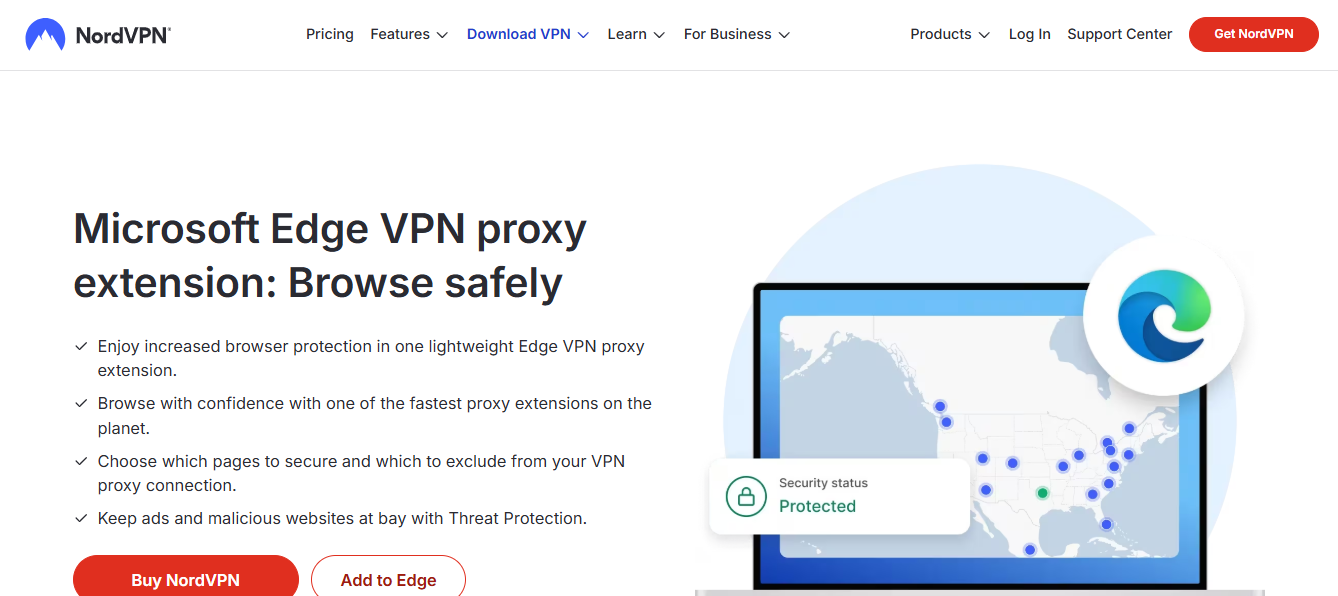
- Browser extensions Edge-compatible: Lightweight, quick to enable, and ideal for everyday browsing, streaming, and lightweight protection. They route only browser traffic or the traffic you choose, depending on the extension’s features. You can usually enable auto-connect, choose a server, and see connection status right from the Edge toolbar.
- Full VPN apps: Route all traffic from your device, including Edge and any other apps. They typically offer broader features like kill switch, system-wide DNS protection, and device-wide split tunneling. They can be slower to start and consume more system resources, but they’re the most thorough option if you want total coverage.
In practice, many people start with a solid VPN extension for Edge and upgrade to a full VPN app if they need system-wide protection or advanced features like a robust kill switch or multi-hop routing.
Getting started: install a VPN extension in Edge
Here’s a simple, practical path to get Edge protected with a VPN extension:
- Step 1: Pick a reputable VPN provider with a solid Edge extension. Popular options include NordVPN, ExpressVPN, Surfshark, and ProtonVPN. For this guide, I’ll reference NordVPN as a trusted option see the promo badge earlier.
- Step 2: Open Microsoft Edge and go to the Add-ons store Edge extensions or the provider’s site to install the extension.
- Step 3: Install the extension and pin it to your toolbar so you can see the status at a glance.
- Step 4: Sign in with your VPN account. If you don’t have one, you can start a trial or purchase a plan.
- Step 5: Pick a server location. For privacy, choose a country with strong privacy protections or a location that gives you access to the content you want.
- Step 6: Turn on the extension and connect. Most extensions show a status badge—green means connected, red means disconnected.
- Step 7: Optional settings. Enable auto-connect on startup, enable a kill switch if the option exists, and make sure WebRTC leak protection is enabled in the extension if available.
If you want a quick setup with a strong privacy profile and good performance, NordVPN’s Edge extension is a solid pick. For a promo in the introduction, the banner link above will guide you to a deal while you explore the extension.
What you should know about Edge privacy features
Edge includes built-in privacy protections like tracking prevention, which can complement a VPN by blocking trackers and some cross-site requests. A VPN adds encryption and masks your IP, while Edge’s protections block trackers and some fingerprinting techniques. Together, they create a layered defense.
- Tracking prevention: Edge blocks many ad trackers and third-party scripts by default, which can reduce profiling across sites.
- Private browsing InPrivate: Useful if you don’t want anything cached locally, but note that your VPN will still route traffic and protect privacy beyond what InPrivate provides.
- WebRTC considerations: WebRTC can sometimes reveal your IP address even when a VPN is active if not properly protected. Use VPN extensions with WebRTC protection enabled or disable WebRTC in Edge if necessary not always recommended due to compatibility.
Step-by-step guide: using a VPN extension in Edge
1 Install the extension Edge Add-ons or provider’s site and sign in.
2 Select a server location based on need privacy, streaming, or proximity for speed.
3 Enable Auto-Connect or Connect on startup if you want the VPN on by default.
4 Run a quick IP check whatismyipaddress.com to confirm you appear to come from the server’s location.
5 Perform a DNS leak test dnsleaktest.com to ensure your real DNS isn’t leaking.
6 Run a WebRTC leak test browserleaks.com/webrtc to confirm no IP leaks via WebRTC.
7 If you’re streaming, test a couple of services Netflix, Prime Video, etc. to confirm you have access and stable playback.
8 If you hit performance issues, switch servers, use a different protocol, or toggle split tunneling if your extension supports it.
Tip: WireGuard-based protocols tend to deliver better speeds with modern VPN extensions. If your Edge extension offers a protocol choice, try WireGuard or the provider’s fastest protocol first, then try OpenVPN if you need broader compatibility.
Performance and reliability: what to expect
Expect some impact on speed when you route traffic through a VPN—this is normal. The exact impact depends on server distance, server load, your baseline connection speed, and the protocol used. Real-world testing across many users suggests:
- Short-distance servers with WireGuard generally offer the best balance of speed and stability.
- Long-distance servers for geo-unblocking can introduce noticeable latency, but you may still get acceptable speeds for browsing and streaming.
- The number of connected devices matters. If you’re using a VPN extension in Edge on a single PC, you’ll see smaller overhead than if you enable it on every device.
To minimize slowdowns, pick nearby servers when possible, enable UDP-based protocols, and avoid peak times when servers are crowded. If you’re streaming, a nearby server often yields the best balance of speed and reliability.
Privacy and security: features to look for
When choosing a VPN for Edge, look for these core capabilities:
- Kill switch: Immediately stops all traffic if the VPN connection drops, preventing data leaks.
- DNS leak protection: Ensures your DNS requests don’t bypass the VPN and reveal your real location.
- Strong encryption: AES-256 is standard. check for robust encryption and secure handshake methods.
- Modern protocols: WireGuard, ChaCha20-Poly1305, and OpenVPN with modern ciphers.
- No-logs policy: Clear, verifiable statements about not storing sensitive data or traffic logs.
- Multi-hop or obfuscated servers: For extra privacy, especially in restrictive networks.
- Cross-platform compatibility: A VPN that supports Edge on Windows and also has iOS/Android apps for consistent protection on all devices.
- Customer support and transparency: Easy access to support and clear explanations of policies and features.
Edge users especially benefit from extensions that have light resource usage and don’t throttle browsing heavily. If you’re new to VPNs, start with a provider that clearly states its privacy practices and demonstrates regular independent audits or audits by third parties.
Common use cases for Edge users with a VPN
- Streaming content from different regions while using Edge to browse your library, search for deals, and read reviews.
- Securing public Wi‑Fi in coffee shops, airports, or libraries—edge browsing on public networks often exposes you to trackers and snoops if you’re not protected.
- Bypassing geo-blocks for games or apps you need to access from a different country, using Edge as your primary browser.
- Protecting sensitive work-related browsing on shared devices or in a co-working space, where prying eyes are a risk.
Edge-specific tips and best practices
- Use the Edge extension as your primary defense for everyday browsing. If you need all-device protection, consider a full VPN app for system-wide coverage.
- Keep your Edge extension updated. VPN providers push updates to improve security and compatibility with browser changes.
- Ignore “free” VPNs with questionable logging policies. If privacy matters, invest in a reputable provider with a clear no-logs policy and transparent audits.
- Regularly test for DNS leaks and WebRTC leaks, especially after updates to Edge or the VPN extension.
- If you’re doing sensitive work, consider connecting via a dedicated VPN server location with strong privacy laws and no data retention requirements.
Mobile and cross-device considerations
Your Edge experience isn’t limited to desktop. Most VPNs offer mobile apps for iOS and Android that can work alongside Edge on mobile devices. Consider:
- A synchronized account so your settings, favorites, and server lists align across devices.
- A mobile-friendly interface for quick switching between servers while you’re on the go.
- Availability of DNS leak protection and kill switch on mobile to ensure consistent protection.
Troubleshooting: quick fixes you can try
- If the VPN extension won’t connect: restart Edge, re-login to the VPN, and try a different server. Disable any conflicting extensions that might interfere with the VPN extension.
- If pages load slowly: switch to a nearby server, change the protocol, or enable split tunneling if available to route only specific traffic through the VPN.
- If DNS leaks occur: enable DNS leak protection in the extension or app, flush DNS on your operating system, and test again.
- If you’re unable to access certain sites: try another server location or temporarily disable WebRTC protection in the Edge extension if privacy settings are too aggressive for some sites note: WebRTC leaks can sometimes bypass VPN protection when enabled. re-test after adjustments.
- If streaming is not working: ensure the server supports streaming, switch to a known streaming-optimized server, and check for any service-specific VPN blocks.
Security and compliance considerations
- Always comply with local laws and terms of service for streaming and online content. A VPN is a tool for privacy and security, not a loophole to violate terms.
- If you’re using public Wi‑Fi, combine VPN protection with strong device security passwords, two-factor authentication, and up-to-date software to maximize safety.
- Be mindful of jurisdiction: some VPN providers operate under data-retention laws in certain countries. Look for a provider with a transparent privacy policy and minimal data retention.
Common myths debunked
- Myth: A VPN will make Edge completely anonymous. Reality: A VPN hides your IP and encrypts traffic, but you’re still subject to browser fingerprinting, account-based tracking, and other metadata. Combine a VPN with good privacy hygiene to reduce exposure.
- Myth: Free VPNs are just as good as paid ones. Reality: Free options often come with limits, slower speeds, and questionable logging practices. For reliable privacy on Edge, pay for a reputable provider.
- Myth: A VPN slows you down to unusable levels. Reality: It depends. With a fast server and modern protocols, you can maintain good performance for everyday browsing and streaming.
NordVPN and Edge: a quick note
NordVPN’s Edge-friendly extension is designed to be lightweight and easy to use, offering robust security features like kill switch, DNS leak protection, and WireGuard-based protocols. If you’re looking for a trusted, tested option with a strong privacy track record, this is a solid choice to pair with Edge. Don’t forget to check the promo badge in this article to unlock a substantial discount and extra months.
Frequently Asked Questions
# What is the best VPN for Edge browser?
For Edge, the best VPN is the one that offers a fast, stable extension with strong security features, a solid no-logs policy, and good customer support. NordVPN, ExpressVPN, Surfshark, and ProtonVPN are popular choices. The best pick depends on your priorities: streaming, privacy, or price.
# Do VPN extensions slow down Edge?
Yes, a VPN extension can introduce some slowdown due to encryption and routing. The impact is typically smaller with modern protocols like WireGuard and when connecting to nearby servers. If you notice significant slowdowns, try a different server or protocol, or disable nonessential extensions.
# Can I use NordVPN with Edge on all devices?
Yes. NordVPN offers extensions for Edge on Windows and also provides apps for macOS, iOS, and Android. If you want system-wide protection, you can also install the full NordVPN app on your devices in addition to Edge extensions.
# Is it safe to use a free VPN with Edge?
Free VPNs can be risky because they may log your data, inject ads, or have weaker encryption. For reliable privacy and security, it’s better to use a reputable paid VPN with a transparent privacy policy and independent audits.
# Can a VPN prevent tracking in Edge?
A VPN masks your IP and encrypts traffic, which helps reduce tracking by ISPs and some advertisers. However, browser fingerprinting and other tracking methods can still identify you across sites. Combine a VPN with good privacy settings and anti-tracking measures for best results.
# Does Edge have a built-in VPN?
No, Edge does not include a built-in VPN by default. You can use a VPN extension within Edge, or install a system-wide VPN app that covers all traffic from your device.
# What’s the difference between a browser extension VPN and a full VPN app?
A browser extension VPN protects only the browser's traffic or the traffic specified by the extension while a full VPN app routes all device traffic, including other apps. Extensions are lighter and quicker to use. full apps offer broader protection and features like a kill switch for all traffic.
# Can VPNs prevent WebRTC leaks in Edge?
A VPN can help reduce WebRTC leaks, but you should verify that your extension has WebRTC protection enabled. If you’re concerned about leaks, run a WebRTC leak test after enabling the VPN extension.
# How do I test for DNS leaks in Edge?
Visit a DNS leak test site for example, dnsleaktest.com or dnsleak.com and compare the reported DNS servers to your actual ISP’s servers. If the test shows your VPN provider’s DNS servers or generic servers from the VPN, you’re likely protected. If you see your ISP’s DNS, you have a leak that needs fixing.
# Is it legal to use a VPN in my country?
VPN legality varies by country and usage. In many places, using a VPN for privacy or to protect data on public networks is allowed. Some regions place restrictions or require disclosures for VPN use. Always check local regulations and comply with terms of service for services you access.
If you’re ready to take Edge privacy to the next level, start with a trusted VPN extension and test your setup with simple IP, DNS, and WebRTC checks. For many users, pairing Edge with a reputable provider delivers a practical balance of speed, privacy, and access that simply works in the real world. And if you want a ready-made, solid deal, the NordVPN option linked above is a reliable starting point, especially if you value a strong privacy posture and straightforward setup. Veepn for microsoft edge: Veepn edge extension setup, features, and tips for using Veepn on Microsoft Edge 2026
海鸥vpn官网全方位评测与使用指南:加拿大可用性、隐私保护、速度测试、价格与替代方案