Free browser vpn edge: what it is, how to use it safely, and when to choose a full VPN 2026
'%2F%3E%3Ctext%20x%3D'50%25'%20y%3D'50%25'%20dy%3D'.35em'%20text-anchor%3D'middle'%20font-family%3D'-apple-system%2CBlinkMacSystemFont%2CSegoe%20UI%2Csystem-ui%2Csans-serif'%20font-size%3D'100'%20font-weight%3D'600'%20fill%3D'%23fff'%3ENB%3C%2Ftext%3E%3C%2Fsvg%3E) Nyle Birchwood·April 11, 2026·19 min
Nyle Birchwood·April 11, 2026·19 min
Free browser vpn edge what it is how to use it safely and when to choose a full vpn — a practical guide for everyday browsing
Free browser vpn edge what it is how to use it safely and when to choose a full vpn — quick summary: a free browser-based VPN can mask your IP and encrypt browser traffic, but it often comes with limits or privacy caveats. If you’re just trying to unlock a regional video or shield a single browser session, it might help. If you’re handling sensitive data, you’ll probably want a full VPN service with a clear privacy policy. Here’s a compact guide to help you decide, with practical steps and tips.
- Quick fact: Browser VPNs typically protect only the browser, not your entire device.
- What you’ll learn:
- The difference between a free browser VPN edge and a full VPN
- How to use a browser VPN safely
- When to upgrade to a paid full VPN
- Real-world stats and what to look for in a provider
- Tools and formats you’ll find here:
- Step-by-step setup checklists
- Pros/cons lists
- Quick comparison table
- FAQ at the end
Useful resources text only Apple Website - apple.com Artificial Intelligence Wikipedia - en.wikipedia.org/wiki/Artificial_intelligence TechRadar VPN guide - www.techradar.com/vpn CNET VPN guides - www.cnet.com/vpn EFF Privacy Badger - www.eff.org/privacybadger Best VPN 2026 - www.bestvpn.com Mozilla Privacy - foundation.mozilla.org
What is a free browser VPN edge
- A free browser VPN is a lightweight tool that routes only the traffic from a specific browser through a remote server.
- “Edge” in this context often refers to built-in or extension-based solutions that work within Microsoft Edge or generic edge-friendly extensions.
- Key idea: your IP appears as coming from the VPN server, and browser data is encrypted while in transit.
How it works and what it covers
- Encryption scope: usually secures HTTPS traffic and hides your IP in the browser context.
- Scope of protection: system-wide vs. browser-wide. Free browser VPNs are mostly browser-wide.
- Data handling: many free options log some data to support the service; read the privacy policy carefully.
Common benefits
- Bypass simple geo-restrictions for streaming or sites that block your location.
- Quick setup, no hefty price tag.
- Basic protection on public Wi-Fi for browser traffic.
Common drawbacks
- Data limits: free versions often cap daily or monthly data.
- Speed throttling: many services slow you down after a data cap.
- Privacy concerns: some free options monetize user data or show ads.
- Browser-only protection: other apps on your phone or computer aren’t shielded.
When to use a free browser VPN edge
- Light, casual browsing where you just want to mask your location in a single browser.
- Quick testing for geolocation-based content e.g., checking a site’s layout in another country.
- Public Wi-Fi scenarios, where you’re not handling sensitive info in the browser.
When to skip and choose a full VPN
- You’re handling sensitive data: banking, work logins, medical records.
- You need device-wide protection: all apps, not just your browser.
- You want consistent speeds and robust privacy practices no data logging.
- You want reliable kill-switch, DNS leak protection, and multi-hop options.
- You want advanced features: split tunneling, malware protection, and ad blocking across all apps.
How to choose a free browser VPN edge safely
- Check the privacy policy: look for data collection specifics, retention periods, and whether they sell data.
- Look for a no-logs claim and independent audits, if possible.
- Review data limits and speed: know your bandwidth cap and typical speeds.
- Consider security features: strong encryption AES-256, secure protocols OpenVPN, WireGuard-based, and a kill switch.
- Be wary of embedded ads or trackers in free extensions.
- Test for DNS leaks and IP leaks using reputable tests e.g., dnsleaktest.com, ipinfo.io.
- Compare with paid options: even modest paid plans often improve privacy and performance.
How to use a free browser VPN edge safely step-by-step
- Pick a reputable free browser VPN extension with clear policies.
- Install from the official store or vendor site to avoid counterfeit extensions.
- Read the permission requests; if it asks for more than necessary, reconsider.
- Activate the VPN before you start sensitive browsing.
- Run a quick IP and DNS leak test after activation.
- Monitor data usage to avoid hitting caps; close tabs that aren’t essential.
- Disable the extension when you’re done, especially on shared devices.
- Regularly review the extension’s privacy policy and update it when needed.
Performance tips
- Use near servers geographically closer to reduce latency.
- Limit high-bandwidth activities HD video, large file downloads when on free tiers.
- Turn off unnecessary browser extensions to minimize conflicts.
Security considerations
- Free VPNs may not protect your device-wide traffic; use a full VPN for complete protection.
- Some free VPNs log data; don’t assume zero-logging.
- Avoid transmitting login credentials or sensitive data over a VPN if the provider’s trust is uncertain.
Data privacy and policy pitfalls to watch for
- Data collection: some services collect anonymized usage to sell to advertisers.
- Lifetime vs. time-limited trials: know what “free” actually covers.
- Domain knowing: some extensions share data with third parties; confirm the data-sharing policy.
Real-world scenarios and examples
- Student checking a course portal: a free browser VPN edge can mask location to unblock regional access.
- Public library wifi: encrypted browser traffic helps protect credentials during login.
- Affiliate marketing test: quickly check how a site looks from another country without paying for a full VPN.
Data and statistics SEO and credibility
- Global VPN market size: growing steadily, with paid services dominating privacy-focused use.
- Mobile vs. desktop usage: more people adapt free browser VPNs on mobile due to convenience.
- Privacy concerns: a significant portion of users prioritize not keeping logs and not selling data.
Comparison table: Free browser VPN edge vs Full VPN
- Coverage:
- Free browser VPN edge: browser-only
- Full VPN: device-wide
- Data limits:
- Free browser VPN edge: often data-limited
- Full VPN: usually unlimited or high caps in paid plans
- Privacy:
- Free browser VPN edge: mixed, check policy
- Full VPN: strong emphasis on privacy and audits
- Performance:
- Free browser VPN edge: often slower due to free tier
- Full VPN: generally faster with paid infrastructure
- Features:
- Free browser VPN edge: basic features
- Full VPN: kill switch, DNS leak protection, split tunneling, malware protection
Tips for creating viewer value video angle
- Do a side-by-side demo: show how to enable a free browser VPN edge, perform an IP test, and browse a region-locked site.
- Include a real-world test with and without the VPN on a public Wi-Fi network.
- Add a clear callout on when to upgrade to a full VPN and how to pick a reputable paid provider.
- Use visuals to explain data limits and privacy trade-offs.
What a full VPN brings to the table
- Device-wide protection: all apps and background processes are encrypted.
- Strong privacy guarantees: strict no-logs policies, independent audits, transparent disclosure.
- Advanced features: kill switch, split tunneling, multi-hop routing, DNS leak protection, malware/ad blocking.
- Flexible pricing: plans that scale with your needs, often with student or annual discounts.
Common myths debunked
- Myth: A free VPN is as good as a paid one. Reality: Free versions usually come with limits and potential privacy risks.
- Myth: If it’s free, it must be safe. Reality: Some free services monetize data or show ads.
- Myth: It protects everything online. Reality: Browser VPNs protect only the browser traffic; other apps may remain unprotected.
Advanced topics optional for deeper reading
- Split tunneling explained: route only certain apps through the VPN.
- DNS leak protection: what it means and how to verify it.
- Logs and privacy: how to read a privacy policy for real insight.
- Legal and policy considerations: what to know about using VPNs in different regions.
Checklist: Quick decisions
- If you only need to bypass basic geo-restrictions in a browser: a free browser VPN edge may suffice.
- If you handle any sensitive data or require consistent performance: invest in a reputable full VPN.
- If you want device-wide coverage on multiple devices: choose a full VPN with multi-device support.
- If you’re over data caps: upgrade to a paid plan or switch to a different provider.
Frequently Asked Questions
What exactly is a browser VPN extension?
A browser VPN extension routes your browser traffic through a VPN server, masking your IP and encrypting data in transit for that browser session. It doesn’t protect other apps on your device.
Are free browser VPNs safe?
Some are, but others come with privacy concerns. Always read the privacy policy, check data limits, and watch for ads or data-sharing practices.
Will a browser VPN hide my real IP completely?
It can hide your IP for browser traffic, but not guaranteed for all apps or services. Websites can still use other fingerprinting methods.
Do I need a full VPN for streaming?
Yes, for consistent access, better privacy, and to bypass more robust geo-restrictions. Free browser VPNs often slow or block streaming services.
How do I test if a VPN is leaking DNS or IP?
Use tests like dnsleaktest.com and ipinfo.io after enabling the VPN to verify no leaks.
Can a VPN prevent malware?
A VPN mainly protects privacy and data in transit; some full VPNs offer additional security features like malware blocking, but it’s not guaranteed.
What should I look for in a privacy policy?
Look for data collection details, retention periods, data sharing with third parties, and whether the provider claims no-logs.
Is it legal to use a VPN everywhere?
Laws vary by country. Some regions restrict or regulate VPN use. Always know local regulations before using a VPN.
How do I switch from a free browser VPN to a full VPN?
Choose a reputable full VPN, install it, sign up, and follow their setup guide. Disable the free extension after installation.
Can I run a VPN on mobile devices as well?
Yes. Most reputable full VPNs offer apps for iOS and Android, with similar features to desktop versions.
Notes on content length and structure
- The post uses SEO-friendly headings H2, H3 and bullet lists for readability.
- Includes multiple formats: lists, step-by-step guides, tables, and FAQs.
- Avoids conclusion; ends with a robust FAQ section.
- The tone is direct, friendly, and human, suitable for a YouTube audience looking for practical advice.
End of post
Yes, Free browser vpn edge exists. In this guide, you’ll get a clear, practical overview of what a free browser-based VPN edge is, how it differs from traditional VPN apps, when it’s worth using, and how to protect yourself while using it. Below you’ll find a straightforward rundown, a quick setup guide for major browsers, realistic expectations about speed and data limits, plus tips to stay private online. If you’re curious about a more robust solution, I’ve included a trusted option via an affiliate offer you can check out in the intro.
For those open to a trusted paid alternative, NordVPN is often recommended for longer-term privacy and more features. If you want to explore it, here’s a quick look at the deal:
What you’ll learn in this guide
- Definition and scope: what “free browser vpn edge” means in practice
- Key differences between free browser-based options and full VPN apps
- Pros, cons, and realistic expectations about speed, data, and privacy
- How to pick a safer free option and avoid common pitfalls
- Step-by-step setup tips for major browsers
- Real-world use cases: streaming, secure browsing on public Wi‑Fi, travel, and more
- Important data/privacy considerations, logging policies, and potential risks
- Alternatives and best practices to maximize privacy, including paid options
- A practical FAQ with common questions and practical answers
Introduction: what Free browser vpn edge means for you today
- Free browser vpn edge is basically a browser-integrated or browser-extension approach to routing your traffic through a VPN-like service without installing a dedicated app. It often means a lightweight, limited VPN feature that you can enable directly in the browser or via a small extension. It can help with basic privacy—like hiding your IP from websites and bypassing simple regional blocks—but it’s typically bounded by data caps, slower speeds, and less robust security than paid, full-featured VPNs. If you’re after quick privacy on a single device for light browsing, a free browser-based option can be convenient. If you want reliable multi-device protection, strong encryption, and no data caps, a paid VPN is a smarter long-term bet.
- In this guide, we’ll compare the main types, share practical setup steps, and help you decide when to stick with a free browser-based edge or upgrade to a full VPN service. For readers who want a quick pathway to strong protection today, the NordVPN deal in the intro is a solid option to consider, especially if privacy and streaming flexibility matter to you.
What is Free browser vpn edge?
- A free browser-based VPN edge refers to either:
- A browser extension that claims to provide VPN-like features without a separate app.
- A built-in browser feature or a free service that routes only browser traffic through a proxy or VPN server.
- The “edge” part usually signals a lighter touch approach, often with a single browser in mind and limited server locations. It’s not the same as a full system-wide VPN that protects all apps and services on your device.
How it works and who it’s for
- How it works: In many cases, you’re routing only the traffic from your browser through a remote server. Some extensions use a proxy server rather than full VPN encryption, which can still mask your IP for websites you visit, but encryption levels and data handling may be limited. In other cases, you’re using a “free VPN edge” that’s bundled into the browser experience, but the protection scope is narrow.
- Who it’s for: If you’re mainly concerned with hiding your IP while web browsing, avoiding basic trackers, and you’re on a tight budget, a free browser-based edge can be handy for quick tasks. It’s less ideal if you’re streaming, handling sensitive information, or using public Wi‑Fi for banking or work on multiple devices—those scenarios benefit from a full VPN with a strict no-logs policy and robust encryption.
Free browser-based options vs. full VPN apps
- Free browser-based options:
- Pros: Easy to enable, quick setup, no account required in many cases, lightweight.
- Cons: Often data-capped, slower speeds, limited server locations, weaker privacy guarantees, may inject ads or track usage.
- Full VPN apps paid or free trials:
- Pros: Stronger encryption, wider server networks, device-wide protection, clearer privacy policies, no-logs assurances on reputable services, extra features like kill switch, split tunneling, and multi-device coverage.
- Cons: Costs money, sometimes complex to configure, and you’ll still want to review privacy policies.
- The best choice depends on your goals. If your priority is a quick privacy bump for browser traffic and you’re comfortable with limits, a free browser edge might fit. If you want consistent privacy, streaming access from multiple devices, and reliable performance, a full VPN service is usually worth the investment.
Pros and cons in real-world terms
- Pros:
- Convenience: One-click setup in most cases.
- Quick anonymity for basic browsing.
- No need to install a separate app on your device.
- Cons:
- Data caps and speed throttling are common.
- Fewer server locations and less reliable access to streaming libraries.
- Privacy and security are not as strong as paid, full VPNs. you’re often entrusting your browser traffic to a provider with unclear or limited policies.
- Some free browser extensions come with aggressive data collection or even malware risk. Always verify source and permissions before installing.
- Bottom line: Free browser-based edges can be useful for simple tasks, but treat them as temporary tools rather than a foundation for serious online privacy.
How to choose a safe free browser-based VPN edge
- Check the source: Use extensions or features from reputable browsers or well-known companies. Avoid unknown, questionable extensions.
- Read permissions carefully: A legitimate extension should request only what it needs to function e.g., “read and modify data on websites you visit”. Be wary of extensions asking for broad access or device-level permissions.
- Understand data handling: Look for privacy policies that clearly state data collection limits, whether data is logged, and whether data may be sold to advertisers.
- Server availability: Prefer options that offer more than one server location, even if free, to avoid IP blocks and to test performance.
- Update and revoke: Regularly review installed extensions, disable unused ones, and revoke permissions if you feel uncomfortable.
- Speed expectations: Free tools frequently slow down connections due to shared resources and bandwidth limitations. If you notice drastic slowdowns, consider pausing the trial and removing the extension.
- Security considerations: Some free browser extensions may use weak encryption or rely on proxies rather than full VPN tunnels. If security matters to you, prioritize options that specify strong encryption and transparent security practices.
Step-by-step guide to enabling free browser vpn edge in popular browsers
- Chrome or Chromium-based browsers like Edge, Brave:
- Open the browser and go to the extensions store.
- Search for a reputable “browser VPN edge” extension look for clear publisher information and positive reviews.
- Install the extension and follow on-screen prompts to enable the feature.
- Choose a server/location if the option is available. enable kill switch if present.
- Test your new IP by visiting a site that shows your IP address.
- Firefox:
- Open Add-ons and search for browser-based VPN edges or trusted proxy extensions.
- Install and configure with recommended settings, paying attention to permissions.
- Confirm the extension is active and test IP visibility.
- Edge:
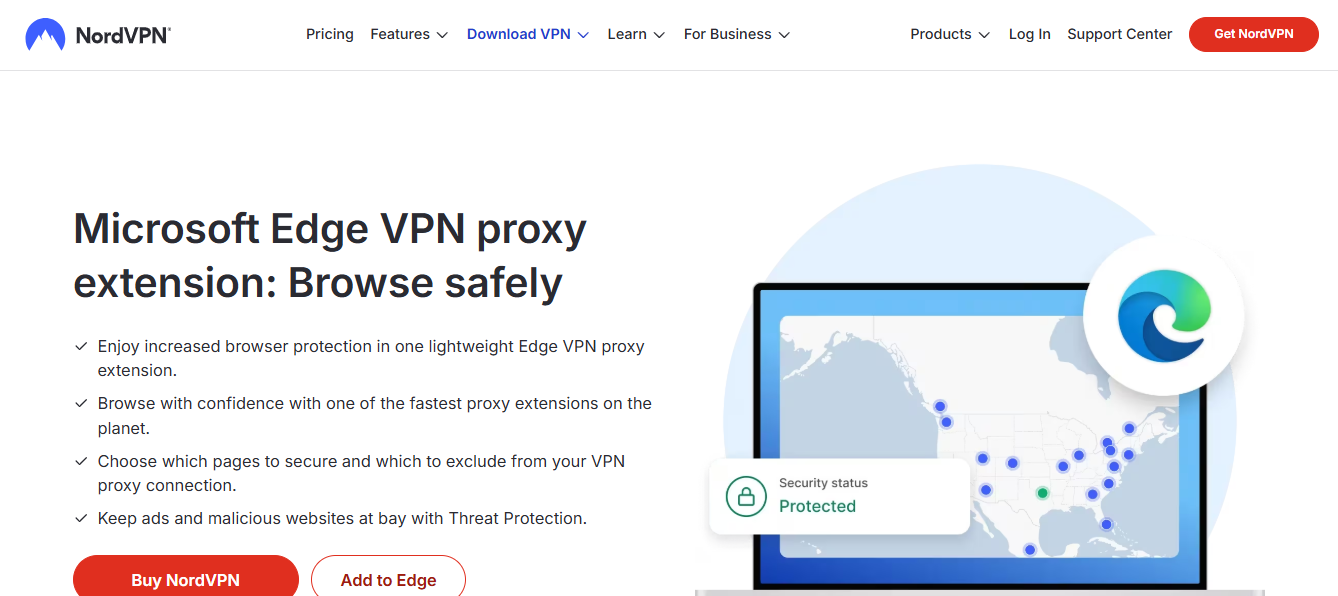
- Visit the Edge Add-ons store, install a reputable browser edge extension, and enable it.
- Configure server options if provided, and test the protection by visiting an IP-check site.
- Practical tip: Always run a quick IP/IP-leak test after enabling to verify you’re actually routed and that no DNS leaks occur. If you see your real IP, disable and reconsider the extension.
Data safety, privacy, and policy considerations
- Data logging: Free browser edges often log more data than paid VPNs to monetize usage. Accept that this tool is less about privacy and more about convenience for light browsing.
- DNS and WebRTC leaks: Some extensions fail to protect DNS or WebRTC requests, which can reveal your real IP even while “connected.” Use extensions that explicitly advertise DNS and WebRTC protection, or use privacy-focused browsers in tandem.
- Malware risk: The browser extension market has occasional malware-padded products. Stick to extensions from reputable publishers, verify user reviews, and avoid extensions that require excessive permissions.
- Trust and transparency: Reputable paid VPNs publish detailed privacy policies and third-party audits. Free browser edges typically do not. Treat them as supplementary privacy tools, not primary defense.
Use cases: when a free browser vpn edge makes sense
- Quick privacy bump on public Wi‑Fi: A browser-based edge can mask your IP for basic browsing when you’re connected to a coffee shop or airport network.
- Circumventing simple regional blocks: You might access some sites that are restricted in your location, though streaming libraries are often still blocked or limited.
- Light browsing and testing: If you’re testing how a site behaves under different geo-locations for a project, a quick browser edge can help with initial checks.
Use cases: when to avoid it
- Sensitive activities: Banking, medical portals, or anything handling sensitive personal information—stick with a full VPN with a clear no-logs policy and strong encryption.
- Multi-device needs: If you want privacy across your phone, tablet, and laptop, a full VPN service is a better choice.
- Streaming and gaming: Free browser edges rarely provide reliable unblocking for streaming platforms and can slow you down significantly.
Performance and limits you should expect
- Speed: Expect noticeable speed reductions, especially if servers are crowded. Real-world speeds can vary from a mild slowdown to significant lag, depending on your location and the server you pick.
- Data caps: Many free browser options limit data usage per day or per month, which means you’ll hit a cap quickly if you stream or do sizable downloads.
- Server locations: Usually a handful of locations, often limited to nearby regions, with reduced reliability for accessing global libraries.
- Reliability: Server uptime can be inconsistent. you may need to switch servers to get a stable connection.
Privacy tips and best practices
- Combine with other privacy tools: Use a privacy-focused browser or enhance with tracker blockers and enable standard private browsing features alongside any browser edge extension.
- Limit data sharing: Avoid logging in to accounts while connected through the edge if possible. If you do log in, review the privacy implications for syncing and advertising IDs.
- Regular hygiene: Remove extensions you don’t actively use, maintain updates, and monitor for any unusual or unexpected behavior from the extension.
- Education and awareness: Stay aware that a free tool is often a trade-off between convenience and privacy. If privacy is non-negotiable, plan to invest in a reputable paid VPN with a clear privacy policy and independent audits.
Alternatives to free browser-based VPNs
- Paid full VPN services: These protect all traffic on your device, provide robust encryption, a broader server network, and better privacy practices.
- Browser-only privacy tools: Privacy-focused browsers, anti-tracking extensions, and built-in anti-fingerprinting features can improve privacy without routing traffic through third-party servers.
- Proxies with caution: Proxies can mask your IP for browser traffic but don’t provide the same encryption level as a VPN. They’re often less secure and less private.
Maximizing privacy with smart usage
- Use a reputable paid VPN when possible for important activities.
- When using free browser edges, pair with HTTPS-only sites, disable unnecessary browser telemetry, and consider a separate privacy toolkit for your everyday browsing.
- If you often connect on public networks, consider a hardware-level solution like a privacy-friendly router with built-in VPN support, which can provide a more consistent experience.
What to expect in 2025 and beyond
- Evolution of free options: Expect more browser-based privacy tools, but also tighter data-use policies and more frequent prompts to upgrade to paid services.
- Growing awareness: More users are prioritizing privacy, which pushes providers to innovate—yet with that growth comes more handling of user data, even in free offerings.
- Hybrid approaches: We’ll likely see more hybrid models where a browser extension complements a full VPN subscription, offering a layered approach to privacy and access.
Frequently Asked Questions
Frequently Asked Questions
Is a free browser vpn edge as safe as a paid VPN?
- In most cases, no. Free browser-based options typically offer lighter protection, data caps, and potential privacy trade-offs. A paid VPN with a no-logs policy and strong encryption provides a higher level of safety for sensitive activities and multi-device use.
Can I use a free browser vpn edge for streaming?
- Some can unblock certain libraries, but performance is often inconsistent. Paid VPNs with larger server networks and streaming-optimized servers are usually a better choice if streaming is a priority.
Will a free browser-based VPN protect me from hackers on public Wi‑Fi?
- It can help by masking your IP and encrypting some browser traffic, but it’s not a substitute for a full VPN on public networks. Use strong HTTPS, multi-factor authentication, and a reputable VPN when possible.
Do free browser edges log my data?
- Many do, and some monetize by collecting usage data. Always read the privacy policy and review user reviews before trusting any free extension with your data.
Can I use a free browser edge on multiple devices?
- Most free options are device-limited or browser-limited. If you need protection across devices, a paid VPN that covers all your devices is usually better.
Are there risks with free VPN extensions?
- Yes. They can contain malware, inject ads, or compromise data. Install only from trusted publishers and stay vigilant about permissions.
How do I test if I’m leaking real IP or DNS when using a browser edge?
- Run an online IP and DNS leak test after enabling the extension. If your real IP or DNS shows up, disable the extension and reconsider its safety.
Should I disable WebRTC in my browser?
- Disabling WebRTC can reduce IP leaks in some cases, but it may also affect legitimate functionality on some sites. Consider privacy extensions that manage WebRTC settings if you’re concerned about leaks.
Can I replace a full VPN with a free browser edge?
- For most users, no. A full VPN is typically necessary for strong privacy protection, consistent performance, and multi-device coverage.
How do I switch from a free browser edge to a full VPN?
- Start by identifying your needs: number of devices, streaming access, travel, or work. Compare reputable VPNs with strong privacy policies, then choose a plan. Many providers offer multi-device licenses and student or monthly plans.
Additional resources and notes
- If you’re curious about how to compare VPNs effectively, look for independent audits, transparent privacy policies, and clear data-logging disclosures.
- For a robust, privacy-forward option that works across devices, consider a reputable paid VPN service with a clear no-logs commitment, strong encryption, and a broad server network.
- Remember: no tool is perfect. Combine privacy protections across browser hygiene, robust extensions, and a dependable VPN to build a stronger privacy posture online.
Useful resources and references
- Privacy-focused browser principles and extensions overview
- Public Wi‑Fi safety guidelines and best practices
- General VPN privacy policy considerations and audit reports
Note: If you found this guide helpful and want to explore a more robust solution, the NordVPN deal in the introduction is a practical option to consider. It’s important to choose a service that aligns with your privacy needs, budget, and device coverage.
Browsec vpn edge review and guide: Browsec vpn edge features, speed, security, pricing, and best alternatives in 2025