Vpn online free edge: complete guide to free VPNs, privacy, streaming, and safety 2026
'%2F%3E%3Ctext%20x%3D'50%25'%20y%3D'50%25'%20dy%3D'.35em'%20text-anchor%3D'middle'%20font-family%3D'-apple-system%2CBlinkMacSystemFont%2CSegoe%20UI%2Csystem-ui%2Csans-serif'%20font-size%3D'100'%20font-weight%3D'600'%20fill%3D'%23fff'%3ESO%3C%2Ftext%3E%3C%2Fsvg%3E) Sienna Ohanian·April 11, 2026·23 min
Sienna Ohanian·April 11, 2026·23 min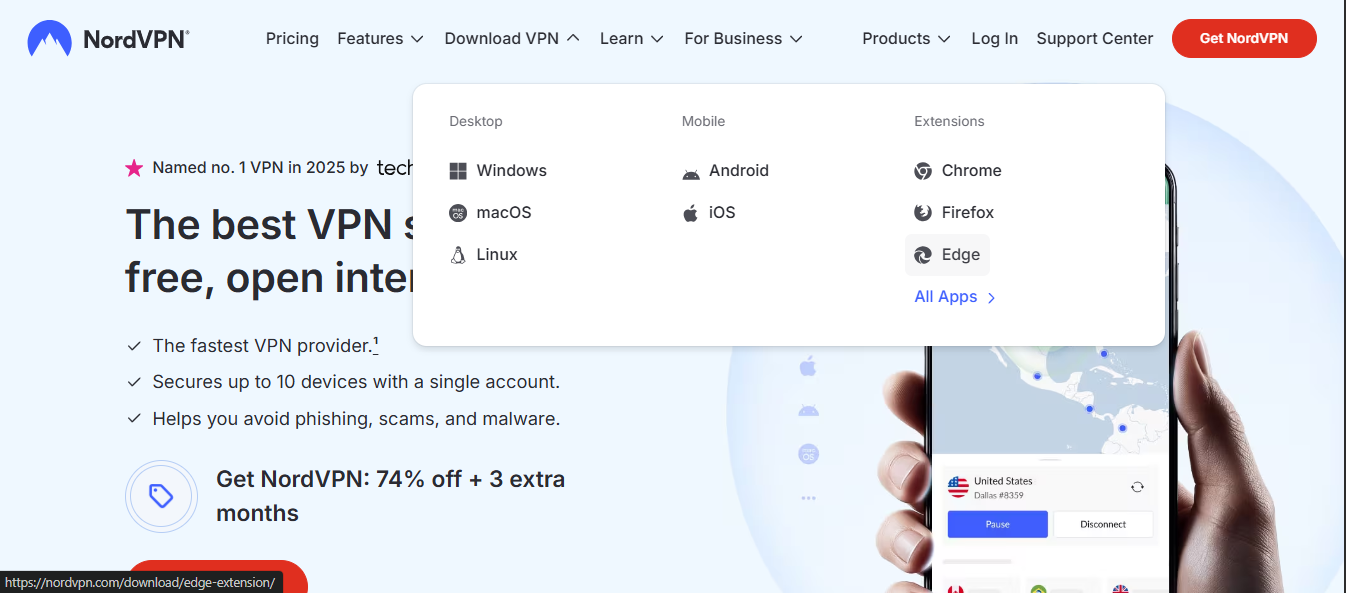
Vpn online free edge complete guide to free vpns privacy streaming and safety is all about helping you understand how to protect your data, access content, and stay safe online without breaking the bank. Here’s a quick fact to get you grounded: using a reputable free or freemium VPN can boost privacy and unlock geo-restricted content, but not all options are equal in speed, security, or reliability. This guide breaks down the essentials, shows you practical steps, and gives you real-world tips so you can pick the right solution for your needs.
- Quick-start overview
- What a VPN does for you
- Free options vs paid plans: what to expect
- Privacy, security, and safety tips
- How to optimize streaming with a VPN
- Common pitfalls and how to avoid them
- Tools, shortcuts, and best practices
Useful resources: Apple Website - apple.com Artificial Intelligence Wikipedia - en.wikipedia.org/wiki/Artificial_intelligence VPN comparison sites - example.com/vpn-comparison Internet privacy resources - torproject.org Security best practices - nist.gov Tech news on VPNs - techradar.com/vpn
What a VPN does for you
A VPN, or virtual private network, creates a secure, encrypted tunnel between your device and a VPN server. Here’s what that means in practical terms:
- Privacy shield: It hides your IP address from websites and apps, making your online activity harder to track.
- Public Wi‑Fi safety: On coffee shop networks or airports, a VPN helps protect you from snoops on the same network.
- Bypass regional blocks: Access content that’s restricted to certain countries by routing through servers in allowed locations.
- Data encryption: It scrambles your data so even if someone intercepts it, they can’t read it.
However, a VPN isn’t a silver bullet. It won’t make you completely anonymous, and it won’t fix your device’s security gaps. You still need strong passwords, updated software, and good digital hygiene.
Free VPNs vs paid VPNs: what to expect
When you search for “Vpn online free edge complete guide to free vpns privacy streaming and safety,” you’ll likely encounter a mix of free, freemium, and trial options. Here’s how they usually stack up:
- Free VPNs
- Pros: Zero cost, easy to try, good for casual use.
- Cons: Data caps, slower speeds, fewer server locations, questionable logging policies, potential ad injections.
- Freemium VPNs
- Pros: More features than pure free plans, better performance in many cases.
- Cons: Free tier still has limits; you may hit data caps or restricted locations.
- Paid VPNs
- Pros: Consistent speeds, broad server coverage, stronger privacy policies, reliable streaming support, better customer service.
- Cons: Costs money, though value is often worth it for frequent users.
For most learners who want reliable privacy and streaming access, a reputable paid plan with a robust no-logs policy and good transparency is worth considering. If you’re new or on a tight budget, combine a trusted free option with careful usage and clear expectations.
How to pick a reliable free or affordable VPN
If you’re after “Vpn online free edge complete guide to free vpns privacy streaming and safety” and want something you can trust, here are practical steps: Vpn unlimited openvpn configuration: a practical, scalable setup guide for OpenVPN to support many concurrent connections 2026
- Check the privacy policy: Look for a no-logs policy, independent audits, and data retention details.
- Look for leak protection: DNS/IPv6/WebRTC leak protection helps keep your identity hidden.
- Speed and bandwidth limits: Free options often cap speed or data; know your needs before choosing.
- Server variety: More locations give you better odds for streaming and bypassing geo blocks.
- Security features: AES-256 encryption, modern protocols WireGuard or OpenVPN, kill switch.
- Reputability and reviews: Balance user reviews, independent audits, and media coverage.
- Platform support: Ensure it works on your devices Windows, macOS, iOS, Android, browsers.
- Customer support: Accessible help when you run into issues.
Pro tip: When testing, run a quick speed test with the VPN on and off to gauge impact. Also check streaming compatibility by trying a service you actually use.
Privacy, security, and safety tips you’ll actually use
- Use strong master password managers to guard credentials.
- Enable two-factor authentication where possible.
- Regularly update apps and devices to patch vulnerabilities.
- Avoid logging into sensitive accounts on shared networks, even with a VPN.
- Don’t rely on a VPN alone for safety; combine with safe browsing habits and reputable antivirus.
- Read the privacy policy and data handling practices before subscribing.
- If something feels off weird slowdowns, unusual ads, pause the VPN and troubleshoot.
How to use a VPN for streaming without headaches
Streaming with a VPN is a common use case, but not all VPNs handle it well. Here’s a practical playbook:
- Step 1: Choose a server location that matches the streaming library you want to access.
- Step 2: Connect and verify your IP address is from the chosen country using an IP check tool.
- Step 3: Open your streaming app or website and play a test title.
- Step 4: If buffering occurs, try another server nearby or switch protocols e.g., WireGuard vs OpenVPN if the app allows.
- Step 5: If the service blocks VPNs, consider a premium VPN known for bypassing geo-restrictions, and use obfuscated servers if available.
- Step 6: Respect terms of service and avoid free VPNs that aggressively monetize or mislead about their capabilities.
Tips:
- Higher quality plans often support streaming more reliably, with faster fix times for blocks.
- Some services detect VPNs via DNS leaks; ensure your DNS is routed through the VPN.
- If your ISP throttles streaming, a good VPN can help by masking traffic, but results vary.
Data and statistics you can use to back up your decisions
- Market size: The global VPN market is expected to reach over $60 billion by 2027, reflecting growing demand for privacy and access to content.
- Privacy concern prevalence: A large share of internet users report concerns about tracking and data collection, driving interest in VPNs.
- Streaming geo-blocks: A sizable percentage of streaming libraries are region-locked, prompting users to seek VPNs for access.
- Free VPN drawbacks: More than half of free VPNs reviewed by independent labs show weak privacy protections or data leakage concerns.
Note: Figures change over time; check the latest reports from reputable cybersecurity and market research firms for up-to-date numbers.
Real-world setup: a quick-start checklist
- Decide your goal: privacy, streaming, or both.
- Pick a VPN with a solid privacy policy and recent independent audits.
- Install on your primary devices and enable kill switch.
- Set up DNS and WebRTC leak protection.
- Create strong, unique passwords for VPN-related accounts and enable 2FA.
- Test streaming once connected; troubleshoot if you hit blocks.
- Monitor usage to avoid hitting data caps on free plans.
- Keep a backup plan: know another server or another VPN if your first choice is blocked.
Common pitfalls and how to avoid them
- Assumes all VPNs are equally private: Not all do a good job protecting privacy; read the policy and check for audits.
- Free VPNs aren’t risk-free: Some monetize via ads or data collection; avoid any service with questionable practices.
- Trusting speed alone: A fast VPN might still log data; prioritize privacy-first providers.
- Ignoring device security: VPN is part of the chain; maintain device hygiene with updates and antivirus.
- Overlooking DNS leaks: Ensure DNS requests go through the VPN tunnel to prevent leaks.
Practical comparison: top features to look for
- Protocols: WireGuard, OpenVPN, IKEv2
- Kill switch: Automatic cut-off if VPN drops
- No-logs policy: Independent audits add credibility
- Server count and locations: More options for streaming and privacy
- Simultaneous connections: How many devices can be protected at once
- Split tunneling: Route only certain apps through the VPN
- Ad and malware blocking: Some premium features help with overall safety
How to test a VPN before you commit
- Privacy test: Check if your IP changes and check for DNS leaks using reliable online tools.
- Speed test: Compare speeds with VPN on and off, ideally on a fast baseline connection.
- Streaming test: Try a couple of streaming services to see if access holds.
- Reliability test: Leave it on for a few hours and watch for disconnects.
- Support test: Contact support with a simple question and rate the response time.
Frequently asked questions
How does a VPN protect my privacy online?
A VPN hides your real IP address and encrypts your data, making it harder for third parties to track your activity or intercept your traffic on public networks. Zenmate free vpn 2026
Are free VPNs safe to use?
Some are, but many come with caveats like data caps, slower speeds, or questionable logging practices. If you choose free, vet the provider carefully and understand what you’re sacrificing.
Can a VPN bypass all geo-restrictions?
No, not all streaming services allow VPN access, and some aggressively block VPNs. Premium providers often have better success in bypassing blocks.
How do I fix DNS leaks?
Use a VPN with built-in DNS leak protection and consider manually setting DNS servers that are protected by the VPN.
Does a VPN hide my online activity from my ISP?
It hides the content of your traffic and masks your IP, but your ISP can still see that you’re using a VPN. The extent of privacy depends on the VPN’s policies and protections.
Is it legal to use a VPN for streaming?
L laws vary by country; in many places, using a VPN is legal, but bypassing service terms may violate terms of use. Always review local laws and the streaming service policy. Vpn similar to ultrasurf: best bypass VPNs, features to look for, setup, and safety tips for 2026
What is a no-logs policy?
It means the VPN provider claims not to store records of your online activities. Look for independent audits to verify these claims.
Do VPNs slow down my internet?
Some slowdown is common due to encryption and longer routing, but premium VPNs minimize this with faster servers and better protocols.
Should I enable the kill switch?
Yes. It prevents data leaks if the VPN connection drops unexpectedly.
Can I use a VPN on my phone and computer at the same time?
Most providers support multiple devices on a single subscription. Check how many simultaneous connections are allowed.
Quick-start setup by platform
- Windows/macOS
- Install your chosen VPN app
- Sign in and choose a location
- Turn on kill switch and leak protection
- Verify IP and test streaming
- iOS/Android
- Install from App Store or Google Play
- Grant necessary permissions
- Enable VPN and security features
- Test on a few apps you use daily
- Browser extensions
- Some VPNs offer browser extensions for quick protection in browsers
- They’re convenient but may not protect all traffic; use alongside the full app
How to stay updated with the latest VPN news
- Follow independent security researchers and reputable tech outlets for audits and policy changes.
- Keep an eye on new protocol developments and privacy standards.
- Review your VPN’s transparency reports and any changes to their terms of service.
Bottom-line guide for choosing the right VPN summary
- If you want serious privacy, go for a paid VPN with a no-logs policy and independent audits.
- If you just need basic privacy on public Wi‑Fi, a reputable free or freemium VPN with decent protections can suffice, but be mindful of limits.
- For streaming, prioritize VPNs known to work with services you use and offer fast, stable connections, plus reliable customer support.
- Always pair a VPN with good device hygiene and safe browsing practices.
Frequently Asked Questions
Is a VPN legal everywhere?
Laws vary by country. In many places, using a VPN is legal, but some jurisdictions restrict or ban certain uses. Vpn for edge reddit: How to Use a VPN on Microsoft Edge to Access Reddit Safely, Privately, and Fast 2026
How can I tell if a VPN is credible?
Look for a clear no-logs policy, independent audits, transparent data handling, recent security updates, and responsive customer support.
Can a VPN protect me from phishing?
A VPN helps with privacy and encryption but doesn’t protect you from phishing; use email vigilance and security training.
Do VPNs hide my online activity from apps?
They hide it from websites and ISPs, but apps can still track you through other means like account logins and app telemetry.
What’s the best way to test a VPN’s privacy claims?
Review the policy, read independent audits, test for IP and DNS leaks, and monitor data usage over time.
Can I use a VPN to protect my children online?
Yes, along with parental controls and safe browsing practices. Make sure the VPN is family-friendly and easy to use. Vpn for edge browser: the ultimate guide to choosing, installing, and using a vpn with Microsoft Edge in 2026
Do VPNs work on smart TVs and gaming consoles?
Many do, but not all. Check device compatibility and whether the VPN can be configured on your router if needed.
How do I uninstall a VPN on my device?
Go to the system settings, locate the VPN app, and choose uninstall or remove. Reboot if necessary.
Are there regulatory concerns with using VPNs?
Some countries regulate VPN use or require compliance with local laws. Always check local rules before using one.
What’s the difference between VPN and proxy?
A VPN encrypts traffic across the entire device, while a proxy typically only affects traffic from a single app or browser and may not encrypt all data.
Vpn online free edge is possible, but you’ll face limits on speed, data, and privacy. In this guide, you’ll get a practical, no-fluff look at what free VPNs can really do for you, when you should upgrade, and how to use a VPN smoothly with Edge and other apps. You’ll also find real-world tips, tested steps, and straightforward recommendations to keep you protected without overpaying. If you’re curious about a solid paid option that often lands a great deal, check out the NordVPN offer below. Xbox microsoft edge vpn guide: how to use a VPN with Xbox, protect Edge browsing, and improve gaming privacy 2026
Useful URLs and Resources un clickable text
- NordVPN official site - nordvpn.com
- ProtonVPN - protonvpn.com
- Windscribe - windscribe.com
- TunnelBear - tunnelbear.com
- Hide.me - hide.me
- Microsoft Edge privacy settings - support.microsoft.com edge privacy
What this guide covers
- How free VPNs work and what you can realistically expect
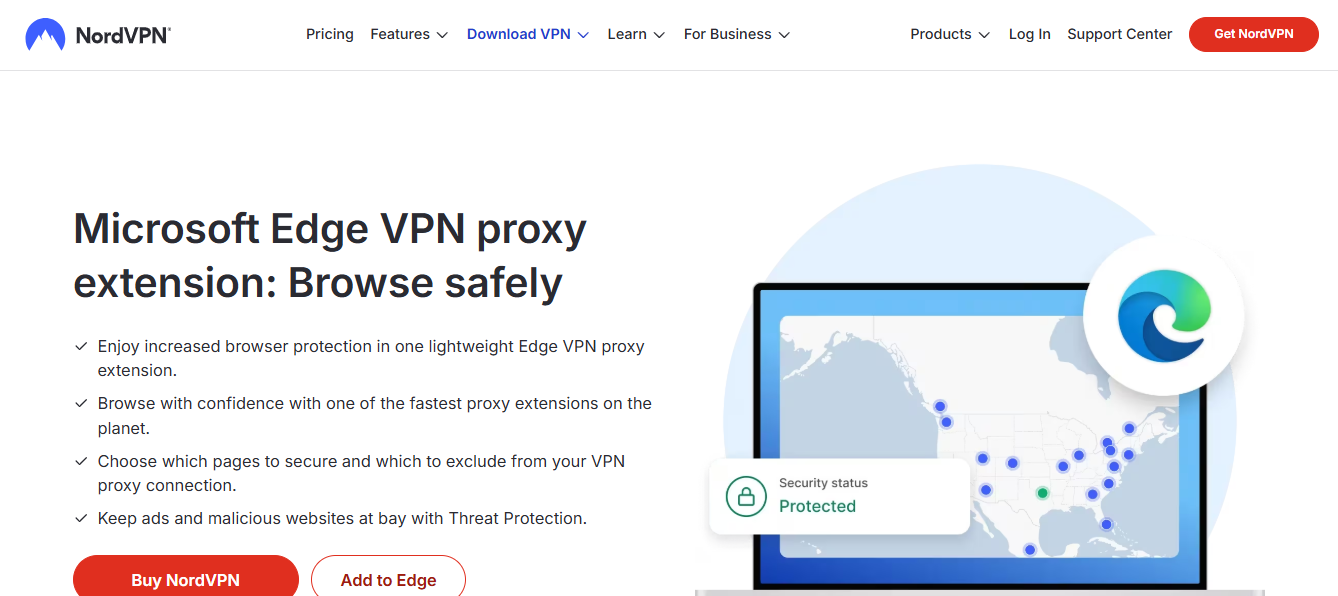
- The edge browser angle: using VPNs with Microsoft Edge
- Pros, cons, and hidden costs of free VPNs
- A quick setup guide for Windows/Mac/iOS/Android
- Which free VPNs are actually usable, and when to upgrade
- Practical privacy and security tips you can apply today
- A clear path to a paid VPN when you need real reliability
What a VPN does and why people search for “vpn online free edge”
A VPN virtual private network creates a private tunnel between your device and a VPN server, encrypting your traffic and masking your IP address. That means:
- Your internet service provider can’t easily see exactly what you’re doing online.
- Websites see the IP address of the VPN server, not your home address.
- You gain a degree of privacy on public Wi‑Fi and when you’re on the road.
When you’re looking for “vpn online free edge,” you’re likely trying to balance two things: free access and practical privacy. Free VPNs can be tempting, especially if you’re just testing streaming, travel, or occasional browsing. But two realities usually pop up:
- Free plans tend to cap data, speed, or server locations.
- Free services may rely on ads, trackers, or data-sharing to subsidize the service.
That’s not to say free VPNs are useless. They’re a good emergency tool and a learning resource. The key is to know the limits and set the right expectations. Vpn unlimited vs nordvpn: which VPN is best for speed, privacy, streaming, and value in 2026
How free VPNs actually work and what you should expect
Free VPNs typically operate in one of these ways:
- Data-limited plans: a monthly cap on bandwidth e.g., 2–10 GB that’s quickly exhausted.
- Limited server access: only a handful of locations, which can cause congestion and slow speeds.
- Ads-supported models: you’ll see ads inside apps or on websites when you use the VPN.
- Feature restrictions: no kill switch, weak DNS protection, or no split tunneling.
Why people still use them:
- Quick testing: see if a VPN works with your devices and apps.
- Occasional anonymity: masking your IP for a short time can be enough for some tasks.
- Cost barrier: no monthly fee, which can be appealing if you’re experimenting.
What to watch for:
- Privacy policy: does the provider claim to log data? Look for a no-logs policy that’s verifiable.
- Data leaks: DNS and WebRTC leaks can reveal your real IP even when connected.
- Security standards: strong encryption AES-256, modern protocols OpenVPN, WireGuard, and a kill switch.
Edge browser and VPN usage: how to connect a VPN on Windows/macOS/iOS/Android
Edge users often wonder how to pair a VPN with the browser. Here’s a simple mental model:
- VPN at the device level: install the VPN app on Windows, macOS, iOS, or Android. All traffic from that device, including Edge, is routed through the VPN.
- VPN per app: some platforms let you route only Edge through a VPN, but that’s less common and more complex to set up.
- DNS and leaks: enable a kill switch and DNS leak protection if your VPN offers it.
Step-by-step quick-start Windows/macOS: Zenmate vpn chrome web store: comprehensive guide to installing, using, and optimizing ZenMate VPN on Google Chrome 2026
- Pick a VPN with a trustworthy free plan or a trial of a paid plan.
- Install the app on your device and sign in.
- Connect to a server location suitable for your needs nearest location for speed, or a specific country for geo-access.
- Open Edge and browse. Verify your IP shows the VPN server, not your home IP use an IP check site.
- Enable additional features if available: kill switch, DNS leak protection, and split tunneling if you want only certain apps to use the VPN.
Step-by-step quick-start iOS/Android:
- Install the VPN app from the App Store or Google Play.
- Grant the necessary permissions VPN configuration.
- Connect to a server and test with Edge or any other browser.
- Use the kill switch and DNS protections if offered by the app.
Tips:
- Always test for leaks after connecting. A simple IP or WebRTC leak check will show you whether your real IP is leaking.
- If Edge seems slower than usual, try a different server or temporarily disable heavy browser extensions.
Free VPNs: pros, cons, and what to expect in practice
Pros:
- No upfront cost.
- Quick way to test basic privacy ideas and see if you like the interface.
- Useful for basic, non-sensitive browsing on public Wi‑Fi.
Cons:
- Data caps and slower speeds.
- Limited server locations and occasional disconnects.
- Potentially intrusive ads or bundled trackers.
- In some cases, questionable privacy practices or log retention.
Realistic expectations: Zenmate free vpn edge 2026
- Free VPNs are best for learning, basic privacy, and short sessions, not for high-stakes tasks like confidential work or streaming in high definition for long hours.
Free VPNs that are actually usable and what you should know
Here are some commonly recommended free VPNs, with quick notes. Remember: features change, so verify current policies before signing up.
- ProtonVPN Free
- Pros: No data limit on free plan. strong security reputation.
- Cons: Very limited speeds and only a few servers. may be slower during peak times.
- Windscribe Free
- Pros: Generous monthly data cap often around 10 GB with promo. you can earn more via referrals. multiple locations.
- Cons: Speeds can vary. some servers can be slow during peak times.
- TunnelBear Free
- Pros: User-friendly. good for quick privacy testing.
- Cons: Small data cap e.g., 500 MB per month, or a bit more with promotions. not ideal for streaming.
- Hide.me Free
- Pros: No ads in the app. several locations. reasonable privacy stance.
- Cons: Data caps and occasional throttling during busy periods.
- Atlas VPN Free
- Pros: Simple interface and decent speeds for a free tier.
- Cons: Limited locations and features compared to paid plans.
What to watch for in free options:
- No-logging promises: read the privacy policy. free providers may monetize data differently.
- Kill switch and DNS protection: essential for real privacy, especially on Windows/macOS.
- Data caps: plan ahead for how much you’ll actually need for your tasks.
Should you stick with free VPNs or upgrade?
If you’re serious about privacy, streaming, or reliable security, paid VPNs are the smarter bet. A well-regulated paid VPN often offers:
- No-logs guarantees with external audits.
- Robust encryption, modern protocols, and faster speeds.
- a kill switch, leak protection, and multiple simultaneous connections.
- Access to a broad network of servers, including optimized streaming routers and gaming targets.
A paid VPN can be worth it for ongoing privacy, consistent speeds, and reliable access to geo-restricted content. If you’re curious about a strong, widely used option, you’ll often see NordVPN mentioned as a solid choice with frequent deals. The badge above is one you may recognize if you’re exploring paid options.
How to maximize privacy with free VPNs and when to upgrade
Tips to get the most out of a free VPN: Working vpn chrome extension for secure browsing: setup, comparisons, tips, and best practices in 2026
- Use trusted names with transparent privacy policies even if data caps exist.
- Turn on kill switch and DNS leak protection when available.
- Avoid sensitive activities banking, medical records, confidential work on free VPNs if possible.
- Combine with other privacy practices: strong browsing hygiene, no credential reuse, and up-to-date devices.
- Test leaks regularly: IP checks, DNS checks, and WebRTC test sites.
When to upgrade:
- You need consistent streaming access to platforms like Netflix, BBC iPlayer, or Hulu without interruptions.
- You require reliable speeds for gaming, large file downloads, or secure remote work.
- You want full server access, better privacy guarantees, and a true no-logs policy with independent audits.
NordVPN is a well-known option that often has aggressive promotions and reliable performance. If you’re evaluating paid choices, it’s worth a look, and the promotional badge above can be a quick way to land a deal.
Step-by-step setup guide for Windows, macOS, iOS, and Android
Windows
- Download the VPN app from the official site.
- Install and open the app. sign in.
- Choose a server location and connect.
- Verify your new IP and enable kill switch and DNS protection if available.
- Launch Edge and browse securely.
macOS
- Open the app store or the provider’s site.
- Install the client, sign in, and connect to a server.
- Enable advanced security features if offered kill switch, DNS protection.
- Use Edge to browse privately.
iOS
- Install the VPN from the App Store.
- Agree to configuration prompts and connect to a server.
- Ensure the app’s settings enable the kill switch and leak protection.
- Open Edge and browse with privacy in mind.
Android
- Install the VPN from Google Play.
- Sign in and pick a server.
- Turn on the kill switch and DNS protection if available.
- Use Edge or any browser with privacy-conscious settings.
Quick testing checklist after setup
- Check your IP via an IP lookup site to confirm the VPN is active.
- Do a DNS leak test to ensure your DNS requests aren’t leaking to your ISP.
- Confirm the kill switch works by turning off the VPN and ensuring your traffic is blocked.
Privacy, security, and safety tips for VPN users
- Pick trustworthy providers: read privacy policies and look for independent audits when possible.
- Prefer HTTPS: always use HTTPS websites, and consider browser extensions that enforce HTTPS.
- Keep software up to date: VPN apps, OS, and Edge should be current to minimize vulnerabilities.
- Use strong credentials: enable 2FA for your VPN account if possible.
- Don’t rely on a free VPN for sensitive tasks: when in doubt, upgrade to a paid, reputable service.
Alternatives and complements to VPNs for privacy
- DNS over HTTPS DoH: encrypts DNS queries to prevent eavesdropping, usable with Edge.
- Secure privacy-focused browsers and extensions: built-in tracker blocking, fingerprint protection, and better cookie controls.
- Public Wi‑Fi safety practices: avoid entering sensitive information on untrusted networks. use two-factor authentication.
- Tor for extreme privacy: not for everyday streaming, but it can be an option for highly sensitive browsing.
Frequently asked questions
What is a VPN?
A VPN is a service that creates a private, encrypted tunnel for your internet traffic, shielding your activity from your network and masking your IP address.
Is there a truly free VPN?
Yes, there are free VPNs, but they often come with limitations such as data caps, slower speeds, limited server options, and sometimes privacy trade-offs. For sustained privacy or streaming, paid options are typically more reliable.
How does a VPN work in practice?
A VPN routes your traffic through a remote server, encrypting it so observers on your network and sometimes even your ISP can’t see the contents. It also hides your real IP behind the server’s IP.
Can I use VPN for streaming?
Some free VPNs work for streaming, but many don’t due to throttling, blocked servers, or slow speeds. Paid VPNs tend to offer more reliable access to geo-restricted libraries.
Is VPN safe on public Wi‑Fi?
Yes, a VPN adds a protective layer on public Wi‑Fi by encrypting traffic, making it harder for attackers to intercept data.
What is a kill switch?
A kill switch stops all internet traffic if the VPN connection drops, preventing unencrypted data from leaking.
Do VPNs log my activity?
That depends on the provider. Look for a clear no-logs policy and, if possible, independent audits confirming restrictions on data collection.
What’s the difference between free and paid VPNs?
Free VPNs usually cap data, speed, and locations. paid VPNs offer stronger privacy protections, more features, better performance, and reliable customer support.
How do I install a VPN on Windows?
Download the provider’s app, install, sign in, choose a server, and connect. Then verify your IP and enable security features like a kill switch.
How can I bypass geo-restrictions legally?
Use a reputable VPN to access content where allowed by licensing, but be mindful of service terms. Some services actively block VPNs.
Are free VPNs fast enough for HD video?
Often not for long sessions or high-quality streaming due to data caps and traffic throttling on free plans.
Can VPNs protect me from malware?
VPNs primarily protect data in transit and masking your IP. they don’t replace antivirus software or malware protection. Use reputable security tools in addition to a VPN.
How do I test if my VPN is leaking my real IP?
Run IP and DNS leak tests after connecting to the VPN. If your real IP or real DNS servers appear, you may have a leak and should switch servers or enable the kill switch.
Should I trust every VPN badge I see?
No. Do due diligence: verify privacy policies, look for independent audits, and consider user reviews and independent testing reports.
Final note
If you’re evaluating privacy tools for everyday use, free options are helpful for quick testing and basic protection, but for consistent reliability—especially for streaming, sensitive work, or travel—investing in a reputable paid VPN with strong privacy guarantees is usually the smarter move. The NordVPN badge included above is one widely used option, and it often comes with promotions that make it a solid value while you decide what best fits your needs.
Vpn路由在家用路由器上的完整指南:设置、性能、隐私与常见问题