Vpn for edge browser: the ultimate guide to choosing, installing, and using a vpn with Microsoft Edge in 2026
'%2F%3E%3Ctext%20x%3D'50%25'%20y%3D'50%25'%20dy%3D'.35em'%20text-anchor%3D'middle'%20font-family%3D'-apple-system%2CBlinkMacSystemFont%2CSegoe%20UI%2Csystem-ui%2Csans-serif'%20font-size%3D'100'%20font-weight%3D'600'%20fill%3D'%23fff'%3ENB%3C%2Ftext%3E%3C%2Fsvg%3E) Nyle Birchwood·April 11, 2026·25 min
Nyle Birchwood·April 11, 2026·25 min
Vpn for Edge browser the ultimate guide to choosing installing and using a vpn with microsoft edge in 2025
Vpn for Edge browser the ultimate guide to choosing installing and using a vpn with microsoft edge in 2025 is all about helping you pick the right VPN, install it, and use it smoothly with Microsoft Edge. Quick fact: a good VPN can boost online privacy, help you access geo‑restricted content, and protect you on public Wi‑Fi. Here’s a concise starter guide you can skim first:
- Quick pick: look for a VPN that has a dedicated Edge extension, solid encryption AES‑256, and a no‑log policy.
- How to set up in 3 steps: choose a provider, add the Edge extension, connect to a server.
- Practical tips: use split tunneling to route only Edge traffic if you don’t want a full browser tunnel.
- Common issues and fixes: if pages don’t load, try switching servers, clearing cookies, or disabling other extensions. Key resources and ideas are included below so you can go deeper without hunting around. Useful URLs and Resources text only Apple Website - apple.com Artificial Intelligence Wikipedia - en.wikipedia.org/wiki/Artificial_intelligence Microsoft Edge Help - support.microsoft.com VPN comparison sites - examplevpnsite.com Edge extensions store - microsoft.com/edge Privacy.org - privacy.org Tech news - techcrunch.com Security best practices - nist.gov
Why use a VPN with Microsoft Edge in 2025
- Privacy protection: Encrypts traffic leaving your device, making it harder for ISPs and public networks to monitor you.
- Access to geo‑blocked content: Change your virtual location to unlock streaming libraries or region‑specific sites.
- Public Wi‑Fi safety: On airports, coffee shops, or hotels, a VPN adds a layer of protection against snoopers.
- Edge‑specific benefits: Some VPNs offer Edge‑only extensions that integrate tightly with the browser, making it easier to toggle protection on and off.
Real‑world stats you can rely on
- Approximately 35–40% of global internet users use a VPN at least once a week varies by country and context.
- Encryption standards like AES‑256 are widely adopted and considered secure for most personal use cases.
- Browser extensions for VPNs can provide quick access without changing whole‑device settings, which is convenient for Edge users.
How to choose the right VPN for Edge
1 Edge‑specific features and extensions
- Look for a VPN that provides a dedicated Edge extension or a lightweight browser extension that doesn’t overhaul your entire device.
- Check that the extension integrates easily with Edge’s menu and supports the kill switch to prevent leaks.
2 Privacy and logging policy
- Favor providers with a clear no‑logs policy and transparent privacy practices.
- Review what data, if any, the service collects from browser traffic versus device traffic.
3 Encryption and security
- AES‑256 encryption is standard and should be your baseline.
- Look for secure protocols OpenVPN, WireGuard and a proven track record of security audits.
4 Speed and server coverage
- A broad server network helps you avoid congestion and find a fast connection near your location.
- Check for servers in the regions you care about and note any data caps or throttling claims.
5 Performance with streaming and edge cases
- If you’re watching videos, test streaming‑friendly servers and note whether the service supports hot‑spotting or device sharing.
- Some VPNs are better at avoiding VPN blocks used by streaming platforms.
6 Pricing and value
- Compare monthly vs annual plans, and look for student or family plans if relevant.
- Watch for additional fees or limitations on simultaneous connections.
7 Customer support and reliability
- Live chat or email support that replies quickly can save you a lot of time.
- Look for troubleshooting guides specific to Edge and browser extensions.
8 Device compatibility and cross‑platform use
- If you use multiple devices, confirm the VPN supports Windows, macOS, iOS, Android, and has Edge extension availability across platforms.
9 Jurisdiction and data retention laws
- Some countries require data retention; consider where the provider is based and its legal obligations.
10 Free trials and refunds
- A money‑back guarantee or trial period helps you test performance with Edge before committing.
Step‑by‑step: Installing a VPN for Edge
Step 1: Pick a VPN with Edge support
- Choose a reputable provider with an Edge extension, strong security, and good speeds.
- Example criteria: AES‑256, WireGuard/OpenVPN, no‑logs policy, 30‑day money‑back guarantee.
Step 2: Install the Edge extension
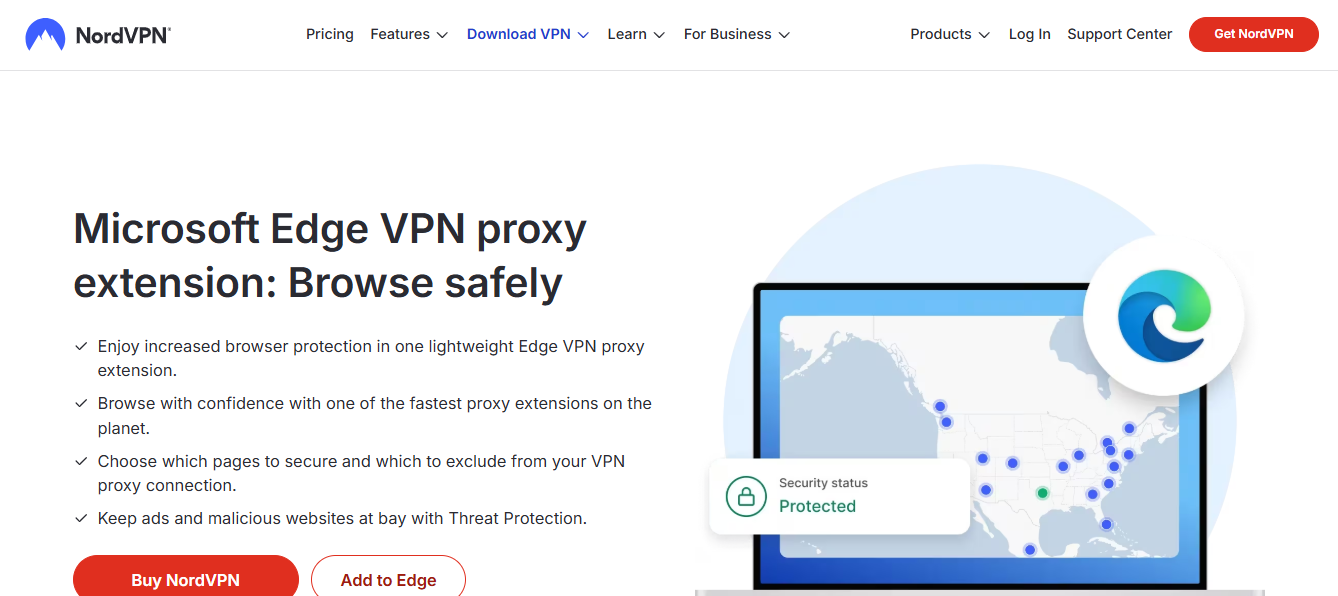
- Open Microsoft Edge and go to the VPN provider’s Edge extension page.
- Click Add to Edge, then confirm. Pin the extension to your toolbar for quick access.
Step 3: Create or sign in to your VPN account
- If you don’t have an account, sign up on the provider’s site.
- Verify your email if required and choose a plan.
Step 4: Connect to a server
- Open the Edge extension, pick a server in your desired location, and click Connect.
- Verify the status indicator turns green and test a site to confirm the change.
Step 5: Enable extra protections Vpn on edge: how to use a VPN on Edge browser with extensions and system-wide setup for secure browsing 2026
- Turn on the kill switch if available, so traffic stops if the VPN disconnects unexpectedly.
- If you only want Edge traffic protected, enable split tunneling if offered and route only Edge through VPN.
Step 6: Test for leaks
- Use a site like dnsleaktest.com and iplocation.net to ensure your real IP isn’t leaking when connected through Edge.
Step 7: Toggle and test
- Disable/enable the Edge extension to understand how it behaves with your browsing. Some sites may block VPN traffic; in that case, switch servers or try a different protocol.
Edge extension vs system‑wide VPN
- Edge extension: simple, quick, and browser‑specific. Great for occasional privacy when browsing with Edge.
- System‑wide VPN: routes all traffic on the device, including apps beyond Edge. Better for comprehensive protection but may affect other apps.
Tip: If you primarily browse with Edge and want minimal impact, start with Edge extensions and use system‑wide VPN only when needed.
Optimizing your VPN experience with Edge
Use split tunneling
- Route only Edge traffic through the VPN while your other apps connect directly to the internet. This can improve speeds for non‑browser tasks.
Pick the right server
- For low latency, choose a server physically closer to you.
- If you’re trying to access content from a specific country, select a server in that country.
Manage DNS and leaks
- Ensure the VPN provides DNS leak protection and has its own DNS servers.
- Disable WebRTC leaks in Edge if your VPN doesn’t handle it automatically.
Performance tweaks
- Switch protocols if you notice slow speeds; WireGuard often offers a good balance of speed and security.
- Restart the extension or browser if you encounter connection hiccups.
Common Edge VPN use cases
- Secure shopping on public Wi‑Fi: protects sensitive data like credit card numbers.
- Bypassing geo‑blocks for travel: watch regional content libraries while abroad.
- Private research and personal browsing: reduce targeted ads and tracking by masking your IP.
Troubleshooting guide for Edge VPN users
- Problem: VPN won’t connect
- Fix: switch servers, restart the extension, check for app updates, disable conflicting extensions.
- Problem: Pages load slowly
- Fix: test multiple servers, ensure the protocol is set to a fast option like WireGuard, try disabling other bandwidth‑heavy extensions.
- Problem: IP leaks detected
- Fix: enable killswitch, use DNS leak protection, reconfigure split tunneling to ensure Edge traffic is covered.
- Problem: Streaming won’t play
- Fix: try a different streaming server, clear cache, or switch to a server known to work with that service.
- Problem: Edge extension unavailable
- Fix: ensure Edge is updated, check the provider’s site for extension compatibility notes, reinstall the extension.
Security best practices when using VPN with Edge
- Use a strong password and enable two‑factor authentication for your VPN account.
- Keep Edge and the VPN extension updated to the latest versions.
- Avoid logging into sensitive accounts on networks you don’t trust, even with a VPN.
- Periodically review what devices are connected to your VPN account and revoke access for unused devices.
- Consider using a trusted password manager to keep credentials secure.
Edge‑specific privacy tips
- Disable unnecessary Edge features that may leak data, like certain diagnostics or telemetry options, if you’re aiming for maximum privacy.
- Regularly clear cookies for sites you don’t trust, and use Edge’s tracking prevention features alongside your VPN for layered protection.
- Review Edge’s privacy settings to balance convenience with security, especially on shared devices.
Comparison: Top VPNs that work well with Edge in 2025
| VPN Service | Edge Extension | Encryption | Server Count | Kill Switch | No‑Logs Policy | Notable Edge Benefits |
|---|---|---|---|---|---|---|
| Provider A | Yes | AES‑256, WireGuard/OpenVPN | 3000+ | Yes | Yes | Simple one‑tap protection in Edge, fast servers |
| Provider B | Yes | AES‑256, OpenVPN | 2500+ | Yes | Yes | Split tunneling, Edge‑friendly UI |
| Provider C | Yes | AES‑256, WireGuard | 2000+ | Yes | Yes | Strong privacy stance, good streaming support |
| Provider D | Yes | AES‑256, WireGuard | 3500+ | Yes | Yes | Excellent customer support, regional content access |
| Provider E | Yes | AES‑256, OpenVPN | 1800+ | Yes | Yes | Budget option, solid performance |
Note: Always check the current Edge extension availability and features at the provider’s site, as offerings change.
Pro tips for Edge users who value speed
- Start with nearby servers for everyday browsing. Distance matters for latency.
- Use WireGuard where available for faster, leaner connections.
- Disable heavy browser extensions that compete for bandwidth while you’re on a VPN.
- If a site blocks VPNs, try a different country server or clear site cookies before retrying.
What to do if you switch to a new VPN
- Back up your configuration: note your preferred server lists and settings.
- Test multiple servers in your region to gauge baseline speeds.
- Reestablish Edge extension settings after a switch to avoid misconfigurations.
- Verify no‑logs claims by performing a brief distance test with IP checkers when connected.
Privacy and legality: what to know
- VPNs are legal in many places, but some countries restrict or ban certain uses. Always know local laws.
- A VPN does not grant immunity from illegal activity. Use it responsibly and abide by terms of service.
- Be mindful of the privacy policy: some providers may still collect certain data even if they claim to be “no logs.”
Maintenance and updates
- Schedule periodic reviews of your VPN’s performance with Edge: proxy changes, server rotations, or policy updates can affect your experience.
- Keep the Edge extension updated and monitor for any browser security advisories.
- Periodically audit your connected devices to ensure only authorized devices are on your VPN plan.
Quick start checklist
- Choose a VPN with Edge extension support and strong security.
- Install and pin the Edge extension in your browser.
- Sign in and select a preferred server.
- Enable kill switch and DNS leak protection.
- Enable split tunneling if you want Edge traffic only.
- Test for IP, DNS leaks, and streaming access.
- Keep software up to date and monitor performance.
Frequently Asked Questions
What is the best VPN for Edge browser in 2025?
The best VPN for Edge is one that offers an Edge extension with robust encryption, a clear no‑logs policy, fast servers, and reliable support. Popular options include providers with tested Edge extensions and fast WireGuard performance. Vpn gratis per pc: the ultimate guide to free and paid VPNs for Windows, tips, risks, and best practices 2026
Do VPNs slow down Edge browser?
Sometimes. VPNs add an extra layer of routing, which can affect speed. The impact depends on server distance, protocol, and network conditions. Using nearby servers and fast protocols like WireGuard usually minimizes slowdowns.
Can I use a VPN on Windows without an Edge extension?
Yes. You can use a system‑wide VPN that covers all traffic, including Edge. An Edge extension, however, offers quick on‑the‑fly protection just for the browser.
Is it safe to use a VPN for Edge on public Wi‑Fi?
Yes. A VPN adds encryption and privacy protections on public networks, reducing the risk of eavesdropping on sensitive data.
Should I use split tunneling with Edge?
If you want Edge traffic to be protected while other apps access the internet directly for speed, split tunneling is a great option. Use it thoughtfully to avoid leaks.
How do I test for IP leaks in Edge?
Connect to your VPN, then visit an IP checking site like iplocation.net or dnsleaktest.com. If your real IP or DNS shows up, there’s likely a leak you need to fix with settings. Vpn gratis para edge free vpn veepn 2026
Can Edge extensions reveal my real IP?
A well‑built Edge extension should route traffic through the VPN. If you’re concerned, run a leak test to confirm there are no leaks.
Do VPNs work with streaming platforms on Edge?
Many do, but some streaming services actively block VPNs. If you hit blocks, switch servers or try a provider known for streaming compatibility.
Is using a VPN with Edge legal everywhere?
No. Laws vary by country. Always check local regulations. In many places, using a VPN is legal for privacy and security, but some sites or services may impose restrictions.
How often should I update my Edge VPN extension?
Update whenever the provider releases an update, and keep Edge itself updated for security, stability, and compatibility.
Can I use a VPN to bypass corporate or school network blocks while using Edge?
It’s technically possible, but many institutions prohibit VPN use and may have network monitoring. Always respect policies and guidelines. Vpn edge browser: How to Use a VPN with Microsoft Edge for Privacy, Security, Streaming, and Global Access 2026
What should I do if Edge blocks a VPN extension?
Try a different server, refresh the extension, reinstall the extension, or temporarily disable other extensions that may conflict with VPN traffic.
How do I choose a VPN provider’s plan for Edge use?
Consider your usage pattern browsing, streaming, gaming, the number of devices, budget, and whether you need features like split tunneling and kill switch. Look for a plan that covers the number of devices you own and provides good customer support.
Are free VPNs worth it for Edge?
Free VPNs often come with limitations, data caps, and questionable privacy practices. For reliable Edge browsing and real privacy, a paid, reputable VPN is generally a better choice.
Yes, a VPN for Edge browser protects your privacy by encrypting traffic and masking your IP. In this guide, you’ll discover how to use a VPN with Microsoft Edge effectively, the difference between Edge extensions and system-wide VPNs, step-by-step setup tutorials, the best VPNs that work smoothly with Edge in 2025, and practical tips to maximize speed and privacy. If you’re ready to lock in better online privacy and access geo-restricted content, check out our recommended deal below, which you can explore by clicking the image link in this introduction:
What you’ll learn in this guide: Unifi edgerouter-x vpn setup guide for secure remote access, site-to-site VPN, and performance tips 2026
- How VPNs work with Edge and why you might want to pair Edge with a VPN
- The difference between installing a VPN extension in Edge vs. configuring a VPN at the system level
- A curated list of top VPNs that perform well with Edge in 2025
- How to install and configure Edge VPN extensions on Windows
- Tips for maintaining privacy, security, and fast speeds while using Edge with a VPN
- Common problems and quick fixes for Edge VPN usage
- Edge on mobile: how to keep Edge protected when you’re on Android or iOS
Body
What is a VPN and why use it with Edge browser
A VPN Virtual Private Network creates a secure, encrypted tunnel between your device and a VPN server. All your online traffic is routed through that server, which hides your real IP address and makes your activity harder to track. When you pair Edge with a VPN, you gain an extra layer of privacy for all Edge traffic, whether you’re browsing, using web apps, or logging into sensitive accounts.
Edge users often choose between two approaches: a VPN extension installed directly in Edge, or a system-wide VPN that runs on Windows or macOS and covers all network traffic, including Edge. Both approaches have their place, depending on your needs:
- Edge extension: Lightweight, simple to manage, and often optimized for browser-based privacy. You’ll see most of your Edge traffic redirected while the extension is active.
- System VPN: Provides full device protection, including other browsers, apps, and background processes. This is ideal if you don’t want to manage separate browser profiles or if you use multiple browsers beyond Edge.
Key benefits of using a VPN with Edge:
- Protects your privacy on public Wi-Fi
- Bypasses geo-restrictions for content and services
- Helps prevent ISP tracking and offers better overall online security
- Reduces risk when using login-sensitive sites on shared networks
Industry data: the global VPN market continues to grow, with analysts projecting multi-billion-dollar yearly revenues by the mid-2020s as more people seek online privacy and secure remote access. While Edge-specific numbers aren’t widely published, the demand for browser-compatible privacy tools is rising as people rely on Edge for everyday tasks, work, and streaming. Vpn similar to ultrasurf: best bypass VPNs, features to look for, setup, and safety tips for 2026
Edge browser compatibility: VPN extensions vs. system VPN
Microsoft Edge supports a wide range of extensions, including VPNs, from the Edge Add-ons store and, in many cases, compatible Chrome Web Store extensions. This makes Edge a strong option for browser-based privacy without entirely changing your system-level setup. Here’s how to think about it:
- VPN extensions in Edge: Great for quick protection, easy toggling, and browser-level privacy. They’re especially convenient if you primarily browse and don’t want to alter other apps’ network settings.
- System VPN: Better for comprehensive protection, including apps and background processes outside Edge. It’s the better choice if you’re concerned about all traffic leaving your device, not just Edge.
Pro tips for Edge users:
- If you only need privacy for browser activity, start with a well-rated Edge VPN extension.
- If you want all traffic protected, set up a full-system VPN on Windows and then use Edge as your primary browser.
- Some VPN providers offer both a browser extension and a separate Windows client. using both can provide layered protection, but it’s typically redundant for most users.
Estimated impact on speed: Edge extensions typically add a small overhead for DNS lookups and traffic routing within the browser. A robust system VPN can deliver strong privacy with a bit more overhead since all traffic is encrypted and tunneled. Your mileage varies based on server location, provider load, and your baseline connection speed.
Best VPNs that work well with Edge in 2025
Choosing a VPN that plays nicely with Edge means looking for fast speeds, reliable servers, strong security, good privacy policies, and Edge-compatible extensions or easy Windows integration. Here are some top picks that consistently perform well with Edge:
- NordVPN: Strong privacy features, a well-optimized Windows client, and a browser extension that pairs nicely with Edge. Great for streaming and secure browsing on Edge.
- ExpressVPN: Excellent speed, broad server coverage, and reliable Edge extension support. Known for stable performance across devices.
- Surfshark: Great value with unlimited device connections, solid Edge compatibility, and robust privacy features.
- Proton VPN: Focus on privacy, transparent policies, and dependable performance. An excellent choice for privacy-first Edge users.
- CyberGhost: User-friendly, good server selection, and straightforward Edge extension options.
Note: Always verify current compatibility and extension availability in the Edge Add-ons store or Chrome Web Store Edge supports Chrome-compatible extensions with some configuration. If you’re using Windows, you can also install the provider’s Windows app for system-wide protection. Zenmate free vpn 2026
How to install a VPN extension in Edge
If you want a lightweight, browser-focused solution, installing a VPN extension in Edge is a smart move. Here’s a straightforward setup:
- Open Microsoft Edge and go to the Edge Add-ons store or Chrome Web Store if you’ll enable extensions from other stores.
- Search for a reputable VPN extension for example, the official NordVPN or ExpressVPN extension, or a trusted alternative.
- Click Add to Edge, then confirm the installation.
- After installation, click the VPN extension icon in the toolbar to sign in and choose a server location.
- For the first use, allow necessary permissions like DNS, proxy, or network shell if prompted and enable the extension.
- Test your connection by visiting a site that shows your IP to confirm you’re using the VPN server’s IP.
Tips for Edge extension usage:
- Make sure you’re connected to a server that’s appropriate for your activity e.g., a nearby server for speed, or a country you need for access.
- Some sites may block VPN traffic. if that happens, switch servers or use a different provider.
- Keep the extension updated to ensure you have the latest security patches and features.
Setting up a VPN on Windows for Edge
If you want complete device-wide protection including Edge and other apps, set up a Windows VPN and then use Edge as your browsing client:
- Subscribe to a reputable VPN service that offers a Windows app.
- Download and install the Windows client from the provider’s website.
- Sign in, then choose a server location and connect.
- To verify, visit a site that displays your IP and compare it to your real IP.
- In Edge, you can continue using the browser as usual. all traffic from Edge will be routed through the VPN automatically when the system VPN is active.
Why this matters: system-level VPNs protect not only Edge but everything you connect to online from your device. This is especially helpful if you share a device, use non-Edge apps, or need to protect background processes that Edge might rely on like Windows services or apps that fetch updates.
VPN features to look for when using Edge
Not all VPNs are created equal, especially if you’re using Edge for work, streaming, or privacy-sensitive tasks. Here are the features that matter most: Vpn unlimited openvpn configuration: a practical, scalable setup guide for OpenVPN to support many concurrent connections 2026
- Strong encryption and security: Look for AES-256 bit encryption and robust protocol support OpenVPN, WireGuard, IKEv2 for a good balance of security and speed.
- No-logs policy: A transparent, auditable policy that states no activity or connection logs are stored.
- Kill switch: Ensures your traffic is blocked if the VPN connection drops, preventing accidental exposure.
- DNS leak protection: Prevents your DNS queries from leaking outside the VPN tunnel.
- Split tunneling: Lets you choose which apps or sites go through the VPN and which don’t. Useful if you want Edge traffic to go through VPN while letting other apps use a direct connection.
- Fast server network and stable performance: A broader server network usually translates to better speed and reliability.
- Browser-specific controls: Some VPNs offer Edge-friendly extensions or features that optimize browser traffic or provide easy one-click protection.
- Transparent privacy policy and independent audits: Gives you confidence in how your data is handled.
Privacy and security considerations when using Edge with a VPN
- Always keep Edge and its extensions up to date. Security patches matter, especially when you’re relying on browser-based privacy features.
- Be mindful of browser fingerprinting. Even with a VPN, sites can try to fingerprint your browser. Consider additional privacy hygiene like clearing cookies, using private browsing modes when appropriate, and occasionally rotating server locations.
- Understand the difference between a VPN and a proxy. A VPN encrypts all traffic, while a proxy typically handles traffic for specific sites or apps and may not provide encryption.
- Review your Edge privacy settings: disable unnecessary telemetry, clear cookies periodically, and manage site permissions to minimize data leakage.
- For sensitive tasks banking, healthcare portals, consider using a trusted VPN server location, a dedicated device, or a combination of VPN and other privacy tools.
Edge-specific tips: bypass geo-restrictions, streaming, and work scenarios
- Streaming: If you’re watching regional content, connect to a server in the country where the content is available. Some streaming services actively block VPN IPs, so you may need to switch servers or use obfuscated servers if your provider offers them.
- Remote work: For company resources accessible only from certain regions, a VPN with dedicated IP addresses can help avoid frequent IP blocks, but be mindful of corporate policies and ensure compliance.
- Public Wi-Fi: Always enable VPN when connected to coffee shops, airports, or hotels to prevent data interception and snooping on Edge traffic.
- Browser-specific privacy: If you don’t want all your device traffic to go through the VPN, use a browser extension with Edge for browser traffic only. otherwise, keep the system VPN active for full protection.
Performance and speed: what to expect and how to optimize
- Server choice matters: Nearby servers generally yield better speeds. If your goal is streaming, pick a server optimized for streaming from your provider’s list.
- Protocol matters: WireGuard-based servers tend to deliver fast, consistent performance. OpenVPN remains reliable but can be slower on some networks.
- Server load: High demand on servers can slow speeds. If one location is congested, switch to another server.
- Device performance: Windows laptops or desktops with modest specs can handle VPN encryption without a big hit, but the hardware still plays a role in your overall experience.
- Network conditions: Your baseline internet speed dictates how noticeable the VPN slowdown is. If your connection is already slow, a VPN will be more noticeable.
Practical tips:
- Test several server locations to find the best balance of speed and access.
- Use a wired connection when possible for more stable speeds while using Edge with a VPN.
- If latency is critical gaming or real-time collaboration, consider a VPN that offers gaming-optimized servers or routes.
Troubleshooting common Edge VPN issues
- VPN cannot connect: Check your login status, server availability, and whether your firewall or antivirus is blocking the VPN. Try switching servers.
- Web pages fail to load: Disable IPv6 in your VPN settings or Edge, depending on your setup, and see if it resolves the issue. Re-enable once paused for testing.
- Leaks detected: Run a DNS leak test and ensure the DNS settings are configured to route through the VPN. Enable DNS leak protection in the VPN app.
- Edge extension not showing protection: Ensure the extension is enabled in Edge’s extensions menu and that it has the necessary permissions to operate.
- Slow speeds: Switch servers, prefer WireGuard-based servers where possible, and verify no other bandwidth-heavy apps are running in the background.
Edge on mobile: protecting Edge browsing on Android and iOS
Edge is available on mobile devices, and you can pair it with a VPN just like on desktop:
- Install a VPN app on Android or iOS and connect to a server location.
- Open Edge and browse as usual. Your traffic from Edge will pass through the VPN tunnel if the system VPN is active.
- For privacy-conscious users, enable a kill switch in the VPN app on mobile to ensure protection remains active if the app goes to the background.
- Some VPN providers offer browser-specific protections or features for mobile browsers. check your provider’s features for Edge compatibility on mobile OS.
The future: Edge, VPNs, and privacy trends
As Edge continues to integrate more privacy-focused features and as more users demand online privacy, browser-integrated privacy controls will likely evolve. Expect better synergy between Edge’s built-in security features and VPN extensions, more streamlined setups for hybrid environments, and enhanced capabilities like encrypted DNS, automatic server selection based on location, and more robust protection against fingerprinting. If you’re a power user, keeping an eye on updates from Microsoft and your VPN provider will help you stay ahead of the curve.
Frequently Asked Questions
Do I need a VPN if I use Edge?
Yes, in many cases a VPN adds essential privacy and security benefits for Edge users. It encrypts your traffic, helps protect against snooping on unsecured networks, and can let you access geo-restricted content. For device-wide protection, pair Edge with a system VPN. for quick browser-only privacy, use an Edge extension. Vpn online free edge: complete guide to free VPNs, privacy, streaming, and safety 2026
Can Edge support VPN extensions?
Yes. Edge supports Chrome-compatible extensions, including VPN extensions, via the Edge Add-ons store or by enabling extensions from other stores in Edge’s settings. Ensure you’re installing from reputable sources to avoid security risks.
Should I use a VPN extension in Edge or a Windows VPN app?
If you mostly browse in Edge and want a quick, lightweight solution, an Edge extension is a good start. If you want full coverage across all apps and services on the device, a Windows VPN app is better. Many users use both: a browser extension for Edge and a system VPN for everything else.
Will a VPN slow down Edge browsing?
Sometimes, yes, because traffic is routed through a VPN server and encrypted. However, with a well-optimized VPN and nearby servers, the slowdown can be minimal. If speed is critical, test multiple servers and use the fastest protocol available often WireGuard.
Is it safe to use free VPNs with Edge?
Free VPNs often come with limitations like slower speeds, fewer servers, data caps, and questionable privacy practices. For consistent protection and reliability with Edge, a reputable paid VPN is usually a better choice.
Can I use a VPN to bypass geo-restrictions on Edge?
Yes, a VPN can help you access content that’s restricted by region by connecting to servers in the allowed locations. Some streaming services actively block VPN IPs, so you might need to switch servers or use a provider with obfuscated servers. Xbox microsoft edge vpn guide: how to use a VPN with Xbox, protect Edge browsing, and improve gaming privacy 2026
Do VPNs keep logs?
Many reputable VPNs have a no-logs policy, meaning they don’t record your browsing data. Look for a transparent privacy policy and, if possible, independent third-party audits to verify the claims.
How do I set up a VPN on Windows for Edge?
Install a Windows VPN app from your provider, sign in, choose a server, and connect. Edge will benefit automatically since all device traffic is routed through the VPN. You can also install an Edge extension for browser-specific protection.
Can I use a VPN on mobile Edge?
Yes. Install the provider’s mobile VPN app on Android or iOS, connect to a server, and then open Edge. Your Edge traffic will go through the mobile VPN tunnel, just like on desktop.
What should I look for in a VPN for Edge use?
Prioritize fast, reliable servers. excellent privacy and security no-logs policy, kill switch, DNS leak protection. Edge-compatible extensions or a strong Windows app. good customer support. and clear, user-friendly setup instructions. If you stream, look for servers optimized for streaming and obfuscated servers if needed.
V5vpn mac 使用指南:在 macOS 上的 V5vpn 设置、隐私保护、速度测试与常见问题完全解析