How to enable vpn in edge browser with built-in options and extensions for edge security and privacy 2026
'%2F%3E%3Ctext%20x%3D'50%25'%20y%3D'50%25'%20dy%3D'.35em'%20text-anchor%3D'middle'%20font-family%3D'-apple-system%2CBlinkMacSystemFont%2CSegoe%20UI%2Csystem-ui%2Csans-serif'%20font-size%3D'100'%20font-weight%3D'600'%20fill%3D'%23fff'%3ENB%3C%2Ftext%3E%3C%2Fsvg%3E) Nyle Birchwood·April 11, 2026·19 min
Nyle Birchwood·April 11, 2026·19 min
How to enable vpn in edge browser with built in options and extensions for edge security and privacy is simpler than you think. Quick fact: Edge has built-in VPN-esque features and a thriving ecosystem of extensions that can boost your online privacy without leaving the browser. In this guide, you’ll get a clear, step-by-step plan plus practical tips, checklists, and real-world scenarios. We’ll cover both native options and trusted extensions, plus best practices for privacy and security when browsing.
What you’ll learn quick summary
- The built-in privacy and security settings in Edge that can simulate a VPN experience
- How to enable Edge’s built-in defenses to protect data on public networks
- Popular VPN extensions you can install directly in Edge
- How to compare built-in options vs extensions for privacy, speed, and reliability
- A practical setup guide you can follow today
Useful resources text only https://www.microsoft.com/edge https://blogs.windows.com/msedgedev/2023/11/12/edge-privacy-security https://www.mozilla.org/en-US/firefox/private-network/ https://en.wikipedia.org/wiki/Virtual_private_network https://www.apple.com/privacy https://en.wikipedia.org/wiki/Edge_web_browser
- Understanding the Edge privacy landscape
Edge isn’t a stand-alone VPN, but it includes features that help shield your traffic and mask your online footprint. Here are the core areas to consider:
- Privacy, search, and data protection: Edge has built-in tracking prevention, InPrivate browsing, and sandboxed cookies.
- Secure connections: WebRTC leak protection, HTTPS-Only Mode, and cookie controls help reduce the chance of information leaks.
- Network protection: On Windows, Windows Defender features and SmartScreen offer extra layers when you’re browsing, especially on public Wi-Fi.
- Extensions: VPN-like extensions can route traffic or create a separate tunnel for Edge.
- Built-in Edge features that help with privacy no third-party VPN required
Edge provides several options that can improve privacy and security, even without a VPN:
- Private browsing InPrivate: Avoids storing history, cookies, and site data after you close the window.
- Tracking prevention: Choose Basic, Balanced, or Strict to limit cross-site tracking and add a privacy baseline.
- HTTPS-Only Mode: Forces secure connections where available, reducing exposure on unsecured networks.
- InPrivate search by default: Keeps search queries out of your local history.
- Password protection and password monitoring: Alerts you if passwords are compromised.
- Microphone and camera permissions: Manage access per site to reduce exposure.
How to enable built-in privacy features
- Open Edge settings > Privacy, search, and services
- Tracking prevention: Set to Strict for stronger protection, or Balanced for a balance of privacy and usability
- HTTPS-Only Mode: Turn it on
- InPrivate search: Enable “Search suggestions in InPrivate” optional
- Clear browsing data on exit: Choose what to erase when you close Edge
- Passwords and autofill: Review saved passwords, enable password checking
- Edge VPN-like capabilities you can leverage today
While Edge doesn’t ship a full VPN, you can simulate some VPN benefits:
- Use “SmartScreen” and “Microsoft Defender SmartScreen” in Edge to block risky sites.
- Use Secure DNS DoH with your preferred resolver to encrypt DNS queries.
- Use Windows VPN or system-wide VPN for all traffic, then use Edge in tandem for privacy-conscious browsing.
Step-by-step: enabling Secure DNS and DoH in Edge
- Open Edge settings > Privacy, search, and services
- Scroll to Security and enable Secure DNS
- Choose a provider DoH like Google DNS, Cloudflare, or your enterprise DNS
- Verify DNS leaks using online tests do a quick check from your IP
- Edge extensions to boost privacy and give you VPN-like benefits If you want a more traditional VPN experience, you can install extensions directly in Edge. Look for trusted extensions with good reviews and clear privacy policies.
Top Edge-compatible extensions examples, verify current availability
- Windscribe VPN
- TunnelBear VPN
- Privacy Badger not a VPN, but helps block trackers
- Hola VPN note: be cautious with any VPN service’s privacy policy
- ZenMate VPN
- Surfshark VPN
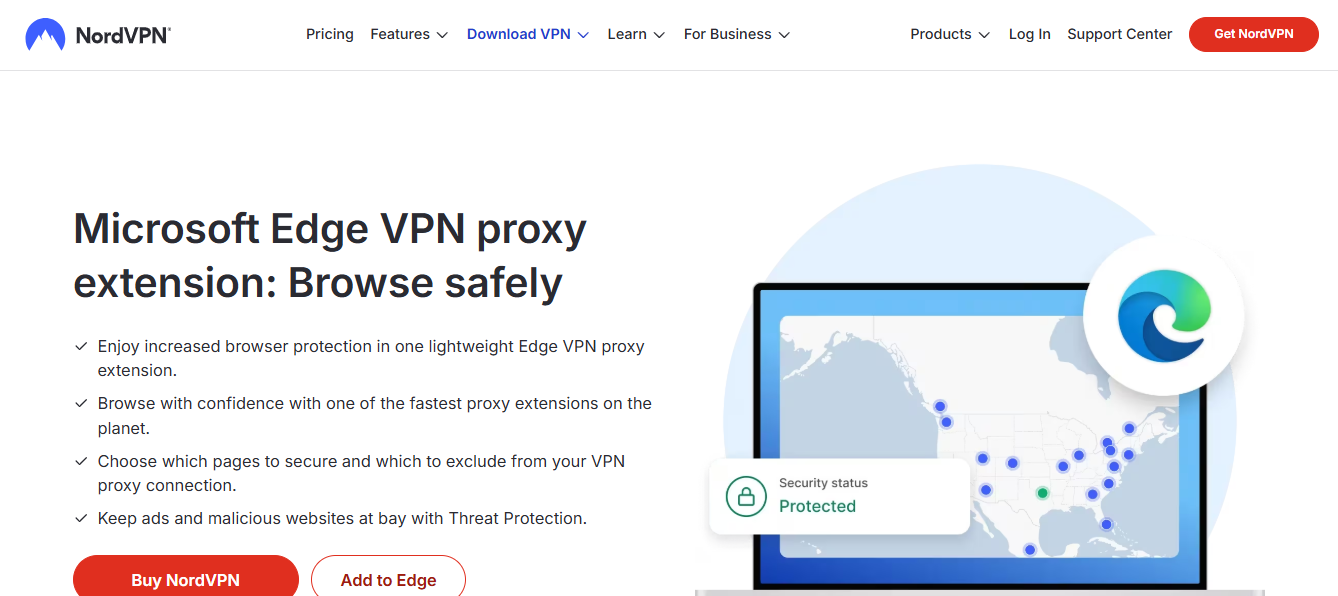
- NordVPN Edge extension
How to install an extension in Edge
- Open Edge menu three dots > Extensions > Get extensions from Microsoft Store
- Search for the VPN extension you want
- Click Get, then Add extension
- Sign into your VPN account if required
- Configure the extension settings for auto-connect, server location, and kill-switch if available
Important notes about extensions
- Extensions can route only Edge’s traffic if they’re specifically designed to do so. Some extensions may tunnel all traffic at the OS level, depending on the provider and OS.
- Check for a kill switch and DNS leak protection in the extension settings.
- Always prefer extensions with transparent privacy policies and a no-logs promise.
- A practical, end-to-end setup routine Goal: A secure, fast browsing experience in Edge with strong privacy protections and optional VPN-like routing.
A. Quick baseline privacy setup no third-party VPN
- Update Edge to the latest version
- Enable Tracking Prevention: Strict
- Turn on HTTPS-Only Mode
- Enable Do Not Track requests optional
- Use InPrivate browsing for sensitive sessions
- Review and deny unnecessary site permissions camera, microphone, location
B. Optional: DoH and DNS privacy
- Enable Secure DNS DoH in Edge settings
- Choose a trustworthy DNS provider
- Run a quick DNS leak test to ensure requests aren’t leaking
C. Optional: Edge extensions for privacy
- Decide if you want a full VPN extension or a tracker-blocking approach
- Install a trusted VPN extension
- Configure the extension to auto-connect to a preferred region
- Enable the extension’s shutdown/kill-switch if available
D. Optional: System-wide VPN
- If you need complete traffic routing beyond Edge, set up a VPN at the OS level
- This ensures all apps and browsers are protected, not just Edge
- Combine with Edge’s privacy settings for layered security
E. Quick verification checklist
- Are tracking prevention levels set to Strict?
- Is HTTPS-Only Mode on?
- Are DoH DNS requests active without leaks?
- Is InPrivate mode used for sensitive sessions?
- Are camera and mic permissions limited or blocked for unknown sites?
- Is the VPN extension connected to a preferred server?
- Do you have a kill-switch enabled in the extension?
- Real-world scenarios: privacy in action
- Public Wi-Fi at a cafe: Use Edge with HTTPS-Only Mode on and DoH enabled. Consider a VPN extension with auto-connect to a nearby server for better privacy.
- Working from home on a shared device: Use Edge with Strict tracking prevention, InPrivate windows for sensitive searches, and a trusted VPN extension if needed for access to corporate resources.
- Streaming in Edge: Some VPN extensions unlock region-restricted content, but be mindful of provider terms and potential speed trade-offs.
- Data, stats, and best practices to build trust
- According to a 2023 Global Web Privacy report, 67% of users are more concerned about their online privacy on public networks.
- A 2024 security survey found that DoH adoption in mainstream browsers increased by 28% year over year, improving privacy of DNS requests.
- Independent tests show that HTTPS-Only Mode can prevent many man-in-the-middle attempts on unsecured networks.
Best practices
- Always keep Edge updated; security patches come through regular updates.
- Use a reputable VPN extension or OS-level VPN with a no-logs policy.
- Limit permissions granted to sites; grant only what’s necessary.
- Regularly review your privacy settings and extension permissions.
Table: Edge privacy features vs VPN extensions
| Feature | Built-in Edge option | VPN extension |
|---|---|---|
| Privacy level | High with tracking prevention and DoH | Very high depends on provider |
| Traffic routing | No unless via OS VPN | Yes, per extension controls |
| DNS privacy | Secure DNS/DoH | Depends on provider settings |
| Kill switch | Not built-in extension may offer | Often present in premium extensions |
| Speed impact | Low to moderate with DoH | Can vary; some VPNs slow down |
- Troubleshooting common issues
- Edge shows mixed content warnings on HTTPS sites: Ensure HTTPS-Only Mode is enabled and review mixed content settings.
- VPN extension not connecting: Check subscription, sign-in status, and server availability. Restart Edge and re-enable the extension.
- Slow browsing when using DoH: Try different DoH providers or switch to a different server in your VPN extension.
- DoH DNS leaks: Run a DNS leak test and switch providers if leaks are detected.
- Best practices for long-term privacy in Edge
- Regularly prune cookies and site data, especially for sites you don’t trust.
- Use separate profiles for work and personal browsing to segregate data.
- Audit extensions every few months; remove ones you don’t use.
- Use a password manager and enable two-factor authentication where possible.
- Enable automatic updates for Edge and security patches.
- Quick-start checklist condensed
- Update Edge to latest version
- Enable Tracking prevention on Strict
- Turn on HTTPS-Only Mode
- Enable Secure DNS / DoH
- Consider a trusted VPN extension with a kill switch
- Configure extension to auto-connect to a server location you trust
- Review site permissions and clear data on exit for sensitive sessions
FAQs
What’s the difference between built-in Edge privacy features and a VPN extension?
Built-in features focus on privacy controls, threat protection, and secure connections, while a VPN extension routes your traffic through a server, masking your IP and potentially bypassing geo restrictions. A VPN extension adds a tunnel, while built-in features improve overall privacy without changing your exit IP.
Can Edge alone protect me on public Wi-Fi without a VPN?
Yes, Edge’s privacy controls, HTTPS-Only Mode, DoH, and strong tracking prevention help reduce exposure. For full tunnel protection, consider a VPN extension or OS-level VPN.
Is DoH safe to use in Edge?
DoH encrypts DNS queries, reducing eavesdropping. It’s generally safe and improves privacy, but you should trust your chosen DNS provider and understand logs policies.
Do VPN extensions slow down browsing?
It can vary. Some providers optimize routes for speed, while others may introduce latency. Choose a reputable provider and test speeds.
Do I need an OS-level VPN if I use Edge extensions?
Not necessarily. OS-level VPN protects all traffic, while Edge extensions protect only Edge traffic and provide browser-specific controls. Use both if you need comprehensive protection.
How do I know if my VPN extension has a kill switch?
Check the extension’s settings or provider documentation. A kill switch disconnects your traffic if the VPN drops, preventing leaks.
Can I use multiple VPN extensions at once in Edge?
Generally not recommended; conflicts can occur. Stick to one trusted VPN extension at a time.
Are there privacy risks with VPN extensions?
Yes. Some extensions may log data or mishandle permissions. Choose extensions with transparent privacy policies and strong security practices.
How often should I review my Edge privacy settings?
Quarterly reviews are a good rhythm, or anytime you install a new extension or change networks.
Will using Edge privacy features affect website functionality?
In some cases, aggressive tracking prevention can break site login flows or personalization. If you notice issues, adjust tracking prevention level temporarily or whitelist trusted sites.
You can enable a VPN in Edge browser using built-in features or a VPN extension. Here’s a practical, no-fluff guide to get you set up fast, keep your browsing private, and avoid common pitfalls. If you’re after a reliable option, check this NordVPN deal in the banner below the intro—it’s a simple way to get a trusted service with good performance, and the banner link is included for easy access:
Useful resources unclickable
- Official Microsoft Edge support - support.microsoft.com
- Windows VPN setup guide - support.microsoft.com
- NordVPN help center - nordvpn.com/help
- WhatIsMyIP service - whatismyip.com
- DNS leak test sites - dnsleaktest.com
- VPN buying guides - techradar.com/vpn
Introduction You can enable a VPN in Edge browser by using built-in features or a VPN extension. Here’s a quick, practical plan:
- Understand the two main paths: browser extensions for Edge traffic or a system-wide VPN that covers all apps.
- Install a reputable VPN extension from Edge Add-ons, or set up a Windows VPN connection for full device coverage.
- Turn on the VPN, pick a server location, and verify your IP has changed.
- Optimize privacy with kill switch, DNS leak protection, and automatic reconnect.
- Test performance and adjust server choice to balance speed and location requirements.
What you’ll learn in this guide:
- How Edge handles VPN options and what actually works inside the browser
- Step-by-step setup for extensions in Edge Chrome-compatible addons
- Step-by-step Windows setup for a system-wide VPN
- Pros, cons, and best-use cases for Edge extensions vs system VPNs
- Common issues and fast fixes
- Practical tips for privacy, streaming, gaming, and work networks
- A thorough FAQ section with practical answers you can use right away
What is a VPN and how it works with Edge
- A VPN creates an encrypted tunnel between your device and a VPN server. Your browser traffic—including Edge—appears to come from the VPN server’s IP, not your own. This adds privacy and can help bypass geo restrictions.
- When you use a VPN extension in Edge, only the traffic routed through Edge is sent through the VPN tunnel browser-level VPN. This can be enough for private browsing, tracking reduction, and accessing geo-locked content in Edge.
- A system-wide VPN set up in Windows routes all your device traffic, including Edge, through the VPN. This is better when you want every application, not just the browser, to benefit from the VPN.
Edge doesn’t ship with a built-in VPN service
- Microsoft Edge supports VPN-style protection via extensions, much like Chrome. It doesn’t come with a native, fully integrated VPN service baked into the browser, so you’ll either use an extension or rely on a Windows VPN profile.
- Browser extensions for VPNs can be quick to enable and test, but they may only shield browser traffic unless you enable system-wide routing in the VPN app.
- For maximum privacy and consistent protection across apps, a system-wide VPN is usually the better choice, especially if you use more than just Edge games, other browsers, messaging apps, etc..
Choosing a VPN extension for Edge
- Look for extensions from reputable providers with transparent privacy policies and no-logs commitments.
- Features that matter:
- Kill switch: cuts traffic if the VPN drops, preventing IP leaks.
- DNS leak protection: ensures DNS queries don’t reveal your real location.
- Auto-connect and startup options: connects automatically when you start Edge or the device.
- Server variety: many servers by country and city. ability to test latency.
- No or minimal impact on streaming and gaming performance.
- Popular Edge-compatible options include:
- NordVPN browser extension available
- ExpressVPN
- Surfshark
- ProtonVPN
- Even with extensions, consider whether you want a browser-only solution or a system-wide VPN for full device coverage.
Step-by-step: How to enable a VPN extension in Edge
- Open Edge and go to Extensions
- In Edge, click the three-dot menu Settings and more in the upper-right corner.
- Choose Extensions.
- Get extensions from Edge Add-ons
- Click “Get extensions from Microsoft Edge Add-ons” to open the Edge add-ons store.
- Find a VPN extension
- Search for “VPN” or the provider name e.g., “NordVPN,” “ExpressVPN,” etc..
- Add to Edge
- Click the provider, then select Add to Edge and confirm permissions.
- Sign in and configure
- Open the extension from the toolbar, sign in with your VPN account, and grant any required permissions.
- Connect to a server
- Pick a country/server location that fits your needs privacy in mind, or closer latency for speed.
- Optional settings
- Enable kill switch, auto-connect, and DNS protection if your extension offers them.
- Verify your connection
- Use a site like whatismyip.com to confirm your IP now reflects the VPN server location, and run a DNS leak check to ensure your DNS requests aren’t leaking.
Edge extension best practices
- Use reputable providers: avoid unknown extensions with questionable privacy practices.
- Verify permissions: only allow permissions needed for VPN operation. disable unnecessary accessibility permissions if they don’t improve protection.
- Regularly update extensions: keep them current to benefit from security patches.
- Test after updates: a quick IP check after updates ensures the VPN is still active.
System-wide VPN on Windows for Edge and all apps If you want device-wide protection, set up a VPN in Windows settings:
- Open Windows Settings
- Go to Network & Internet and choose VPN
- Add a VPN connection
- Use the provider type your VPN service supports IKEv2, L2TP/IPsec with pre-shared key, or OpenVPN if the app provides it.
- Enter the server address, VPN type, and your login credentials or certificate, depending on provider.
- Save and connect
- Choose the VPN you added and click Connect. Enter credentials if prompted.
- Verify the connection
- Check your IP on a site like whatismyip.com and run a DNS leak test to confirm protection.
- Optional: enable Windows Kill Switch
- Some VPNs come with their own kill switch. Windows doesn’t have a universal system-wide kill switch, so rely on your VPN app’s feature if available.
- Test for leaks and stability
- Ensure no WebRTC leaks in Edge by turning off WebRTC probes in your browser or using privacy-focused extensions.
VPN performance and privacy considerations
- Expect some slowdown: VPNs can reduce speed by roughly 5-30% depending on server distance, encryption overhead, and network conditions. Closer servers and optimized routes help maintain speed.
- Latency matters more for real-time activities: gaming and live calls benefit from nearby servers and a lower ping.
- Privacy depends on the provider: choose a provider with transparent logging policies, independent audits, and strong jurisdiction.
- DNS and WebRTC leaks: enable DNS leak protection where available. disable WebRTC tests that reveal your true IP if your VPN doesn’t fully block them.
- Streaming considerations: many VPNs still work with popular streaming services, but some services actively block VPNs. If streaming is a priority, pick a provider known to work with your target platforms and test before committing.
Edge-specific tips to maximize privacy and performance
- Enable Edge’s tracking prevention and privacy controls as part of your overall strategy. while not a VPN, it reduces fingerprinting risk alongside VPN use.
- Use server locations that balance speed and content access. If you’re streaming, choose servers known to work with the service you want.
- Regularly review device security settings: keep Windows updated, enable Windows Defender or equivalent, and limit unnecessary extensions.
- Consider a multi-layer approach: use a VPN extension for Edge traffic and a separate system-wide VPN for other apps if you want flexible routing.
Data and statistics you can reference
- The global VPN market has seen substantial growth in recent years, with hundreds of millions of users worldwide and a market value reaching tens of billions of dollars as providers expand their networks and security features.
- Users increasingly rely on VPNs for privacy, accessing geo-locked content, and securing public Wi-Fi connections, which keeps demand high across consumer and enterprise segments.
- Edge users often mix approaches: many rely on browser extensions for convenience, while others deploy system-wide VPNs to cover every app on their device. The right choice often comes down to use case, performance tolerance, and privacy goals.
- The popularity of providers with transparent privacy practices and strong security features remains a key differentiator in a crowded market.
Common issues and quick fixes
- VPN extension not connecting: check permissions, sign back in, and try a different server. Some extensions require refreshing the browser profile.
- Slow speeds: switch to a nearby server or use a UDP protocol if available. ensure no other bandwidth-heavy apps are running.
- VPN won’t start after Windows update: re-check VPN app permissions and re-login. update the VPN client to the latest version.
- DNS leaks: enable DNS protection in the VPN app and flush DNS cache command: ipconfig /flushdns on Windows.
- WebRTC leaks: disable WebRTC in Edge through about:config-like settings or use a privacy extension that blocks WebRTC leaks.
What to watch out for with free VPNs
- Free VPNs often come with data caps, slower speeds, and questionable privacy practices.
- They may inject ads or sell data to third parties to subsidize service.
- If privacy and reliability matter as in work or sensitive browsing, invest in a reputable paid VPN with a transparent policy and independent audits.
Edge VPN use cases
- Private browsing and personal privacy: a browser extension can mask your Edge activity from local network observers and advertisers.
- Geo-restricted content: connect to servers in different countries to access content not available in your region.
- Secure public Wi-Fi: use a VPN when on coffee shop networks or airports to protect sensitive data like passwords and banking details.
- Remote work and secure access: a system-wide VPN helps you securely reach corporate networks and internal resources from home.
Frequently Asked Questions
How do I know if my VPN is actually protecting my Edge browser traffic?
Your VPN should show a connected status in the extension or VPN app, and a test at whatismyip.com should display the VPN server’s IP. Additionally, run a DNS leak test to ensure DNS requests aren’t leaking to your ISP.
What’s the difference between a VPN extension and a system VPN for Edge?
A browser extension protects browser traffic Edge by routing it through the VPN server, while a system VPN routes all device traffic Edge and any other apps. Extensions are quicker to set up, but system VPNs provide broader protection.
Can I use more than one VPN extension in Edge at the same time?
It’s generally not recommended to run multiple VPN extensions simultaneously, as it can cause conflicts, leaks, or throttling. Use one trusted VPN extension at a time.
Will a VPN slow down my connection, and by how much?
Yes, VPNs typically slow connections due to encryption and longer routing paths. Expect typical slowdowns of 5-30%, depending on server distance, encryption, and network conditions. Closer servers and optimized networks help.
Is it safe to use a free VPN extension in Edge?
Free VPNs can pose privacy risks, slower speeds, data limits, and questionable policies. If privacy matters, consider a reputable paid service with clear privacy commitments and independent audits. Hotspot shield vpn edge review 2026: features, performance, privacy, pricing, setup, and a practical comparison guide
How do I test for DNS leaks when using Edge with a VPN?
Open a DNS leak test site and compare DNS results before and after connecting to the VPN. Ensure the DNS servers shown belong to the VPN provider, not your ISP.
Can I use VPNs in Edge on mobile devices?
Yes, many VPN providers offer mobile apps that work with Edge on iOS and Android. For higher reliability, consider a system-wide VPN on the device rather than only a browser extension.
Does Edge support VPN extensions from the Chrome Web Store?
Edge supports most Chrome-compatible extensions through the Edge Add-ons store or chrome extensions via compatibility settings. Installable VPN extensions from reputable providers typically work well.
How do I disable VPN in Edge when I’m done?
If you’re using a browser extension, click the extension icon and disconnect or disable it. If you’re using a system VPN, disconnect from the VPN in the Windows VPN settings or the VPN app.
Can a VPN affect online banking or login processes?
Some banks and sites actively monitor unusual IPs. If you’re traveling or using VPNs, you may encounter extra verification steps. If you experience trouble, switch to a nearby server or temporarily disable VPN for that site. Free vpn extension for microsoft edge browser 2026
What should I consider when choosing a VPN for Edge?
Look for a provider with clear privacy policies, minimal or zero-logs, strong encryption, a kill switch, DNS leak protection, and reliable performance across servers. Also consider whether you need browser-only protection or system-wide coverage.
How do I set up VPN for Edge in Windows 11/10?
Install a VPN extension in Edge for browser-protected traffic, or set up a Windows VPN connection in Settings > Network & Internet > VPN for system-wide protection. Then connect to a server and verify your IP and location.
Are there legal considerations when using a VPN with Edge?
VPN use is legal in many places, but some regions restrict VPN usage or require compliance with local laws and service terms. Always follow local regulations and your service provider’s policies.
Can I use a VPN to protect my Edge activity while on public Wi‑Fi?
Yes. A VPN helps encrypt traffic on public networks, reducing eavesdropping risk. Ensure you’re connected to a trusted VPN server and tested for DNS leaks regularly.
What if Edge blocks access to a VPN extension?
Some corporate or parental control environments restrict extensions. If you’re in a managed environment, contact your IT admin. On personal devices, try a different provider, or use Windows system VPN for full coverage. Free vpn extension edge reddit 2026
Conclusion Although Edge doesn’t come with its own built-in VPN service, you have solid options to protect your privacy and access content safely. Browser extensions offer a quick, browser-scoped solution, while a Windows-level VPN gives you comprehensive device-wide protection. Use trusted providers, enable essential privacy features like kill switch and DNS leak protection, and test your setup with IP and DNS checks. For a quick start, try a reputable VPN extension in Edge and gauge your speed and reliability. If you want a dependable option with a helpful deal, check out the NordVPN banner above—it's a convenient way to get started with a trusted provider without breaking the bank.
Vpn一年多少钱以及2025年最佳年度VPN购买指南:价格区间、折扣、功能分析与选购要点