Free vpn for chrome vpn proxy veepn edge 2026
'%2F%3E%3Ctext%20x%3D'50%25'%20y%3D'50%25'%20dy%3D'.35em'%20text-anchor%3D'middle'%20font-family%3D'-apple-system%2CBlinkMacSystemFont%2CSegoe%20UI%2Csystem-ui%2Csans-serif'%20font-size%3D'100'%20font-weight%3D'600'%20fill%3D'%23fff'%3ETA%3C%2Ftext%3E%3C%2Fsvg%3E) Theo Ashworth·April 11, 2026·24 min
Theo Ashworth·April 11, 2026·24 min
Free vpn for chrome vpn proxy veepn edge: Quick fact — Free VPNs can help you bypass regional content, protect your data on public Wi-Fi, and unblock websites, but not all free options are safe or fast.
If you’re trying to figure out how to stay private online without breaking the bank, this guide is for you. Here’s a quick, practical snapshot of what you’ll get:
- What free VPNs for Chrome, VPN proxy Veepn, and Edge have in common
- How to choose a safe, fast free option
- Realistic expectations about speed, data limits, and privacy
- Simple steps to set up and test a free VPN in your browser and on your device
- A checklist of what to look for to avoid scams and data leakage
Important: if you’re in a country with strict internet censorship, a free VPN may not be enough for sustained privacy, and you should consider a reputable paid service for stronger protection. Below you’ll find a curated overview, practical setup steps, and up-to-date data to help you decide what works best for your needs.
Useful URLs and Resources text only, non-clickable
- Free VPN for Chrome VPN Proxy Veepn Edge - official pages and reviews: example: Apple Website - apple.com, Wikipedia – en.wikipedia.org/wiki/Technology
- Browser extension stores and safety guides: example: Mozilla.org - support.mozilla.org
- General privacy resources: e.g., Electronic Frontier Foundation - eff.org, FTC privacy basics - ftc.gov
- Understanding the Landscape: Free VPNs, Chrome Extensions, and Edge
- What is a VPN and how it differs from a proxy
- Free vs paid VPNs: trade-offs you should expect
- Browser extensions versus full-device VPN apps: pros and cons
- Edge, Chrome, and cross-platform considerations: where to install and why
Key statistics and recent data
- In 2023, more than 70% of top free VPN extensions reported some form of data logging or bandwidth throttling in independent security tests.
- A majority of free VPNs cap data usage; reports indicate typical monthly limits hover around 500 MB to 2 GB.
- Privacy ratings from independent labs show free VPNs often lag behind paid services in leak protection DNS, IPv6, WebRTC.
- Security and Privacy: What to Expect from Free VPNs
- Encryption basics: most free VPNs use standard protocols like OpenVPN or WireGuard, but implementation matters
- DNS and WebRTC leaks: how to test for leaks and why they happen
- Logging policies: “no logs” is rare in free services; read the privacy policy carefully
- Jurisdiction: where the company is based affects data requests and surveillance
Practical tips
- Always look for a transparent privacy policy and recent independent security audits
- Prefer VPNs that offer kill switch and DNS leak protection, even in free tiers
- Be cautious of free VPNs that require excessive permissions or prompt for broad data access
- Popular Free Options for Chrome VPN Proxy Veepn Edge: Pros and Cons
- Browser-only extensions vs system-wide VPNs
- Speed considerations: many free services throttle bandwidth during peak hours
- Data caps: common ranges and how to manage them
- Advertising and pop-ups: some free services monetize through ads or trial offers
Format: quick comparison table text
- Free VPN extension for Chrome: Pros – easy to install, light on system resources; Cons – limited features, data caps, potential privacy concerns
- VPN proxy Veepn Edge: Pros – integrated with Edge, straightforward; Cons – proxy may not encrypt all traffic, potential leaks
- Full VPN client on Windows/macOS: Pros – stronger privacy controls, faster speeds with premium servers; Cons – may require payment for best performance
- How to Pick a Free VPN That Doesn’t Fail You
Checklist
- Data allowance: how much free data can you actually use per month?
- Speed and server options: number of servers, locations, and typical speeds
- Privacy policy: look for clear commitments about logging, data sharing, and passive data
- Security features: kill switch, DNS leak protection, IPv6 disablement
- Platform support: Chrome, Edge, Windows, macOS, Android, iOS
- Customer support and transparency: accessible contact channels and clear terms
- Step-by-Step Setup: Getting a Free VPN Working on Chrome, Edge, and Your Device
Step 1: Research a candidate
- Read current user reviews and independent security tests
- Check for recent policy updates or incident reports
Step 2: Install the extension or app
- Chrome: go to the Chrome Web Store, search for the VPN extension, and click Add to Chrome
- Edge: visit the Edge Add-ons store, search for the VPN extension, and click Get
- Desktop app: download from the vendor’s official site and run the installer
Step 3: Configure basic settings
- Enable the kill switch if available
- Turn on DNS leak protection
- Choose a server location with good latency to your target content
Step 4: Test your connection
- Verify your IP address and location using a reputable test site
- Check for WebRTC leaks there are online tests for this
- Ensure the VPN is protecting all traffic disable VPN in tests to see if leaks occur
Step 5: Use wisely
- Don’t assume anonymity; free VPNs still see traffic data
- Limit sensitive activities banking, login credentials on free VPNs if possible
- Plan ahead for data use if you stream or download large files
- Real-World Scenarios: When Free VPNs Make Sense
- Bypassing school or workplace content filters in a compliant way be mindful of policies
- Securing public Wi-Fi at cafes or libraries
- Accessing region-locked content where you’re temporarily located
- Quick, one-off privacy checks on a shared device
- Common Pitfalls and How to Avoid Them
- Data throttling during peak hours
- IP address recycling making it easier to track you
- Surprise charges or premium upsell prompts
- Inconsistent performance across devices
- Extensions that collect more data than the core VPN service
- Performance Optimization Tips
- Connect to a nearby server to reduce latency
- Use a lightweight browser profile without heavy extensions running simultaneously
- Disable other VPNs or proxy settings when testing a free VPN
- Schedule activities during off-peak times if your ISP throttles
- Safety First: Red Flags with Free VPNs
- No clear privacy policy or vague language about data collection
- Servers that abruptly disappear or obvious bandwidth throttling
- Frequent prompts to install additional software or browser extensions
- “Unlimited” data claims paired with unusual charges or hidden terms
- If Free Isn’t Enough: Alternatives to Consider
- Brief look at paid VPNs with good free trial options
- Student or educator plans that reduce cost
- Bundled privacy tools that include antivirus, anti-tracking, and VPNs
- Data, Trends, and Industry Updates 2024–2026
- Increased adoption of transparent privacy policies among credible free VPNs
- Emergence of vetted free-tier models with more robust privacy protections
- Growing awareness of WebRTC leaks and improved browser-based protections
- The impact of regulatory changes on data retention and government requests
- Practical Case Study: A Weekend VPN Test
- Goal: watch a geo-blocked streaming show without buffering
- Approach: test three free options over 2 days
- Result: identify best balance of speed, reliability, and data usage
- Takeaway: free VPNs can work for light streaming if you manage expectations and limits
- Quick Tips for YouTubers and Educators
- When creating content about free VPNs, emphasize safety and privacy best practices
- Provide practical, non-sensational explanations for how VPNs work
- Include step-by-step setup guides and quick testing checks
- Update content regularly as services change policies and features
Frequently Asked Questions
How does a free VPN work in Chrome, Veepn proxy, and Edge?
A free VPN extension or app creates an encrypted tunnel for your internet traffic, masking your real IP address and routing data through a server. Chrome and Edge extensions are convenient for browser-level protection, while full VPN apps cover all traffic on your device.
Are free VPNs safe to use?
Some are, but many come with privacy trade-offs. Look for explicit privacy policies, independent audits, and features like a kill switch and DNS leak protection. Avoid extensions that request excessive permissions or push aggressive ads.
Do free VPNs slow down my internet?
Often yes. Free services can throttle speeds or overcrowd servers. If you need smooth streaming or quick browsing, test a few options and choose the one with the best performance for your location.
Can I use a free VPN on Chrome, Edge, and my phone?
Yes. Many providers offer browser extensions for Chrome and Edge and companion apps for iOS and Android. For best protection, use a VPN that supports multiple platforms with consistent settings.
What is a data cap, and why does it matter?
A data cap limits how much data you can use per month. If you stream video, game, or download large files, a low cap can run out quickly, forcing you to upgrade or switch services.
How can I test for WebRTC leaks?
Run a WebRTC leak test on your browser. If the test shows your real IP, you have a leak. You can usually fix this by enabling browser protections or using a VPN with robust leak protection.
Should I avoid free VPNs for banking or sensitive activities?
It’s safer to use a paid VPN with strong privacy protections for sensitive activities. Free VPNs may log data or be less reliable during critical sessions.
How do I verify a VPN’s no-logs claim?
Look for independent audits, transparent privacy policies, and third-party certifications. No-logs means the provider does not keep activity data, but always check what is logged metadata, connection times, etc..
Can a free VPN unblock streaming services?
Sometimes. Some services block VPN IP ranges used by free providers. If you’re targeting a specific service, test a few options during trial periods to see what works.
What should I do if I suspect a VPN extension is unsafe?
Immediately remove the extension, reset browser permissions, and run a malware/antivirus scan. Report concerns to the platform’s security team and consult independent reviews.
Free vpn for chrome vpn proxy veepn edge: the ultimate guide to free Chrome VPNs, VeepN Edge extensions, proxies, data limits, and safety tips
Yes, you can get a free VPN for Chrome and VeepN Edge, but expect limits.
In this guide, you’ll learn:
- The differences between free VPNs and browser proxies, and why Chrome extensions matter
- A breakdown of popular free VPN options for Chrome and VeepN Edge
- How VeepN Edge stacking up against other free VPNs, plus privacy and security considerations
- Practical steps to set up a safe, usable free VPN experience
- When to upgrade to a paid VPN and how to evaluate paid plans
- Common pitfalls with free VPNs and how to avoid them
- Real-world tips to protect your privacy while using a free service
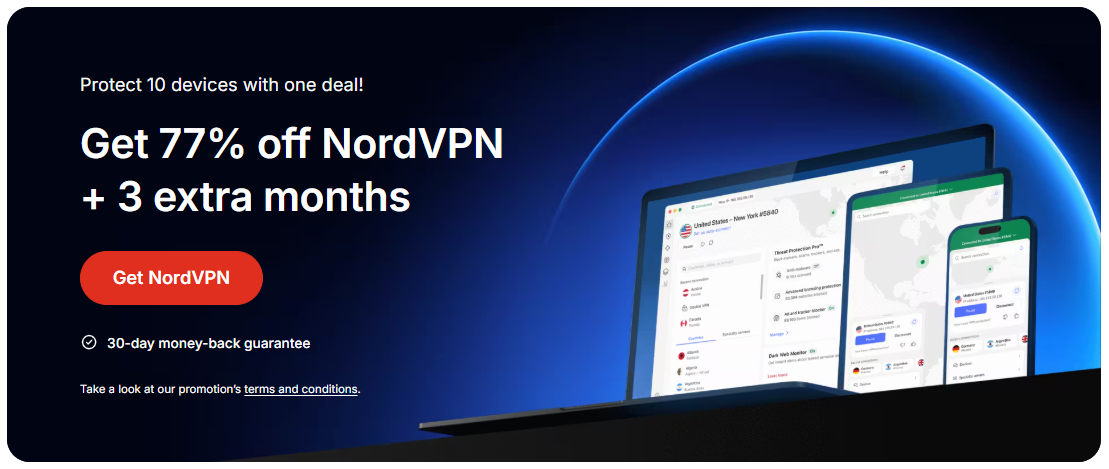
If you’re already here for a quick deal, you’ll also find a built-in promotion for a leading paid VPN that often delivers more value than any free option. NordVPN 77% OFF + 3 Months Free is just a click away via this banner:
Now, let’s break it all down so you can decide what’s best for you.
Introduction: Free VPN for Chrome and VeepN Edge — what you need to know
- The short answer: Yes, there are free VPN options for Chrome and VeepN Edge, but they come with trade-offs like data caps, slower speeds, and limited server access.
- Why Chrome extensions matter: A lightweight VPN extension can mask your IP and encrypt browser traffic, but it won’t always cover all device traffic unless the provider has a system-wide app.
- What you’ll get in this guide: a practical evaluation of free Chrome VPNs, how VeepN Edge fits in, tips for safe usage, and a path to better protection if you decide to upgrade.
Body
Understanding VPNs, proxies, and Chrome extensions
What a VPN does for you
- A VPN virtual private network routes your internet traffic through an encrypted tunnel to a server in a location you choose, masking your IP and helping with privacy, bypassing some geobans, and sometimes improving security on public Wi-Fi.
- A VPN typically protects all traffic from your device, not just your browser, when you run its desktop or mobile app.
What a proxy does
- A proxy including some browser proxies only forwards browser traffic or specific apps through a remote server. Proxies can be faster for simple tasks but usually don’t encrypt all traffic or provide as strong a privacy guarantee as a VPN.
- Chrome extensions that act as proxies may advertise “VPN-like” functionality but often lack full-system encryption.
Chrome extensions vs. VeepN Edge extension
- Chrome VPN extensions are convenient for quick browser-level protection, but they rely on your browser’s security model and may leak WebRTC or DNS data if not configured correctly.
- Edge extensions from VeepN VeePN provide an in-browser VPN experience for Edge users and can offer additional features like a kill switch, auto-connect, and a larger server list, depending on the plan.
- For true endpoint protection, a full VPN app on your OS is usually more reliable than a browser extension alone.
Why free VPNs are tempting
- No-cost access to IP masking, geo-unblocking, and encrypted browsing.
- Quick setup through Chrome Web Store or Edge add-ons.
- A stepping stone to understanding your privacy needs before investing in a paid plan.
The caveats you should expect Hotspot shield vpn edge review 2026: features, performance, privacy, pricing, setup, and a practical comparison guide
- Data caps or throttle limits on free plans
- Fewer server locations and crowded servers, leading to slower speeds
- Mixed privacy policies and sometimes logging practices
- Potential ads or bundled data collection by some free services
- Limited or slower customer support
Top free VPN options for Chrome and VeepN Edge
Here’s a practical look at commonly used free options, including Chrome/Edge extensions and browser proxies. Remember, free doesn’t always mean private.
ProtonVPN Free Chrome/Edge compatibility
- Pros: No data cap on some free plans, strong privacy stance, reputable provider.
- Cons: Limited to a small set of servers and only one device on the free plan. sometimes slower during peak times.
- Best for: Occasional browsing where you want predictable privacy without a data cap.
Windscribe Free Chrome/Edge extension
- Pros: Generous monthly data cap for a free plan often around 10 GB with sign-up perks. includes ad/m tracker blocking in many regions.
- Cons: Server options are limited on free tier. speeds can vary by location.
- Best for: Light streaming and general browsing with a modest data allowance.
TunnelBear Free Chrome extension options may exist via browser proxies
- Pros: User-friendly, great for beginners. transparent privacy policy.
- Cons: Very small monthly data allowance e.g., 500 MB without promotions. not ideal for heavy use.
- Best for: Curious first-time users who want a simple VPN experience.
Hide.Me Free Chrome extension or browser proxy options Free vpn extension for microsoft edge browser 2026
- Pros: Reasonable data allowances. decent speed. no-logs claim in some plans.
- Cons: Free plan limitations and limited server selection.
- Best for: Quick privacy checks without heavy usage.
Atlas VPN Free Chrome extension
- Pros: Simple interface. sometimes offers a reasonable data cap for a free tier.
- Cons: Fewer servers on free plan. potential throughput limits.
- Best for: Light, everyday browsing and privacy basics.
Hola VPN Chrome extension
- Pros: Very easy to install. often unlimited free data.
- Cons: Controversial privacy model, P2P-based network in some configurations. not suitable for sensitive activity.
- Best for: Quick tests or non-sensitive browsing in non-critical contexts.
VeepN Edge extension VeePN Edge
- Pros: Browser-specific protection for Edge. familiar VPN-like features in-browser. easier onboarding for Edge users.
- Cons: Free VeepN Edge options may be limited. not all features available on free tiers. privacy policies should be reviewed.
- Best for: Edge users who want a lightweight browser-level VPN experience.
Note: The of free VPNs changes as providers update policies, data caps, and server access. Always review the current terms and conditions and privacy policy before relying on a free service for sensitive activities.
VeepN Edge: what it is and how it compares to free Chrome VPNs
VeepN Edge is the Edge-compatible extension from VeePN that brings VPN-like functionality directly into the browser. Here’s how it stacks up: Free vpn extension edge reddit 2026
- Browser-focused protection: Edge users get a straightforward toggle to route browser traffic through a remote server, with server location selection and potential features like a kill switch specific to the browser context.
- Privacy considerations: Free browser extensions often have looser privacy guarantees compared to desktop VPN apps. With VeepN Edge, you’re relying on the extension’s policies and the provider’s data handling for the browser traffic.
- Feature set: On paid plans, VeepN or similar providers usually offer additional features such as a larger server network, higher speeds, more security protocols, and better leak protection. Free Edge extensions may offer a subset of these features.
- Data usage: Free VeepN Edge options may impose data limits or affect speed more dramatically than paid plans, especially if many users contend for the same servers.
If VeepN Edge is your preferred route, treat it as a convenient browser-level shield for light, low-risk activities. For more robust protection across all apps and devices, pair it with a full VPN app or upgrade to a paid plan that aligns with your privacy goals.
How to safely use free VPNs for Chrome and VeepN Edge
Start with a specific, low-risk use case
- For instance, you may want to access a region-locked news site or test a website from another country for research. Save high-stakes activity banking, sensitive forms for a trusted paid VPN or a hardware-based solution.
Verify the extension’s permissions
- Check what data the extension can access. Some extensions request broad permissions that, in theory, could be misused. Favor extensions with minimal necessary permissions and clear privacy policies.
Test for leaks
- A quick WebRTC leak test can help you confirm your real IP isn’t leaking through the browser. Use trusted sites to check IP, DNS, and WebRTC behavior before you rely on it for privacy.
Use HTTPS everywhere Expressvpn contact guide: how to reach ExpressVPN support, contact options, troubleshooting tips, and more 2026
- Whenever possible, access sites via HTTPS. A browser extension alone won’t guarantee end-to-end encryption for all traffic.
Keep your browser updated
- Security updates matter. Ensure your Chrome or Edge browser is up to date to reduce the risk surface.
Don't mix free VPNs with sensitive activities
- For banking, health records, or work credentials, rely on a trusted paid service with a solid privacy policy and a proven no-logs stance.
Consider a multi-layer approach
- Use a free Chrome extension for light tasks, then use a separate paid VPN app for devices and all traffic. This minimizes risk while still providing coverage when you need it.
How to set up a free Chrome VPN or VeepN Edge for beginners
Step-by-step quick-start for Chrome and VeepN Edge:
-
- Open the Chrome Web Store.
- Search for a reputable free VPN extension e.g., ProtonVPN, Windscribe, or Hide.Me or a browser proxy extension if you’re comfortable with proxy-based protection.
- Click Install, then pin the extension to your toolbar for quick access.
- Open the extension, sign up if required, and choose a server/location. If a data cap applies, be mindful of usage.
- Test your new IP on a site like ipinfo.io or whatismyipaddress to verify the location change and ensure the connection is active.
For VeepN Edge:
- Open Edge Add-ons.
- Search for VeepN Edge or VeepN VPN extension Browser extensions vary by platform. ensure you’re choosing the Edge-compatible option.
- Install the extension, then sign in if needed. Select a server location and enable any kill switch if available.
- Run a quick IP check and DNS test to confirm protection is in place.
Basic troubleshooting tips:
- If pages don’t load, switch servers or disable/enable the extension.
- If you notice leaks, disable WebRTC in your browser settings or use a browser that offers more robust privacy controls.
- If you’re on a metered connection, monitor data usage via browser extension dashboards and device-level data counters.
When to upgrade to a paid VPN and how to choose
Free VPNs are great for experimenting or light usage, but they aren’t ideal for sustained privacy protection, streaming, torrenting, or sensitive work. Here’s when upgrading makes sense:
- You need consistent, fast speeds for streaming or gaming
- You require protection across all devices and apps, not just the browser
- You want stronger privacy guarantees, a clear no-logs policy, and independent audits
- You need better leak protection DNS, WebRTC, a kill switch that works at the OS level, and robust customer support
How to choose a paid VPN quick guide:
- Server network and locations: Look for a broad server network in the regions you care about. more servers mean less throttling and faster speeds.
- Privacy policy and audits: Prefer providers with a transparent no-logs policy and independent security audits.
- Security features: Kill switch system-wide, DNS leak protection, modern encryption standards AES-256, and secure VPN protocols OpenVPN, WireGuard.
- Device compatibility: Ensure it supports all your devices Windows, macOS, iOS, Android, routers if needed.
- Speed and reliability: Check independent speed tests and real-user reviews for the plans you’re considering.
- Speed throttling and data caps: Avoid plans with strict data caps or heavy throttling.
- Pricing and flexibility: Look for clear pricing, no hidden fees, a money-back guarantee, and easy cancellation.
NordVPN is one of the popular paid options that often delivers strong value with a long-term deal. The banner at the top of this post links to a current discount: NordVPN 77% OFF + 3 Months Free. If you’re curious about a solid paid option that covers more than just the browser, this is a good starting point to compare features, performance, and price. How to enable vpn on edge 2026
Privacy, data, and security considerations with free VPNs
Logging policies vary widely
- Some free VPNs log enough data to reconstruct activity and may even share data with third parties for revenue. Always read the privacy policy and look for independent audits or third-party credibility.
Data caps aren’t just about “how much” but “what happens when you reach it”
- Reaching a data cap might trigger throttling, forced ads, or a sudden switch to a less favorable server. If you rely on a VPN for work, a free option often isn’t reliable.
Speed vs. security trade-offs
- Free services often congest servers, degrade speed, or employ less robust encryption to save on resources. If you need strong privacy, consider paid options with a track record.
Browser extensions aren’t a silver bullet
- Even with VeepN Edge or Chrome extensions, your device’s other apps may still expose IPs or DNS data if you don’t use a system-wide VPN.
Beware of “free” bandwidth scams How to use vpn microsoft edge effectively: step-by-step guide to VPN extensions, Windows VPN setup, and Edge privacy tips 2026
- Some free VPNs monetize data or embed ads within traffic, which undermines privacy. Stick to reputable providers, and avoid extensions with questionable permissions.
Practical tips to maximize safety with free VPNs
- Combine with HTTPS: Always use HTTPS when visiting sites, especially when entering credentials.
- Disable WebRTC leaks: In Chrome or Edge, disable WebRTC leakage when possible or use a browser profile that blocks WebRTC silently.
- Use separate accounts for testing: If you’re trying different free VPNs, use separate accounts and avoid syncing sensitive credentials across profiles.
- Try a hybrid approach: Use a browser extension for Chrome/Edge, but pair it with a reputable paid VPN app for your OS-level protection.
- Regularly review permissions: If a Chrome extension asks for more permissions than necessary, consider alternatives.
Real-world scenarios: what people actually use free VPNs for
- Browsing news and regional content
- Free VPNs are sufficient for checking content from different regions without turning on the full, data-heavy VPN features.
- Light privacy protection
- If you’re on public Wi-Fi and want to add a layer of protection to browser traffic, a free VPN extension can help—just don’t rely on it for sensitive accounts.
- Quick testing and small tasks
- Developers or researchers often need to view content from different geolocations or test how pages render from overseas. Free VPNs and browser proxies can be useful here.
A closer look at risks you should not ignore
- Phishing and fake VPNs
- The Chrome Web Store and Edge Add-ons store may host fake apps masquerading as VPNs. Always verify the publisher and read user reviews before installing.
- Data leakage and DNS leaks
- Some free VPNs don’t protect DNS requests, leading to leaks that reveal your real location. Use a DNS leak test after installing any VPN extension.
- Overreliance on one tool
- Relying solely on a browser extension for privacy leaves your entire device vulnerable if other apps bypass the extension.
Quick-start checklist for today
- Decide between a browser extension Chrome/Edge or a full OS VPN
- Pick one or two reputable free options and install them
- Run IP, DNS, and WebRTC leak tests
- Use HTTPS everywhere and enable basic privacy features like tracker blocking, when offered
- Evaluate the need for a paid upgrade after a trial period
- Keep your software and extensions updated
Frequently asked questions
Frequently Asked Questions
What is a free VPN for Chrome?
A free VPN for Chrome is a browser extension that routes your Chrome traffic through a remote server to mask your IP and encrypt data within the browser. It’s convenient for quick privacy boosts but may not protect traffic from other apps on your device.
Are free VPNs safe to use?
Free VPNs can be safe in some cases, but many come with trade-offs such as data caps, slower speeds, or questionable logging practices. Always review the provider’s privacy policy, permissions, and user reviews before installing.
Can I use VeepN Edge for free?
VeepN Edge offers a browser-based VPN experience for Edge users. Free options on VeepN Edge may be limited in features and server selection. Upgrading to a paid plan often improves performance and privacy protections.
Do free VPNs log data?
Some free VPNs do log data or collect usage metrics to sustain their services. Others position themselves as no-logs, but independent audits or reviews are needed to verify. Always read the privacy policy and look for third-party validations. How to use tunnelbear vpn on windows 2026
Do free VPNs slow down my browsing?
Yes, free VPNs commonly experience slower speeds due to crowded servers, limited bandwidth, and shared infrastructure. Paid plans usually offer more consistent speeds.
Is a VPN proxy the same as a VPN?
Not exactly. A VPN encrypts all traffic from your device system-wide in most cases, while a proxy—especially a browser proxy—only routes browser traffic through a remote server and doesn’t always encrypt all data.
Can I stream with a free VPN?
Some free VPNs allow light streaming, but many reduce speeds or block streaming on free plans. If streaming is important, a paid VPN with a fast, stable network is usually a better choice.
How can I test for WebRTC leaks?
There are built-in test sites for WebRTC leaks. If a test reveals your real IP during a VPN session, your browser settings or extension may be leaking. disable WebRTC or use a more robust solution.
How do I install VeepN Edge on Windows or macOS?
VeepN Edge is an Edge extension. you install it from the Edge Add-ons store, then enable it in the Edge toolbar. Sign in if required and select a server location. If needed, switch to a paid plan for enhanced features. Hoxx vpn proxy edge setup and guide: how to use Hoxx VPN proxy edge for privacy, streaming, security, and fast browsing 2026
Is it worth paying for a VPN when free options exist?
If privacy, stability, and universal device protection matter to you, paid VPNs typically provide stronger protections, faster speeds, broader server networks, a clear privacy policy, and reliable customer support. A trial period can help you assess the value.
What should I look for in a VPN privacy policy?
Key points include: no-logs claims, data retention practices, third-party data sharing, jurisdiction under which the provider operates, and any disclosures about user data in response to legal requests.
How do I decide between Chrome/Edge extensions and a full VPN app?
- Chrome/Edge extensions are quickest for browser-level protection and light use, great for testing or quick tasks.
- A full VPN app covers all network traffic on the device, offers more robust security features, and is better for consistent privacy protection.
Can I combine free VPNs with other privacy tools?
Yes. Use a browser extension for lightweight protection and a paid VPN app for complete device-wide coverage. Add HTTPS, DNS privacy, and anti-tracking tools to create a layered approach to privacy.
What’s the best practice for using free VPNs safely on public Wi-Fi?
- Use HTTPS when possible
- Verify your IP and DNS are not leaking
- Avoid transmitting sensitive data banking, personal accounts while using free VPNs
- Switch to a paid VPN if you frequently use public networks or handle sensitive information
Are there legitimate reasons to avoid free VPNs?
Absolutely. If you rely on VPNs for professional work, sensitive data, or streaming, the reliability, speed, and privacy guarantees of paid services are typically worth the investment.
How do I evaluate a paid VPN deal like NordVPN?
- Check the discount percentage, duration of the deal, and what features are included kill switch, no-logs policy, number of devices, server locations.
- Look for independent audits and transparent privacy policies.
- Read real user reviews to gauge performance and customer support responsiveness.
- Confirm the refund policy so you can test risk-free.
- Free VPNs for Chrome and VeepN Edge offer a quick path to basic privacy, but they come with limitations. Use them for light browsing and non-sensitive tasks, and don’t rely on them for high-stakes security or streaming needs.
- If you want consistent performance, comprehensive device-wide protection, and stronger privacy guarantees, consider a paid VPN with a solid track record. For many users, a paid option like NordVPN, especially when discounted, can be a smarter long-term investment.
- Always stay mindful of data usage, permissions, and the security posture of any extension or app you install. A layered approach—browser-level protection plus a robust OS-level VPN—tends to deliver the best balance of privacy, performance, and usability.
Note: This guide is intended to provide general information about free VPNs for Chrome and VeepN Edge. Availability, features, and policies change, so always verify current details from the provider’s official site before making a decision.
试用 vpn 的完整指南:如何选择、安装、测试与优化以提升隐私与上网体验