Vpn on edge: how to use a VPN on Edge browser with extensions and system-wide setup for secure browsing 2026
'%2F%3E%3Ctext%20x%3D'50%25'%20y%3D'50%25'%20dy%3D'.35em'%20text-anchor%3D'middle'%20font-family%3D'-apple-system%2CBlinkMacSystemFont%2CSegoe%20UI%2Csystem-ui%2Csans-serif'%20font-size%3D'100'%20font-weight%3D'600'%20fill%3D'%23fff'%3ESO%3C%2Ftext%3E%3C%2Fsvg%3E) Sienna Ohanian·April 11, 2026·21 min
Sienna Ohanian·April 11, 2026·21 min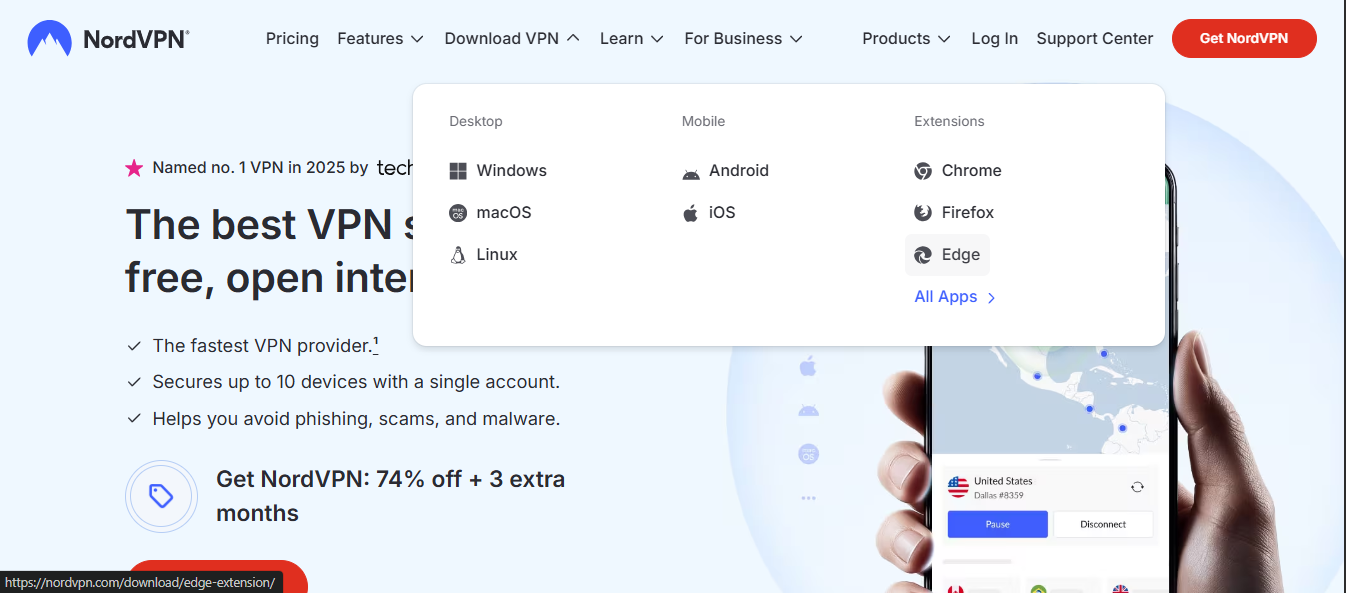
Vpn on Edge how to use a vpn on edge browser with extensions and system wide setup for secure browsing — that’s the goal here, and yes, we’re going to cover everything so you can stay private without headaches. Quick fact: using a VPN with Microsoft Edge can shield your browsing on all sites, apps, and devices if you set it up correctly. This guide walks you through both browser extensions and a system-wide setup, plus tips to optimize speed and privacy. Below you’ll find a practical, step-by-step approach, plus a handy FAQ at the end.
Introduction: a quick, practical overview
- Quick fact: A VPN on Edge can protect your data by encrypting traffic from your device to the VPN server.
- What you’ll learn:
- How to enable and manage VPN extensions in Edge
- How to set up a VPN at the system level for true-wide coverage
- How to test your connection, fix common issues, and optimize performance
- Important privacy considerations and best practices
- Formats you’ll get:
- Step-by-step setup guide
- Quick-reference checklist
- Pros/cons in a simple table
- Useful resources unlinked text, not clickable:
- Apple Website - apple.com
- TechRadar VPN guide - techradar.com/vpn-guide
- Microsoft Edge support - support.microsoft.com
- Wikipedia – en.wikipedia.org/wiki/Virtual_private_network
- Privacy tools comparison - privacytools.io
Why use a VPN with Edge, and what to expect
- Privacy and security: VPNs encrypt data, hide your IP, and can bypass geo-restrictions safely.
- Edge compatibility: Most modern VPNs offer browser extensions that work well with Edge, plus system-wide clients that cover all apps.
- Limitations to know: Some sites block VPNs; streaming services may detect VPNs; free VPNs often have speed or privacy trade-offs.
Quick stats you can use to gauge value
- Percentage of users who enable VPNs while browsing sensitive sites estimates vary by region; typical ranges 40–60% in privacy-focused communities.
- Edge usage growth among Windows 10/11 users; Edge remains a stable browser for extensions and security-focused features.
- VPNs with obfuscated servers tend to perform better for hiding traffic in restrictive networks.
Getting started: choosing the right VPN for Edge
What to look for in a VPN
- Strong no-logs policy and independent audits
- Live kill switch and DNS leak protection
- Wide server network, including close, fast servers
- Browser extension compatibility with Edge
- Clear setup instructions for both extension-based and system-wide use
- Reasonable price and accessible support
Popular options with Edge support
- VPNs with Edge extensions: NordVPN, ExpressVPN, Surfshark, Proton VPN
- System-wide VPN clients: OpenVPN-based clients, WireGuard-based apps, and commercial VPN apps from major providers
Quick decision tips
- If you mainly browse on Edge and want simplicity: start with a trusted browser extension + verify DNS protections.
- If you want coverage for all apps and devices: pick a VPN with a strong Windows client and robust kill switch.
Step-by-step: set up VPN on Edge browser with extensions
Step 1: Choose and subscribe to a VPN service
- Pick a reputable provider with Edge-compatible extensions.
- Create an account and choose a plan that fits your usage.
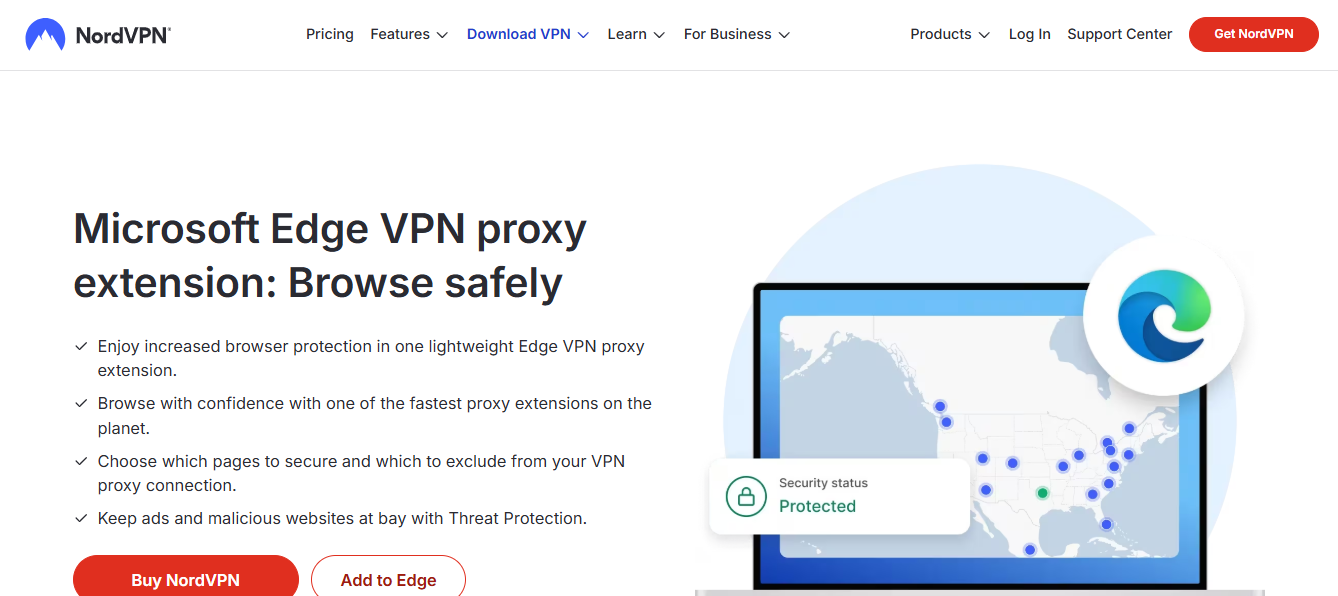
Step 2: Install the Edge extension
- Open Edge, go to the provider’s site or Edge Add-ons store.
- Click “Add to Edge” or “Install extension” and confirm permissions.
- Pin the extension to the toolbar for quick access.
Step 3: Sign in and configure basic settings
- Open the extension and log in with your VPN account.
- Enable features like auto-start, auto-connect on startup, and a kill switch if available.
- Choose a default protocol if the option is exposed WireGuard, OpenVPN, or IKEv2/New.
- Enable DNS leak protection if offered.
Step 4: Pick a server and test
- Select a server close to your location for speed, or a location you need for access.
- Use a site like ipchicken.com or whatismyipaddress.com to confirm your IP changed and DNS is not leaking.
- Browse some pages to ensure performance is acceptable; if not, switch servers or adjust protocol.
Step 5: Verify Edge-specific settings
- Ensure Edge isn’t bypassing the VPN via any proxy settings.
- In Edge, check Settings > Privacy, search, and services to ensure there’s no conflicting DNS or proxy config.
- Confirm that WebRTC is not leaking your real IP: many VPN extensions don’t disable WebRTC by default, so consider a browser setting or extension that blocks WebRTC leaks if you’re concerned.
Step 6: Optional housekeeping
- Enable Edge’s “Clear data on exit” feature to minimize traces.
- Regularly update Edge and the VPN extension to stay protected against new vulnerabilities.
- Test connection after updates to confirm uptime and privacy protections.
Step-by-step: set up VPN system-wide on Windows covering Edge and everything else
Step 1: Choose a VPN with a strong Windows client
- Ensure the client supports Windows 10/11, has a kill switch, DNS protection, and automatic startup options.
Step 2: Install the Windows VPN client
- Download the official Windows app from the VPN provider.
- Run the installer and follow prompts to grant permissions.
Step 3: Configure core protections
- Enable the kill switch to block traffic if the VPN drops.
- Turn on DNS leak protection to ensure requests go through the VPN’s DNS servers.
- Enable auto-connect on startup or when you connect to unsecured Wi‑Fi.
Step 4: Establish a system-wide VPN connection
- Open the VPN app.
- Choose a server location and click Connect.
- Confirm in the system tray that the VPN is connected you’ll usually see a VPN icon or app badge.
Step 5: Verify system-wide protection
- Visit whatismyipaddress.com to confirm your public IP reflects the VPN server.
- Check for DNS leaks using dnsleaktest.com.
- Run a quick speed test to ensure the VPN isn’t throttling too much.
Step 6: Edge-specific checks after system-wide setup
- Open Edge and verify it’s using the VPN by rechecking IP and DNS after launching a few sites.
- If any site bypasses the VPN, re-check Windows network adapters to ensure there’s no split tunneling enabled that excludes Edge.
- Adjust firewall rules if your VPN includes a stricter mode that could block Edge traffic under some conditions.
Advanced tips: optimizing speed, privacy, and reliability
Use split tunneling strategically
- Some VPNs allow you to route only certain apps or domains through the VPN.
- For general browsing on Edge, you might route only sensitive traffic through the VPN and allow non-sensitive traffic direct connections to save speed.
Choose the right protocol for your needs
- WireGuard generally offers faster speeds and strong security.
- OpenVPN is very compatible and robust but can be slower on some connections.
- IKEv2 is good for mobile devices or transitions between networks.
DNS and WebRTC considerations
- Always enable DNS leak protection in both the browser extension and system client.
- If you’re concerned about WebRTC leaks, disable WebRTC in Edge or use an extension that blocks WebRTC, especially when the VPN is off.
Security hygiene
- Use strong, unique passwords for your VPN accounts.
- Turn on two-factor authentication if your provider supports it.
- Regularly review device access and session histories in your VPN account.
Privacy layer beyond VPN
- Consider enabling a privacy-focused search engine or browser privacy features in Edge.
- Use browser blocking extensions for trackers and ads while staying aware that some sites require certain scripts for functionality.
Troubleshooting common issues
- VPN not connecting: restart app, check internet connectivity, switch servers, or try a different protocol.
- Slow speeds: switch servers closer to your location, try a faster protocol, or disconnect other bandwidth-heavy apps.
- WebRTC leaks: disable WebRTC in Edge or use a firewall rule to block it, and confirm DNS protection is on.
- Edge not routing through VPN: check for proxy settings in Edge and Windows, ensure the VPN isn’t using split tunneling that excludes Edge, and re-check the kill switch settings.
Security best practices for Edge users
- Regularly update Edge and all extensions to patch security flaws.
- Use strong, unique credentials for VPN and Edge-related services.
- Avoid logging into sensitive accounts on public Wi-Fi without a VPN.
- Periodically test your setup with privacy tests and DNS leak tests.
Comparison: browser extension vs system-wide VPN quick reference
- Coverage: Browser extension covers Edge browser only; system-wide covers all apps.
- Setup complexity: Extensions are simpler; system-wide may require more configuration.
- Privacy control: System-wide provides broader protection; extensions may miss non-browser traffic.
- Speed impact: Both can affect speed; usually similar, but server choice matters more.
Real-world use cases and scenarios
- Student on campus: Use Edge extension to access blocked course materials and still protect personal data.
- Remote worker: System-wide VPN ensures corporate resources and email stay secure across all apps.
- Traveler on public Wi-Fi: Always-on VPN with kill switch protects sensitive info on Edge and other apps.
Quick-start cheat sheet
- Step 1: Pick a trusted VPN with Edge extension and system-wide client.
- Step 2: Install Edge extension, sign in, enable auto-connect and kill switch.
- Step 3: Install Windows VPN client, enable DNS leak protection, and set auto-connect.
- Step 4: Connect to a nearby server, test IP and DNS, and adjust settings as needed.
- Step 5: Verify Edge traffic routes through VPN and run speed tests.
- Step 6: Regularly update software and review privacy settings.
Troubleshooting quick guide if things go wrong
- VPN won’t connect: switch servers, try another protocol, reboot device.
- Slow browsing: move to a closer server, disable background apps, test with and without VPN.
- Edge pages not loading: check for conflicting proxy settings or broken VPN DNS settings.
- DNS leaks detected: re-enable DNS protection, flush DNS cache, and verify server DNS.
Maintenance and updates you’ll appreciate
- Keep extensions and Windows VPN client up to date.
- Periodically audit app permissions and review security settings.
- Re-run DNS leak tests after major updates or network changes.
Practical testing steps you can perform today
- Test 1: IP check before and after connecting to VPN.
- Test 2: DNS leak test while VPN is on.
- Test 3: WebRTC leak test in Edge.
- Test 4: Speed test on VPN server with Edge browsing.
Ethical and legal considerations
- Always use a VPN within the bounds of your local laws and service terms.
- Avoid illegal activities; privacy tools are for protecting personal data, not for wrongdoing.
FAQ Section
Frequently Asked Questions
What is the difference between a VPN extension and a system-wide VPN?
A browser extension routes traffic from the Edge browser through the VPN, while a system-wide VPN routes traffic from the entire device, including Edge, and other apps.
Can I use a VPN on Edge for streaming?
Yes, many VPNs work with streaming sites; however, streaming availability depends on the service, server location, and VPN provider’s policy.
Will a VPN slow down my internet connection?
Sometimes, yes. Speed depends on server distance, server load, and the VPN protocol used. Switching servers or protocols often helps.
How do I test if my VPN is working correctly in Edge?
Check your IP address and DNS location on whatismyipaddress.com, run a DNS leak test on dnsleaktest.com, and verify WebRTC is not leaking your IP. Vpn gratis per pc: the ultimate guide to free and paid VPNs for Windows, tips, risks, and best practices 2026
Is it better to use Edge extensions or system-wide VPN?
If you only need protection while browsing Edge, a browser extension is simpler. For full-device protection, use a system-wide VPN.
Can I use split tunneling with Edge?
Some VPNs support split tunneling. This lets you choose which apps traffic goes through the VPN. Use it to balance speed and privacy.
How do I prevent WebRTC leaks in Edge?
Disable WebRTC in Edge or use a privacy extension that blocks WebRTC, especially when the VPN is off or not trusted.
What should I do if Edge won’t connect to the VPN?
Check VPN status, ensure the VPN client is up to date, verify DNS and proxy settings, and try a different server or protocol.
Is there a risk of data leaks with a VPN in Edge?
If configured correctly with DNS leak protection and a kill switch, leaks are unlikely. Always test after setup and after any changes. Vpn gratis para edge free vpn veepn 2026
Can VPNs keep me anonymous online?
VPNs improve privacy by masking your IP and encrypting traffic, but complete anonymity isn’t guaranteed. Combine with good practices like using secure passwords and privacy-minded settings.
Yes, you can use a VPN on Edge via browser extensions or by routing all device traffic through a VPN app. This guide breaks down Edge-specific options, how to set up both browser-based and system-wide VPNs, performance tips, and a few real-world scenarios like streaming and public Wi‑Fi safety. You’ll get step-by-step instructions, practical comparisons, and privacy considerations so you can pick the approach that fits your needs. If you’re looking for a quick-start option, NordVPN has a solid Edge-friendly setup—check out this deal: . NordVPN is a popular pick for Edge users who want an easy extension path or a robust system-wide VPN.
Useful URLs and Resources:
- NordVPN official site - nordvpn.com
- Edge browser support - https://support.microsoft.com/en-us/microsoft-edge
- How to install Edge extensions - https://support.microsoft.com/en-us/microsoft-edge/add-extensions-to-edge
- VPN market insights - https://www.grandviewresearch.com/press-release/global-vpn-market
- Privacy & security tips - https://www.eff.org/issues/tor
Introduction: what this guide covers and why you might care
- Edge-specific VPN options: browser extensions that encrypt only Edge traffic vs. native VPN clients that encrypt all traffic on the device
- Step-by-step setup for Windows, macOS, Android, and iOS
- Performance considerations: speed, latency, and how to minimize slowdown
- Real-world use cases: streaming, public Wi‑Fi safety, and work-from-anywhere scenarios
- Privacy and security angles: logging policies, DNS leaks, WebRTC, and kill switches
- Troubleshooting common issues and misconfigurations
What does VPN on Edge mean? Edge users basically have two routes to VPN protection: Vpn edge browser: How to Use a VPN with Microsoft Edge for Privacy, Security, Streaming, and Global Access 2026
- Browser extension VPNs: These encrypt traffic for Edge requests only, perfect for browsing, banking, or streaming within Edge while keeping your device’s other apps unaffected.
- System-wide VPN apps: These route all traffic on the device through a VPN server, protecting Edge and every other app messaging, email apps, games, etc.. This approach is ideal if you want blanket privacy, geo-unblocking across apps, or secure connections on public Wi‑Fi.
Why choose one path over the other?
- Edge extensions are fast to set up, easy to toggle, and lightweight. They’re great for quick privacy boosts during browsing, but you should understand they don’t cover apps outside Edge, and some extensions may not prevent WebRTC leaks if not configured properly.
- System-wide VPNs offer stronger, global protection. They encrypt everything, including Edge traffic, email clients, and background apps. The trade-off is usually a bit more setup time and potential tiny speed hits depending on server load and routing.
Browser extensions vs. system-wide VPN: pros and cons
- Edge extensions browser-only
- Pros: Quick install, easy on bandwidth, fast to switch on/off, useful for temporary privacy in Edge
- Cons: Doesn’t cover other apps, potential for weaker privacy guarantees depending on the provider, some sites detect VPNs and block traffic
- System-wide VPNs device-wide
- Pros: Encrypts everything, easier to maintain consistent privacy across apps, better for streaming on multiple apps and securing public Wi‑Fi
- Cons: Slightly more setup, possible speed reduction, sometimes more expensive, may require device-wide trust of the VPN provider
Edge extension options to consider
- Popular choices include well-known providers that offer official Edge-compatible extensions or work through the Chromium base Edge supports. Look for:
- Security features: AES-256 encryption, kill switch, DNS leak protection
- Server variety: 60–100+ countries is a good baseline
- Logging policy: zero-logs or minimal logs
- WebRTC leak protection and IPv6 handling
Step-by-step: how to set up a VPN on Edge using a browser extension
- Step 1: Decide between Edge extension or a system VPN. If you mostly browse in Edge and want a quick shield, extension is fine. If you’re heavy on apps or travel, go with a system VPN.
- Step 2: For Edge extensions Chrome Web Store approach works on Edge
- Open Edge and go to Extensions, then enable “Allow extensions from other stores” if needed
- Search for a reputable VPN extension e.g., a trusted provider’s Edge extension
- Click Add to Edge, confirm permissions, and wait for installation
- Sign in to your VPN account, grant required permissions, then flip the extension’s toggle to connect
- Step 3: Test the extension
- Visit a site like "whatismyipaddress.com" to confirm your IP shows the VPN region
- Check for WebRTC leaks by visiting a dedicated test page some extensions block this automatically
- Step 4: Fine-tune settings
- Enable kill switch if offered by the extension if your extension supports it
- Ensure DNS leak protection is enabled and consider using a provider’s DNS resolver
- Step 5: Manage your servers
- Pick servers based on purpose: streaming in the US/UK, privacy in other regions, or speed-test favored servers
- Step 6: Additional Edge privacy adjustments
- Disable unnecessary Edge features that might reveal your identity, such as contact syncing if you’re privacy-conscious
- Review Edge privacy settings: block third-party cookies, clear site data on close, and enable Do Not Track when appropriate
Step-by-step: how to set up a system-wide VPN Windows/macOS Unifi edgerouter-x vpn setup guide for secure remote access, site-to-site VPN, and performance tips 2026
- Windows Windows 10/11
- Open Settings > Network & Internet > VPN > Add a VPN connection
- VPN provider: Windows built-in or your chosen provider if they provide a custom app
- Connection name: something memorable
- Server name or address: get this from your VPN provider
- VPN type: usually PPTP, L2TP/IPsec, or OpenVPN variant. select the recommended one from your provider
- Sign-in info: username/password or certificate
- Save and connect. Edge will follow the system’s tunnel automatically
- macOS
- Open System Preferences > Network > + > VPN
- Choose VPN type and enter server address, remote ID, and local ID as provided
- Authentication: password, certificate, or both
- Apply and connect. confirm the VPN shows as connected in the menu bar
- Android
- Settings > Network & Internet > VPN > Add VPN
- Enter the same server address and credentials from your VPN provider
- Save and connect. you’ll see a VPN badge in the status bar
- iOS
- Settings > General > VPN > Add VPN Configuration
- Choose type, enter server details and credentials
- Connect via the VPN toggle in the Control Center
Do you need both? Real-world use cases
- Safe browsing on public Wi‑Fi
- A system-wide VPN is often best because it protects all traffic, including apps you don’t actively think about
- Quick privacy checks and light edge browsing
- Browser extensions can be enough for casual browsing and checking sensitive sites while you’re on the move
- Streaming or gaming
- System-wide VPNs tend to offer more reliable performance for streaming or online gaming, as they protect all network traffic and can prevent DNS leaks on non-browser apps
Performance: what to expect and how to optimize
- Real-world speeds vary widely by provider and server load. Plan on a 5–20% speed loss on average when connected to a VPN, with occasional spikes higher on crowded servers.
- Server location matters
- Proximity usually means lower latency. if you’re streaming or gaming, pick a server in the same region or nearby
- Protocol and encryption
- Modern VPNs use WireGuard or OpenVPN with strong ciphers. WireGuard generally delivers faster speeds with lower latency on supported devices
- Kill switch and DNS leaks
- A reliable kill switch can protect you if the VPN connection drops. DNS leak protection prevents your real DNS from leaking when the VPN isn’t fully protecting all traffic
- WebRTC leaks
- Some extensions or browsers allow you to disable WebRTC or use a VPN with WebRTC protection to prevent IP leaks via WebRTC
Security and privacy considerations when using VPN on Edge
- Logging policies
- Look for a provider with a clear no-logs policy and independent audits if possible
- Jurisdiction
- Consider where the provider is based. some countries require data retention or give law enforcement access
- Kill switch and device-level protections
- Ensure your chosen setup has a robust kill switch and DNS leak protection
- Edge-specific concerns
- Browser extensions can sometimes introduce privacy trade-offs permissions, data collection. only install extensions from reputable providers and review permissions
Common pitfalls and how to avoid them
- Believing a browser extension is enough for all browsing privacy
- Browser extensions secure Edge traffic only. other apps remain exposed
- Ignoring DNS leaks or WebRTC leaks
- Ensure DNS leak protection is on and consider disabling WebRTC in Edge if your provider doesn’t handle it
- Choosing a VPN solely on price
- Price is important, but performance, privacy policy, server count, and support quality are equally important
- Not testing before critical tasks
- Do a quick test run before streaming, banking, or sensitive work to confirm your IP and DNS are properly masked
Privacy, policy, and trust: what to check in a VPN for Edge Unifi edge router vpn setup guide for site-to-site and remote access on UniFi EdgeRouter and security best practices 2026
- Data retention and logging
- Jurisdiction and law enforcement cooperation
- Independent audits or third-party reviews
- Finally, user reviews and transparency reports
Edge-specific tips for a smoother experience
- Use the Edge-specific path when you want quick privacy for browsing. switch to a system VPN when you’re doing more intensive online work
- Regularly review extension permissions. revoke access you don’t need
- Keep Edge updated to ensure compatibility with extensions and security patches
- If you’re in a restrictive country or on a campus network, consider obfuscated servers to bypass blocks where permitted
Data-backed insights to guide your choice
- Global VPN market growth: the market has continued to grow, driven by privacy concerns, remote work, and rising cyber threats
- In 2024, consumer VPN usage rose as more people started protecting home networks and streaming services against geo-blocks
- Adoption of browser-based privacy tools has increased as users seek quick privacy wins without committing to a desktop app
Real-world scenarios: Edge, privacy, and everyday life
- Student or remote worker on a campus network
- A browser extension is quick to protect Edge while you browse on the campus network
- Frequent travelers using public Wi‑Fi
- A system-wide VPN ensures all apps and services remain private, not just Edge
- Streaming from boards/ID verification sites
- A mix of Edge extension for casual checks and a system-wide VPN for accounts and streaming can balance speed and privacy
Technical appendix: DNS, IPv6, and WebRTC notes
- Disable IPv6 if your VPN provider struggles with IPv6 handling some tunnels don’t cover IPv6 properly
- Use DNS leak protection and consider provider DNS resolvers to reduce leak risk
- WebRTC can reveal your real IP. disable or mitigate via Edge settings or VPN features
Frequently Asked Questions Vpn for edge browser: the ultimate guide to choosing, installing, and using a vpn with Microsoft Edge in 2026
Can I use a VPN on Edge with a free extension?
Free extensions exist, but they often come with limitations on server options, privacy policies, and may display ads. For consistent security and privacy, a reputable paid option is usually worth it.
Is it possible to run a VPN on Edge without installing anything?
Yes, you can use a browser extension to encrypt only Edge traffic. For full device protection, you’ll want a system-wide VPN app.
Will a VPN slow down my connection?
Usually yes, due to encryption and routing via a VPN server. The slowdown depends on server distance, provider performance, and protocol. Modern VPNs with WireGuard tend to minimize the impact.
Can I still access streaming services with a VPN on Edge?
Often yes, but some services actively block VPN IPs. Choose server locations known to work for streaming and use a reputable provider that specializes in bypassing geo-blocks.
Does a browser extension hide all my online activity?
No. It protects Edge browser traffic, but other apps and OS-level traffic can still be exposed if you don’t use a system-wide VPN. Vpn for edge reddit: How to Use a VPN on Microsoft Edge to Access Reddit Safely, Privately, and Fast 2026
How do I test if my VPN is leak-free?
Run a DNS leak test and an IP check while connected to the VPN. Tools like "ipleak.net" or "dnsleaktest.com" can help confirm you’re using the VPN’s DNS and IP.
Is WebRTC a risk with VPNs on Edge?
WebRTC can leak your IP even when a VPN is on. Disable WebRTC in Edge or use a VPN that blocks WebRTC leaks.
Can I use a VPN on Edge for gaming?
Yes, but gaming is highly sensitive to latency. A nearby server with WireGuard support generally yields the best performance.
Should I use a browser extension or a system VPN for Edge if I’m traveling?
If you’re primarily browsing and occasionally streaming, a browser extension might suffice. For full-device security on the go, a system VPN is safer.
How do I choose between Edge extension and system VPN?
If you need broad protection across apps and background services, and you’re concerned about privacy leaks outside Edge, go system VPN. If you mainly want quicker privacy while browsing Edge, start with an extension. Vpn similar to ultrasurf: best bypass VPNs, features to look for, setup, and safety tips for 2026
Additional resources and next steps
- Review current VPN providers’ Edge-compatible offerings and read independent audits
- Verify server density and streaming capabilities for your favorite services
- Keep your Edge browser and extensions up to date
- Consider a privacy-first approach for daily online activity, combining browser-level protections with a strong system-wide VPN
Note: This guide aims to provide practical, actionable steps for using VPN on Edge. Always comply with local laws and terms of service when using VPNs, and prioritize privacy practices that protect your personal data.
Vpn下载与安装完整教程:如何选择、下载、配置和使用VPN